Portuguese
  Spanish


Archaeological survey in the Bay of Algeciras identified 134 shipwrecks and over 150 submerged sites, revealing how Gibraltar accumulated trade, war, espionage, and maritime risks for centuries, while Hormuz concentrates current tensions in the global scenario
While the Strait of Hormuz concentrates today’s main global tensions, the Strait of Gibraltar reveals, at the bottom of the Bay of Algeciras, 134 shipwrecks that show centuries of trade, war, and maritime dispute.
Strait of Gibraltar goes beyond a mere passage route
Fishermen from southern Spain have commented for decades that their nets would get caught in very specific spots, as if invisible obstacles were hidden underwater.
What seemed like just rock gained another dimension with the use of sonar and systematic studies. The research showed traces of a past more intense than the surface indicated.
-
European Parliament Approves Digital Euro, Aiming to Challenge Visa and Mastercard’s Dominance and Transform Payments Across Europe by 2029

-
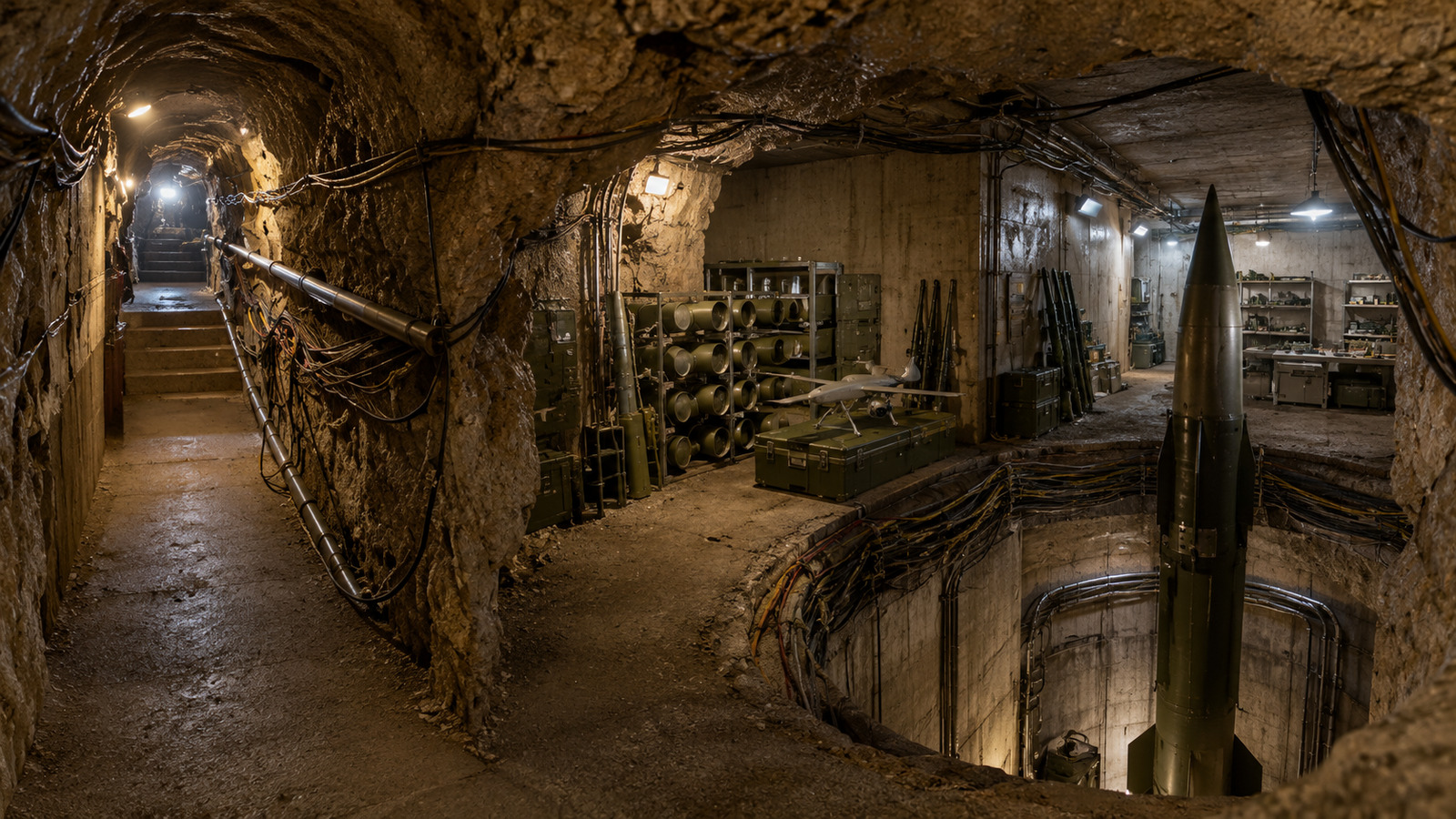
Israel finds Hezbollah militarized tunnel over 200 meters long under village, with 4 missile launch shafts, 12 chambers, anti-tank missiles, drones, and weapons depots at a depth of 25 meters.

-
Ukraine launches largest drone attack on Moscow since 2022, Russia claims to have intercepted nearly 200 aircraft near the capital, Kapotnya refinery targeted again, and offensive reignites alert about war reaching the Russian energy heart just a few kilometers from the Kremlin.

-
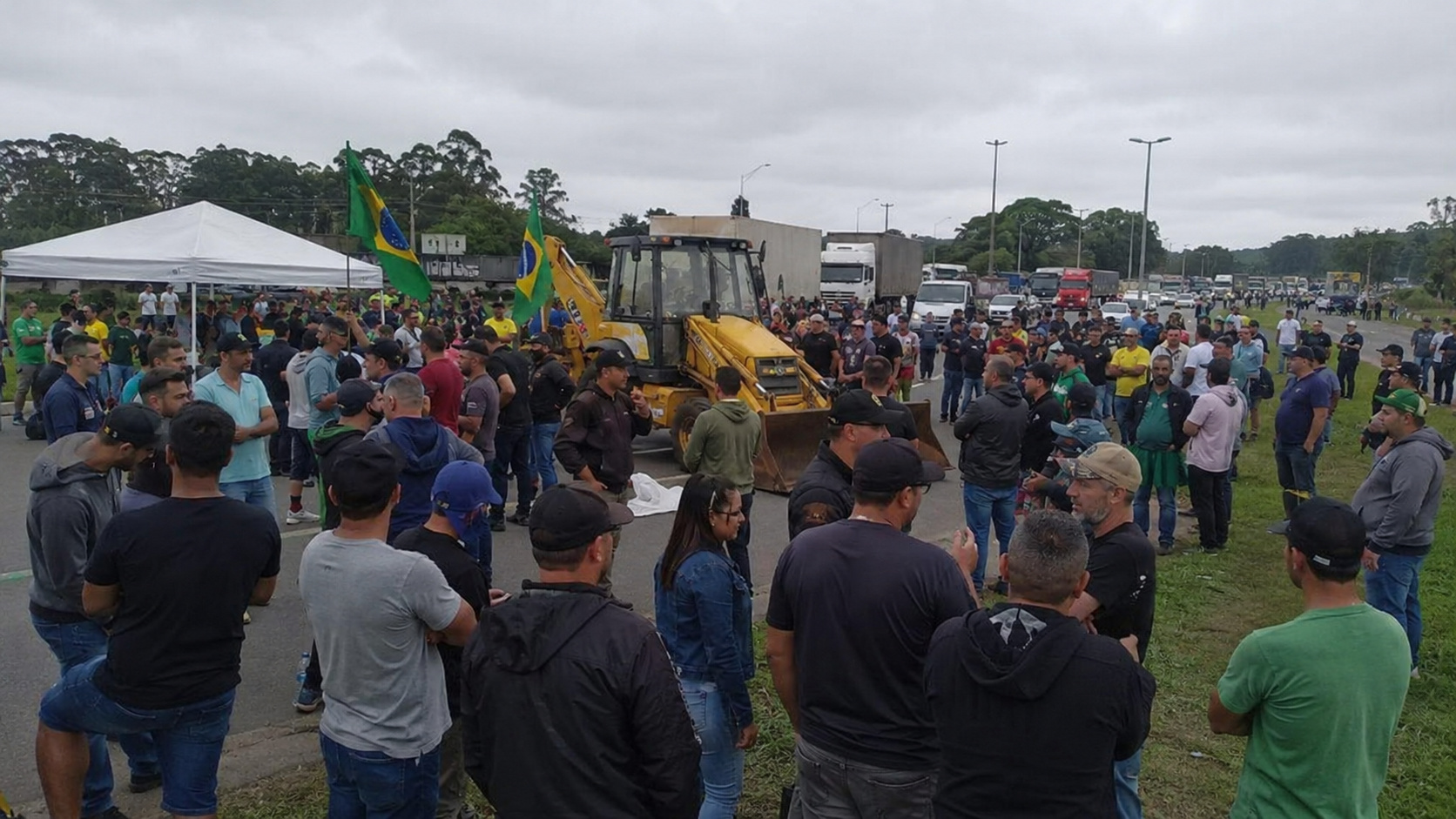
Truck drivers, freight, and fines from 2022 take center stage in politics: Chamber approves MP with amnesty, mandatory tracking by CIOT, million-dollar penalties, and new minimum wage for those who spend more than 24 hours on the road.


The comparison with the Strait of Hormuz helps measure the strategic weight of the case. Hormuz currently gathers the main global tensions, but Gibraltar has accumulated, for centuries, trade, war, and geopolitics in the same corridor.
All ships entering or leaving the Mediterranean pass through there. This condition transformed the area into a natural funnel, where interests, risks, accidents, naval conflicts, and military operations have recurred throughout history.

Bay of Algeciras concentrates 134 cataloged shipwrecks
The Bay of Algeciras, off the coast of Cádiz, had 134 shipwrecks and vessel remains documented by archaeologists from the University of Cádiz and the University of Granada.
The survey was completed as part of Project Herakles, which cataloged the vast extent of this submerged archaeological paradise. Within a few kilometers, over 150 archaeological sites were identified.
The findings include at least 134 shipwrecks dating from the 5th century BC to World War II. The concentration is explained by the area’s role as a kind of mandatory waiting port.
For centuries, ships stopped there before crossing the strait. The wait increased the chance of accidents, collisions, and attacks, especially in a passage marked by intense traffic and strategic value.
Strait of Gibraltar: Civilizations crossed the same maritime corridor
The strength of the discovery also lies in the variety of remains found. Punic, Roman, medieval, and modern materials appear on the seabed alongside Spanish, British, Dutch, and Venetian vessels.
This collection shows that the Strait of Gibraltar did not function merely as a trade route. It was a point of convergence for empires, exploration routes, and conflicts that accumulated over generations.
Each shipwreck represents a part of this history. There are everything from ships linked to the transport of goods to warships designed for rapid attacks in a practically unavoidable passage area.
War and espionage left marks on the seabed
Part of the discoveries shows how the region functioned as a constant battlefield. Among the findings are 18th-century gunboats prepared to launch surprise attacks against larger ships.
There are also traces of World War II operations. Small vessels could camouflage themselves as fishing boats before attacking, using ingenious solutions to confront superior rivals.
This logic reveals that the strait already gathered tactics of risk, espionage, and asymmetric confrontation long before current tensions in maritime chokepoints dominated international debate.
Underwater archive faces growing threat
For decades, only a few traces were known in the area. The change came with new techniques, such as sonar and magnetometers, capable of revealing a much broader underwater archive.
Currents and sediments also began to expose materials hidden for centuries. The same natural process that helps reveal the findings can accelerate their loss before they are studied.
Maritime traffic and industrial activity amplify this threat. Off the coast of Cádiz, the Strait of Gibraltar preserves physical evidence of forced trade, repeated conflicts, and errors at a global strategic point.
With information from Xataka.