






 Portuguese
  Spanish



Itaipu Announces The Implementation of Floating Solar Plant in Paraguay. The Innovative Project Reinforces The Integration Between Solar And Hydroelectric Energy!
The Itaipu Binacional took a significant step in diversifying its energy matrix by authorizing the implementation of a floating solar plant in its reservoir. The project, signed last Thursday (13) by the company’s directors-general, Enio Verri (Brazil) and Justo Zacarias Irún (Paraguay), aims to evaluate the potential of solar energy integrated with hydroelectric generation.
Details of The Floating Solar Plant
The solar plant will be installed on the Paraguayan side of the Itaipu reservoir, covering an area between 7,000 and 10,000 square meters.
With approximately 2,000 photovoltaic panels, the structure will have a generation capacity of 1 MWp (Megawatt-peak), enough to supply about 650 homes.
-
Brazilian scientists are simultaneously advancing two research projects on clean hydrogen and driving solutions that could transform the energy matrix, enhance industrial competitiveness, and accelerate large-scale emission reduction targets.

-
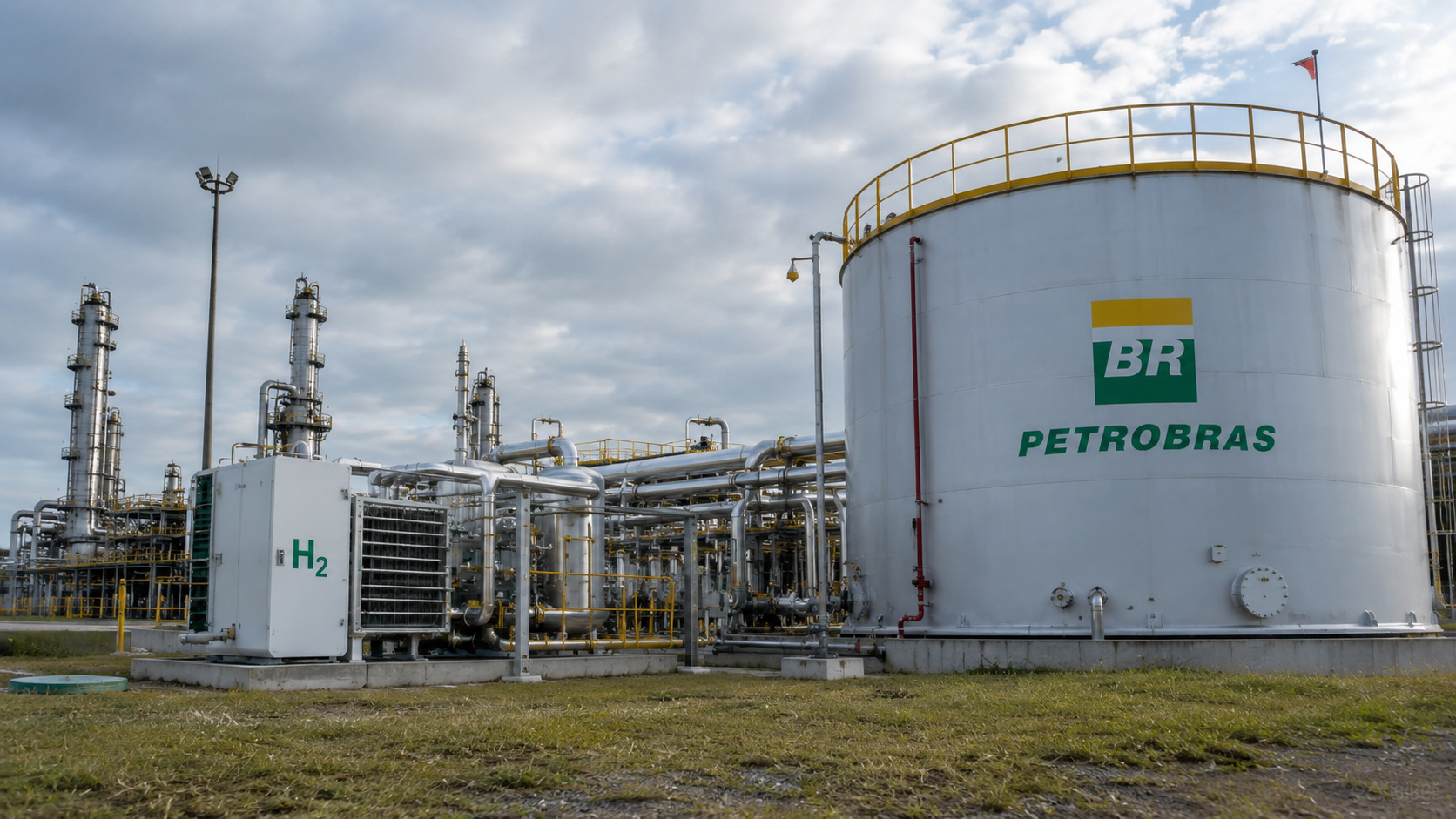
Advancement in renewable energy: A R$ 150 million project launched by Petrobras and Finep aims to create state-of-the-art electrolyzers for green hydrogen, strengthening national research and preparing Brazil to compete in a billion-dollar energy market.
-
Solar energy can increase property value by up to 10% and become a selling point.
-
Illiterate or semi-literate grandmothers were trained to repair solar systems, open rural workshops, and light up homes that still depended on kerosene.



The project will be completed in 150 days, followed by an additional 180 days of technical assistance, training, and monitoring.
The total investment in the solar plant will be US$ 854,500, funded by a consortium formed by the companies Sunlution (Brazil) and Luxacril (Paraguay).
The winning proposal from the bidding process presented a discount of 11.72% compared to the initially projected amount, reinforcing the economic viability of the initiative.
Hydroelectric And Solar Integration: A Sustainable Solution
Itaipu’s initiative brings significant advantages by utilizing existing spaces, avoiding deforestation and occupation of new land areas.
Furthermore, installing solar panels over the water surface helps reduce evaporation, maintain the quality of the aquatic ecosystem, and decrease algae proliferation.
According to Enio Verri, the adoption of this technology is part of the energy transition, aiming to maximize the use of existing infrastructures.
“Brazil is the world’s largest producer of hydroelectric energy, and now we are integrating this structure with solar generation. Soon, this technology may be available for all of society,” said the Brazilian director-general of Itaipu.
The monitoring of environmental impacts will be one of the project’s focuses, as highlighted by engineer Márcio Massakiti from Itaipu’s Brazilian advisory team.
“We know that the floating solar plant can contribute to the preservation of water resources and reduce carbon emissions. Now, we will have concrete data to validate these benefits and support future expansions,” he explained.
Prospects for The Expansion of Floating Solar Energy
Studies indicate that using just 10% of the surface of the Itaipu reservoir could generate up to 14,000 MWp, which is equivalent to the total capacity of the hydroelectric plant.
This paves the way for the expansion of floating solar energy, transforming the region into a hub of innovation in the electric sector.
The Itaipu project could become a model for other hydroelectric plants in Latin America, encouraging the integration of different renewable sources.
Additionally, by optimizing the existing infrastructure, the initiative contributes to reducing environmental impacts and strengthening the region’s energy security.
With the growing demand for clean energy and the need to reduce carbon emissions, projects like this reinforce Itaipu’s role as a leader in sustainability and innovation.
If successful, this hybrid model of electrical generation could revolutionize the energy sector, consolidating the integration of hydroelectric and solar energy as a viable solution for the future.





Be the first to react!