Portuguese
  Spanish



Aneel Authorized Itaú to Operate UTE Itaú – Torre Jabaquara, Diesel Oil Thermoelectric Power Plant in São Paulo, Marking the Bank’s Entry as an Energy Autoproducer in the National Market
Itaú Unibanco received authorization from the National Electric Energy Agency (Aneel) to install a diesel oil thermoelectric plant with a capacity of 10 MW in São Paulo.
According to data from MegaWhat this Tuesday (21), the plant, named UTE Itaú – Torre Jabaquara, marks the bank’s entry as an energy autoproducer, reinforcing its energy security and operational autonomy strategy.
Aneel Authorization and Immediate Impact
The authorization was published in the Official Gazette. The new UTE Itaú – Torre Jabaquara will consist of five generating units powered by diesel oil and will be located in the southern zone of the São Paulo capital, near the bank’s business center.
-
USP researcher creates thesis to attract international funds for the country’s electric energy sector

-
Trafigura receives authorization from ANEEL to trade electricity in Brazil and expands its operations in the largest energy market in Latin America.
-
Mobile solar panels promised to share space with corn crops, but the 20% to 25% shade reduced production by an average of 7.7% and opened a new dispute between energy and food.
-
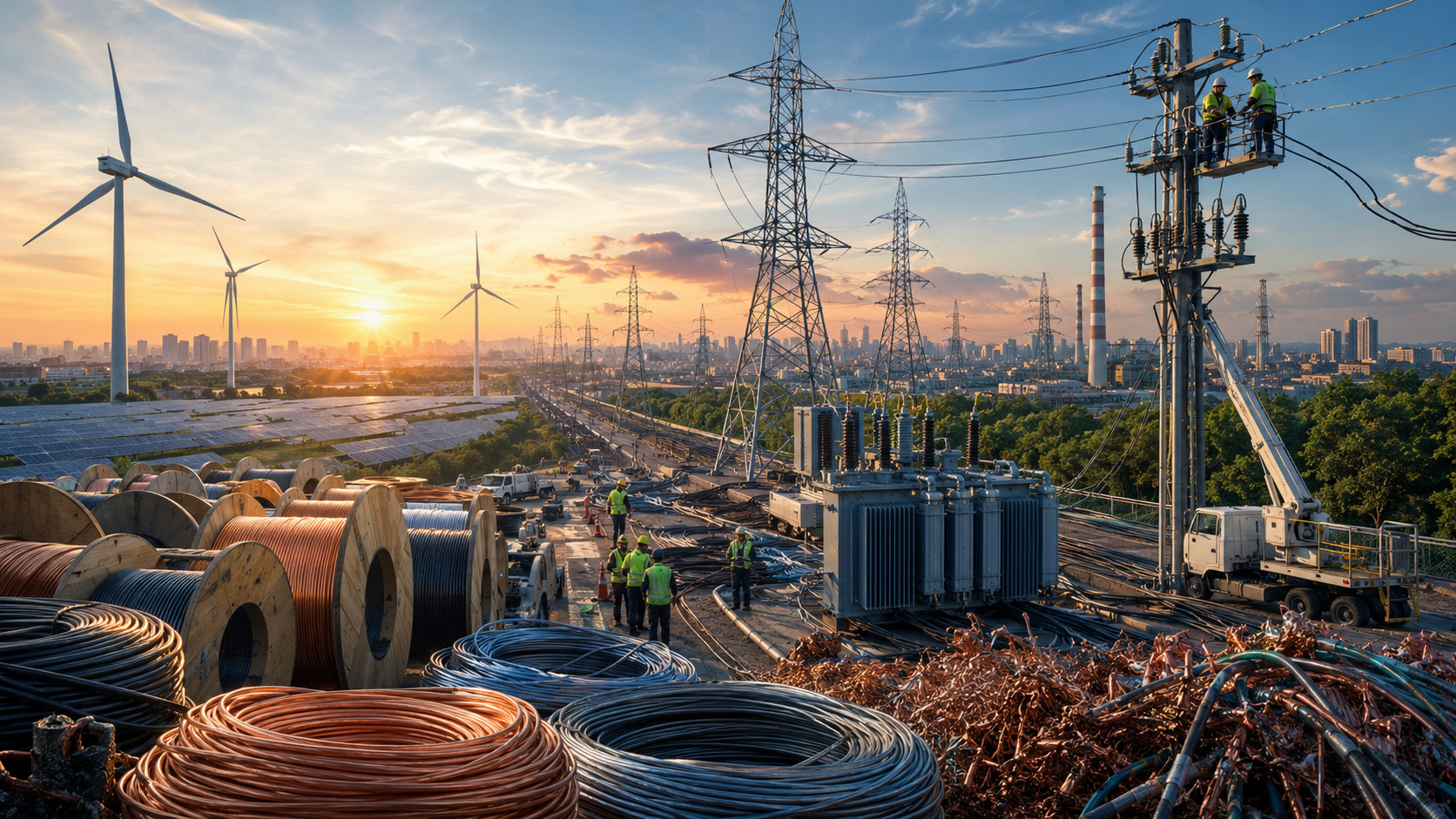
More than 80 million kilometers of wires need to be replaced by 2040: the energy transition doesn’t just depend on panels and electric cars, but on a colossal race for copper, aluminum, transformers, and recycling of old cables.


With this, Itaú becomes part of a group of companies that produce their own energy under the autoproduction system. The measure aims to ensure greater predictability in operational costs and security in energy supply for critical activities, such as data centers and banking systems.
Although Brazil has a predominantly renewable energy matrix, with highlights on hydroelectric, wind, and solar power, diesel thermoelectric plants still play a significant role during water scarcity or peak demand periods.
Technical Details of UTE Itaú – Torre Jabaquara
The plant will have an installed capacity of 10 MW, distributed across five generating units. Diesel oil was chosen as fuel for its ease of storage and rapid operational response.
The strategic location, near Itaú’s administrative center, facilitates integration with existing infrastructure. The project was developed with a focus on energy efficiency and environmental control.
The expectation is that the bank will use modern technologies to minimize environmental impact, including filtration systems and continuous air quality monitoring. UTE Itaú – Torre Jabaquara will be equipped with systems that meet Aneel’s environmental and operational requirements.
Itaú’s decision to become an energy autoproducer follows a growing trend among large Brazilian companies. Industries, agribusiness, and financial institutions have sought alternatives to reduce dependence on the public grid and ensure greater predictability in energy costs.
With the granted authorization, Itaú joins the group of major companies investing in self-generation and energy autoproduction projects — a strategy increasingly adopted by organizations seeking to reduce operational expenses, increase security in electrical supply, and minimize the impacts of potential failures in the public grid.
The main motivation is the search for efficiency, sustainability, and operational resilience. Itaú joins this movement with a robust project aligned with Aneel’s regulatory requirements.
Advantages of the Diesel Thermoelectric Plant for Itaú
Despite environmental concerns associated with the use of fossil fuels, diesel thermoelectric plants offer significant advantages for specific applications:
- High Reliability: can be activated quickly in the event of a power grid failure.
- Energy Autonomy: allow critical operations to continue even in blackout situations.
- Operational Flexibility: serve as a complement to other sources, such as solar or wind.
Itaú plans to use the plant as a backup energy source for its data centers and banking systems, ensuring service continuity in any scenario. The thermoelectric plant will serve as an energy security pillar for the bank, especially in times of instability.
Aneel requires that all thermal generation projects meet strict criteria for safety, efficiency, and environmental impact. Environmental compliance will be one of the project’s pillars, reinforcing Itaú’s commitment to sustainable practices.
Itaú Investment and Implementation Timeline
Although Itaú has not disclosed the total investment value, it is estimated that the cost of implementing a 10 MW thermal plant can range from R$ 30 million to R$ 50 million, depending on the technology used and regulatory requirements. Commercial operation will depend on obtaining licenses and connecting to the local electrical system.
Itaú’s initiative has been well received by industry experts. According to a report from MegaWhat, the authorization represents an important milestone in the diversification of the corporate energy matrix.
Additionally, the project could serve as a model for other companies seeking safer and more efficient energy solutions. The presence of a large bank like Itaú in this segment reinforces the credibility and growth potential of autoproduction in Brazil.
Future Prospects for Itaú and the Energy Sector
Aneel’s authorization for the installation of the UTE Itaú – Torre Jabaquara represents a strategic advancement in Itaú’s energy management. By becoming an autoproducer of energy, the bank reinforces its commitment to operational efficiency, sustainability, and the resilience of its services.
With modern technology, an environmental focus, and a strategic location, the diesel thermoelectric plant of Itaú has the potential to become a successful example of corporate thermal generation. The expectation is that other companies will follow suit, contributing to a more robust and diversified energy system.