





 Portuguese
  English
  Spanish
  3 min of reading
  0 comments


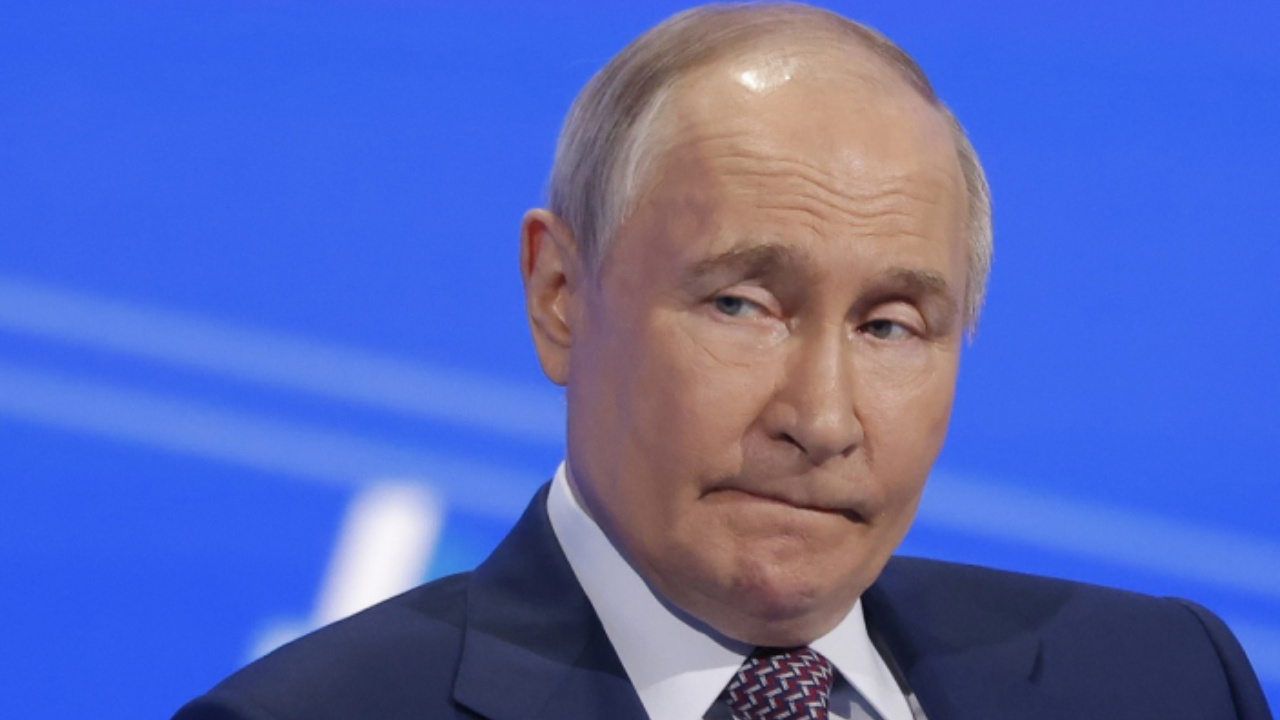
European Union Announces New Sanctions Package Against Russia Focused on Oil, Banks, and Trade, Expanding Economic Pressure on Moscow.
Oil has returned to the center of an international dispute that could change the course of the global energy market.
The European Union has presented a new sanctions package against Russia that promises to hit the country’s oil sector hard.
The measure comes amid attempts to pressure Moscow to accept negotiations while the conflict continues to affect the global economy.
-
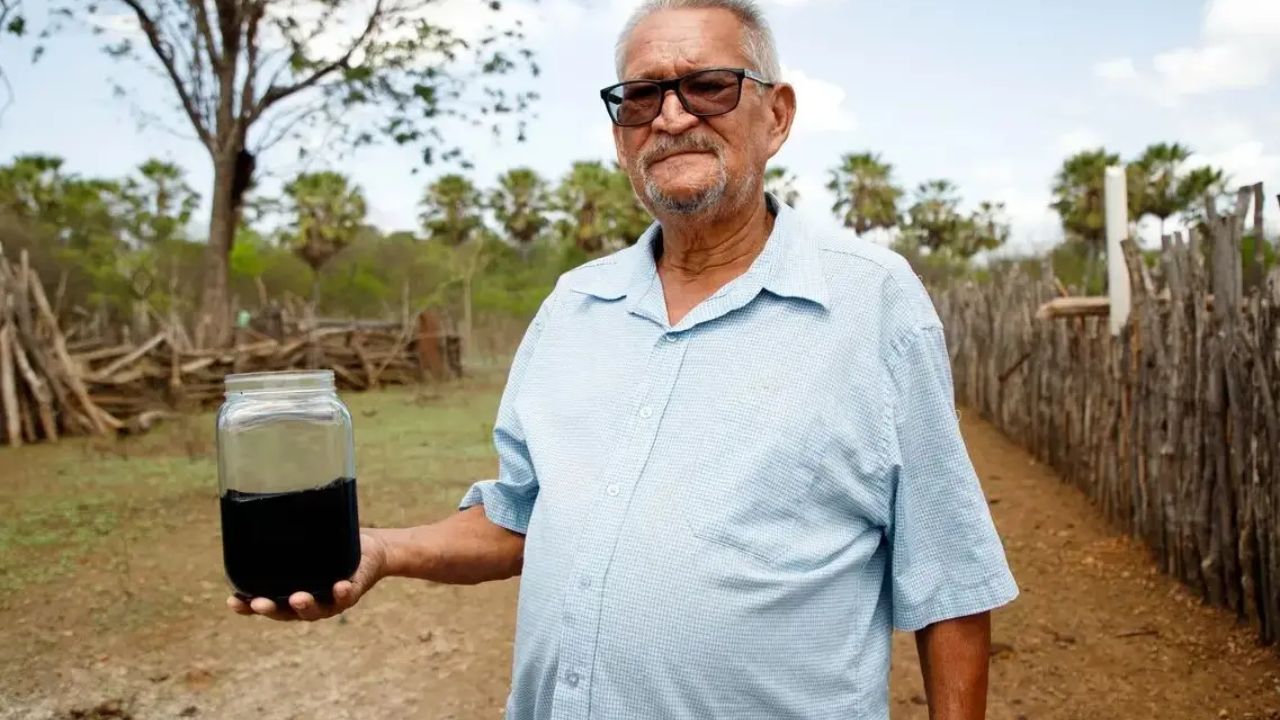
Farmer drills well in Ceará in search of water, accidentally finds crude oil and sees million-dollar discovery hindered by a rule that completely changes the future of the site.

-
Family finds oil on a 49-hectare site in Ceará, but exploration has no timeline or guarantee of happening

-
When drilling an artesian well, a farmer wanted water but found oil: ANP confirms that the dark liquid found by a farmer on a site in Ceará is crude oil.

-
European stocks rise with oil drop after Trump’s remarks on Iran as investors monitor global tension



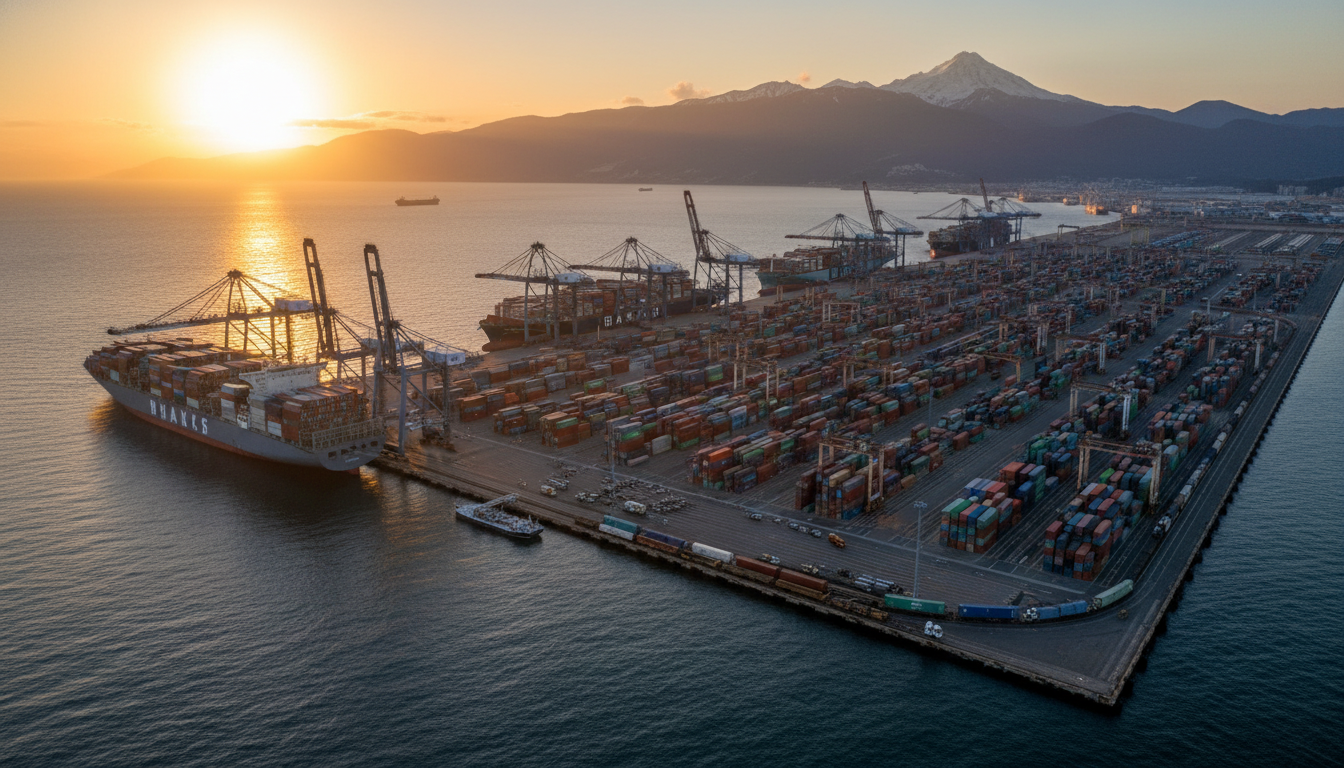
Sanctions Aim to Block Russian Oil at Sea
The President of the European Commission, Ursula von der Leyen, announced this Friday, the 6th, the proposal for the 20th sanctions package from the European Union against Russia. According to her, Moscow “will only come to the negotiating table with genuine intent if pressured.”


The most sensitive point of the new package is oil. The proposal provides for a complete ban on maritime services used for the transportation of Russian crude oil. The measure will be coordinated with G7 countries, expanding the reach of the restriction.
Additionally, the European Commission wants to add 43 more ships to the so-called “ghost fleet,” increasing the total to 640 vessels. These ships are used to bypass sanctions and continue transporting Russian oil to international buyers.
At the same time, the plan includes making it difficult to purchase tankers and imposing broad restrictions on maintenance services for liquefied natural gas ships and icebreakers, which is expected to directly affect gas export projects.
Banks and Cryptocurrencies Also Come Under Scrutiny
In addition to oil, the package targets the Russian financial system, considered the “weak spot” of the Kremlin. The proposal includes sanctions on more than 20 regional banks and actions against the use of cryptocurrencies, companies, and digital platforms that help circumvent the restrictions.
Measures are also planned against banks from third countries that participate in the illegal trade of sanctioned products, increasing international pressure on those helping Russia escape penalties.
In trade, the European Union intends to tighten the noose even further. New export bans on products such as rubber, tractors, and cybersecurity services are planned, totaling over 360 million euros.

On the import side, there will be a ban on purchases of metals, chemicals, and critical minerals that have not yet been sanctioned, totaling more than 570 million euros. There will also be limits on the import of ammonia.
Another relevant point is the activation, for the first time, of an instrument to combat sanctions evasion, banning the export of machines and equipment to countries with a high risk of re-exporting to Russia.
Russian Oil Revenue Is Already Feeling the Impact
According to Ursula von der Leyen, Russia’s tax revenues from oil and gas fell 24% in 2025, reaching the lowest level since 2020. For her, this proves that the sanctions are having an effect. “Our sanctions work,” she stated.
The European Commission reiterated that the measures will remain in place until Moscow agrees to serious negotiations for a fair and lasting peace, while the international market closely monitors the impacts on oil supply.






-

-

-

-

5 people reacted to this.