






 Portuguese
  Spanish


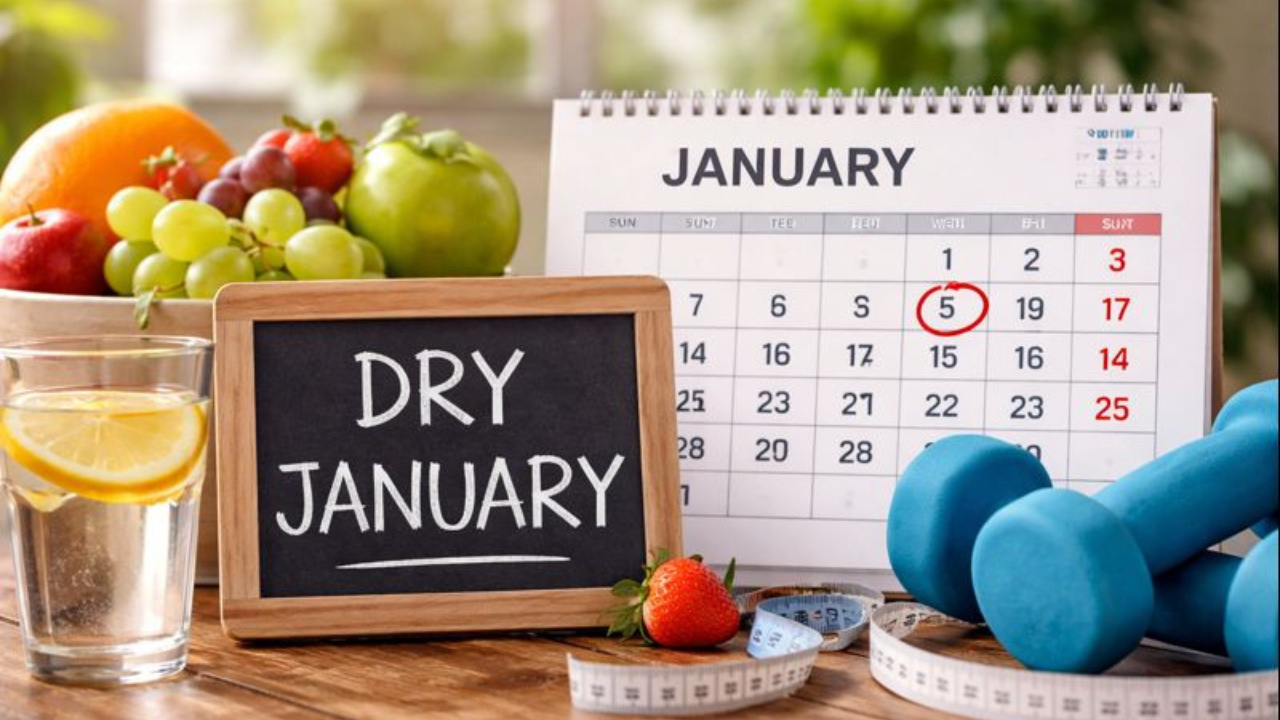

Dry January Exposes Benefits Of Abstinence, Improves Health And Explains The Decline In Alcohol Consumption Worldwide.
After the end-of-year parties, an international campaign has been gaining increasing support and attracting scientific interest.
The Dry January promotes total abstinence from alcoholic beverages throughout the entire first month of the year.
The initiative, which originated in Europe and the United States, has been adopted by millions of people as a way to reassess habits, improve health and well-being, and reduce alcohol consumption over time.
-
14-Year-Old Australian Entrepreneur Goes Viral After Y Combinator Rejection, Runs Two Startups Including an AI Company After Sock Business Failure

-
100-Year-Old Brazilian Sets World Record by Swimming 50 Meters in 1 Minute and 9 Seconds, Inspired by Tarzan Films
-
Brazil Introduces New Digital ID with Home Delivery, Linked to Unique Tax Number, Amidst Nationwide Notification Campaign.
-
World’s Stinkiest Flower: At 111 cm Wide and Up to 11 kg, It Emits a Rotten Meat Odor and Remains Hidden for Years.


But the proposal goes beyond a simple personal challenge.
Recent studies indicate that going 30 days without alcohol can bring measurable benefits of abstinence, both physical and mental, in addition to encouraging a more balanced relationship with alcohol in the following months.
Scientific Study Reinforces The Benefits of Dry January
The most robust evidence regarding Dry January was published in December in the scientific journal Alcohol and Alcoholism.
The research analyzed 16 previous studies and gathered data from over 150,000 participants who took part in Dry January in different countries.
The work was conducted by researchers from the Center for Alcohol and Addiction Studies (CAAS) and revealed that total alcohol consumption cessation for one month is associated with significant improvements in sleep quality, mood, blood pressure, and liver function.
Additionally, many participants reported weight loss, increased daily energy, and greater concentration ability.
According to Megan Strowger, the lead author of the study, the impact extends beyond the abstinence period.
“Overall, participating in Dry January allows people to take a break, reflect, and rethink their relationship with alcohol, including how it affects their social life, mental health, and physical health”, Strowger states in a press release.
Temporary Abstinence Helps Reduce Alcohol Consumption Long-Term
One of the most relevant points of the study is the lasting effect of the initiative.
The researchers observed that many people who completed Dry January began consuming less alcohol even after the challenge ended.
This phenomenon, described as “sustained moderation,” indicates that temporary abstinence can act as a behavioral turning point.
On the other hand, the survey also identified limitations.
A small group of participants was unable to complete the month without drinking and subsequently increased their alcohol consumption.
Even so, the authors advocate for the expansion of the campaign, with more inclusive messages tailored to different social profiles.
Decrease In Alcohol Consumption Reinforces Cultural Change
Scientific data aligns with a broader global trend.
In Brazil, alcohol consumption has been consistently decreasing, especially among younger people.
According to the survey Alcohol and Health of Brazilians: Overview 2025, released by CISA, 64% of the Brazilian population reported not consuming alcoholic beverages.
The progress is significant compared to 2023, when the abstainer rate was 55%.
Among young people aged 18 to 24, the proportion of people who do not drink jumped from 46% to 64% in just two years. In the age group of 25 to 34 years, the increase was from 47% to 61%.
Trend Also Repeats In The United States And Europe
The scenario is not exclusive to Brazil.
In the United States, a recent survey by Gallup showed that only 54% of adults report consuming alcohol, the lowest rate ever recorded by the company. In Europe, a survey by the British company Drinkware indicated that 26% of young people consider themselves completely abstinent.
For experts, this change reflects profound cultural transformations.
“There is much more support for a non-alcohol lifestyle nowadays”, evaluates Suzanne M. Colby, professor of behavioral and social sciences. “It’s more socially acceptable than ever to be ‘curious about sobriety’ or to not drink alcohol.”
Influencers And Mental Health Drive Dry January
In addition to physical benefits, Dry January has been associated with gains in mental and emotional health.
Digital influencers and content creators have played a central role in sharing personal experiences, reducing the stigma of abstinence, and highlighting the positive effects of sobriety in daily life.
Meanwhile, campaigns like Dry January help solidify a new social perception: drinking less or not drinking has ceased to be an exception and has become a legitimate choice linked to health and well-being.
Dry January Goes Beyond An Annual Challenge
In light of scientific evidence and the behavioral change observed in various countries, Dry January consolidates itself as more than a passing trend.
For many, it represents an invitation to reflection, self-care, and the development of healthier habits throughout the year.
Thus, the pause in alcohol consumption, even if temporary, emerges as a simple, accessible strategy increasingly supported by science for those seeking to improve their quality of life and physical and mental balance.


