Portuguese
  Spanish


Agreements for the purchase of sustainable beef and soy show the advancement of Chinese demand for traceable, certified, and deforestation-free agricultural products
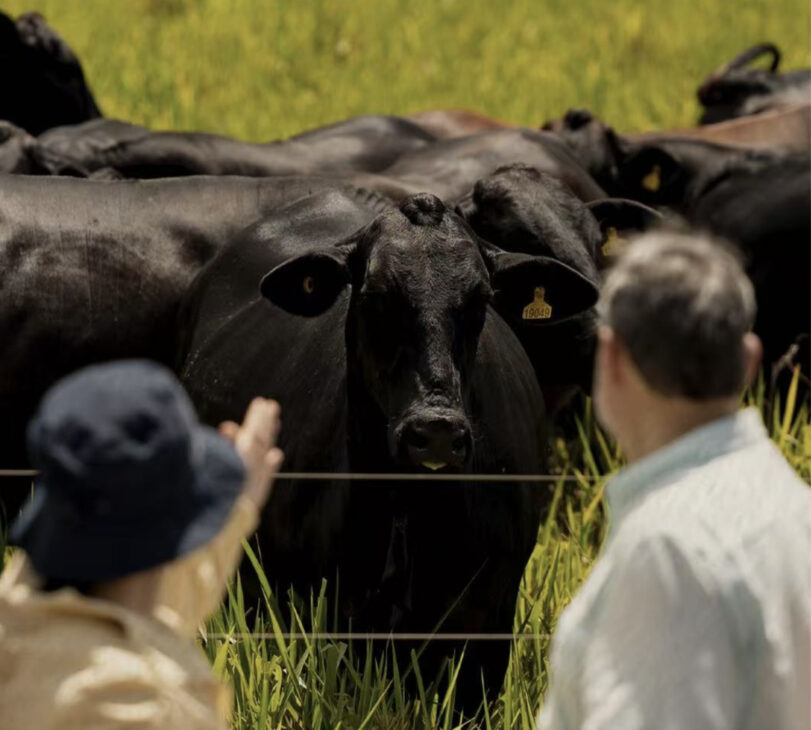
China has expanded its search for sustainable agricultural products and placed deforestation-free Brazilian beef at the center of a new phase of green consumption. The Tianjin Meat Association, in the north of the country, signed an agreement on Wednesday to import 50 thousand tons of the product by the end of 2027.
The meat will be certified by BOT, a system developed by the Institute of Forest and Agricultural Management and Certification (Imaflora). The tool ensures traceability throughout the production chain and proves the deforestation-free origin.
The purchase reinforces a significant change in the Chinese market. Consumers and companies have started to consider environmental, social, and governance criteria before closing deals. Thus, price is no longer the only determining factor for purchasing decisions.
-
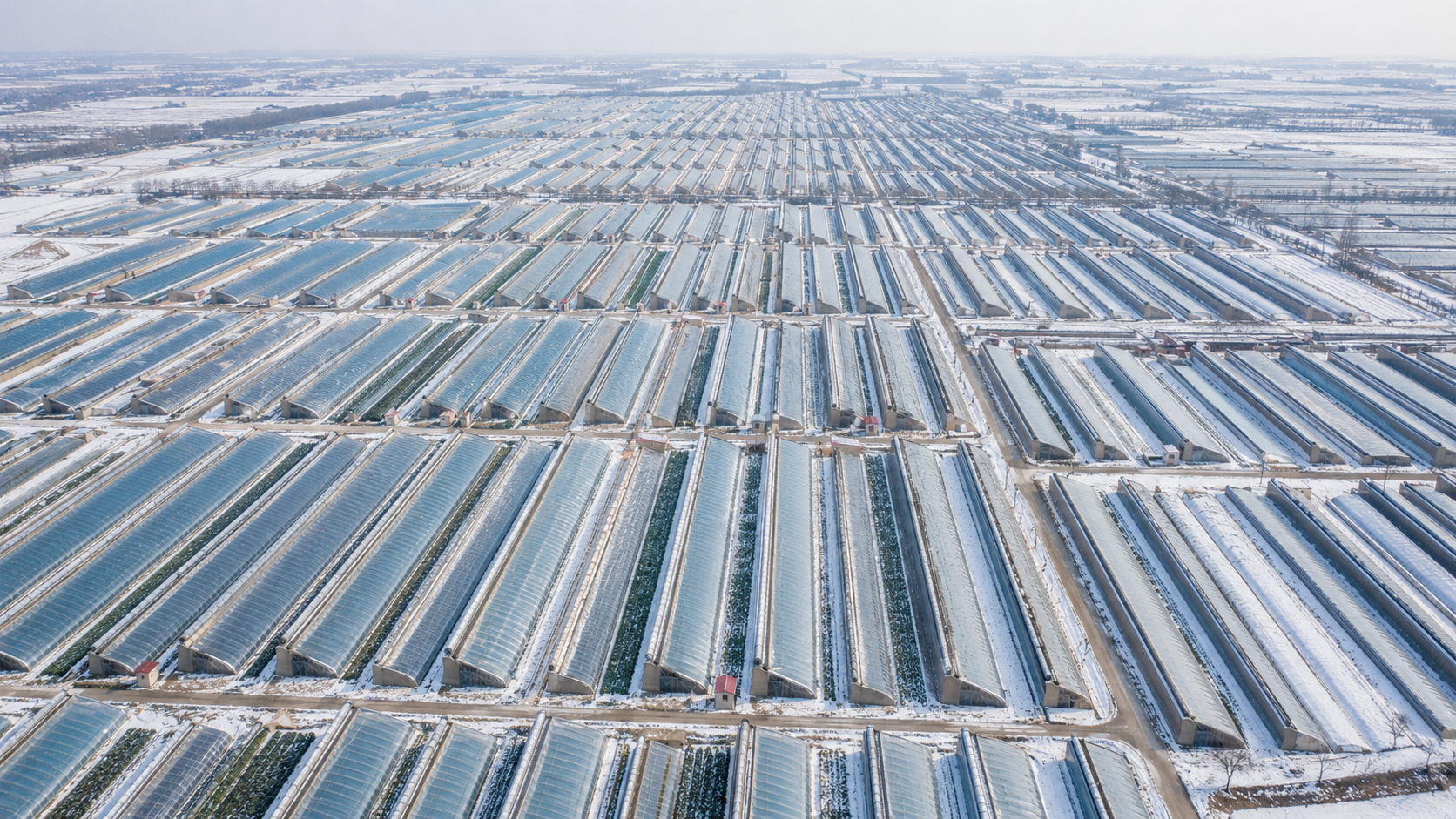
Chinese Farmers Develop “Blanket Greenhouses” to Grow Vegetables in Extreme Winter Without Heaters

-
Centuries Before Modern Greenhouses, English Gardeners Used Horse Manure to Grow Pineapples in Cold Climates

-
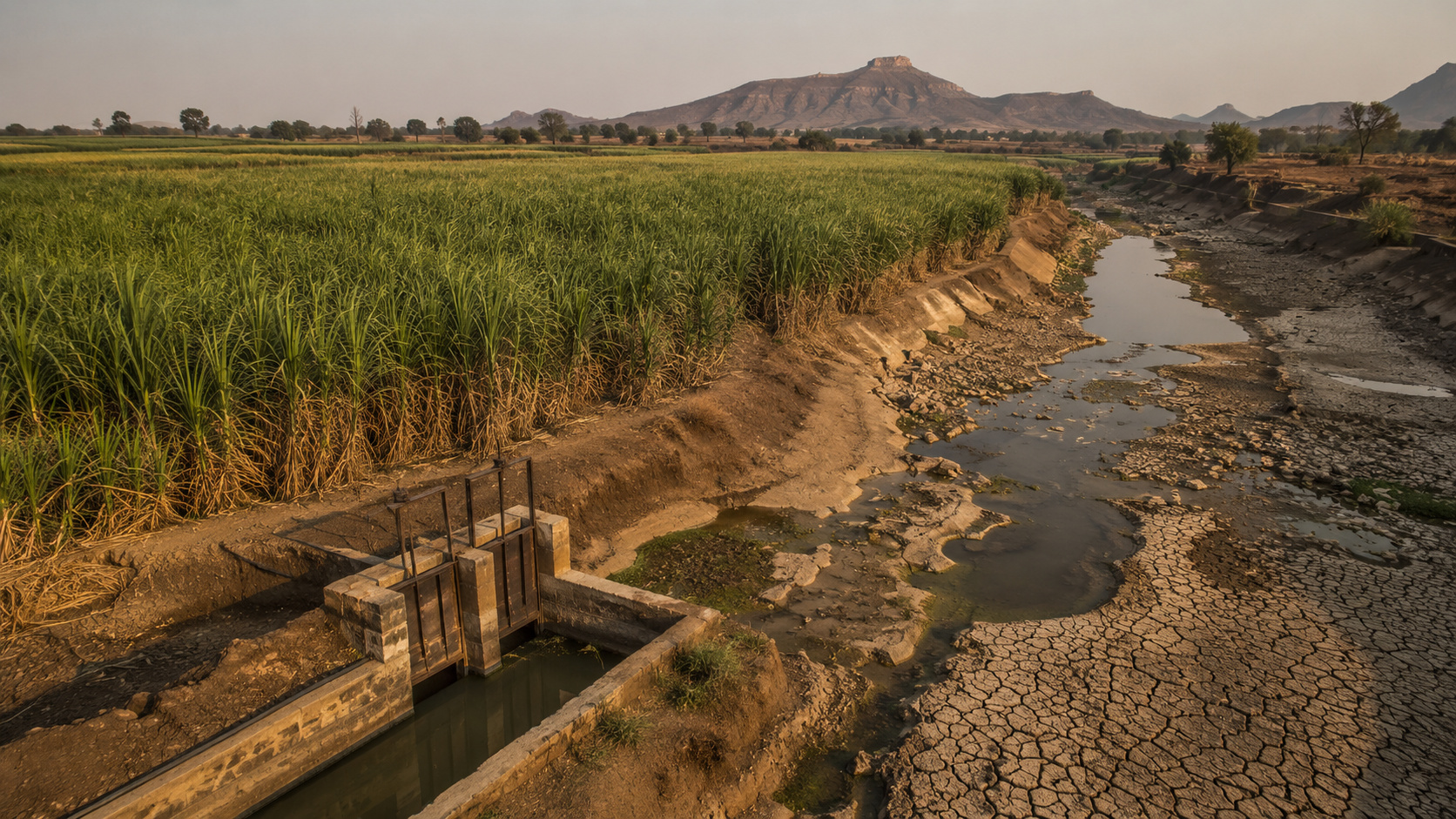
Sugarcane Cultivation in India: A Symbol of Water Stress and Environmental Strain Amidst Global Demand for Sugar and Green Fuel
-
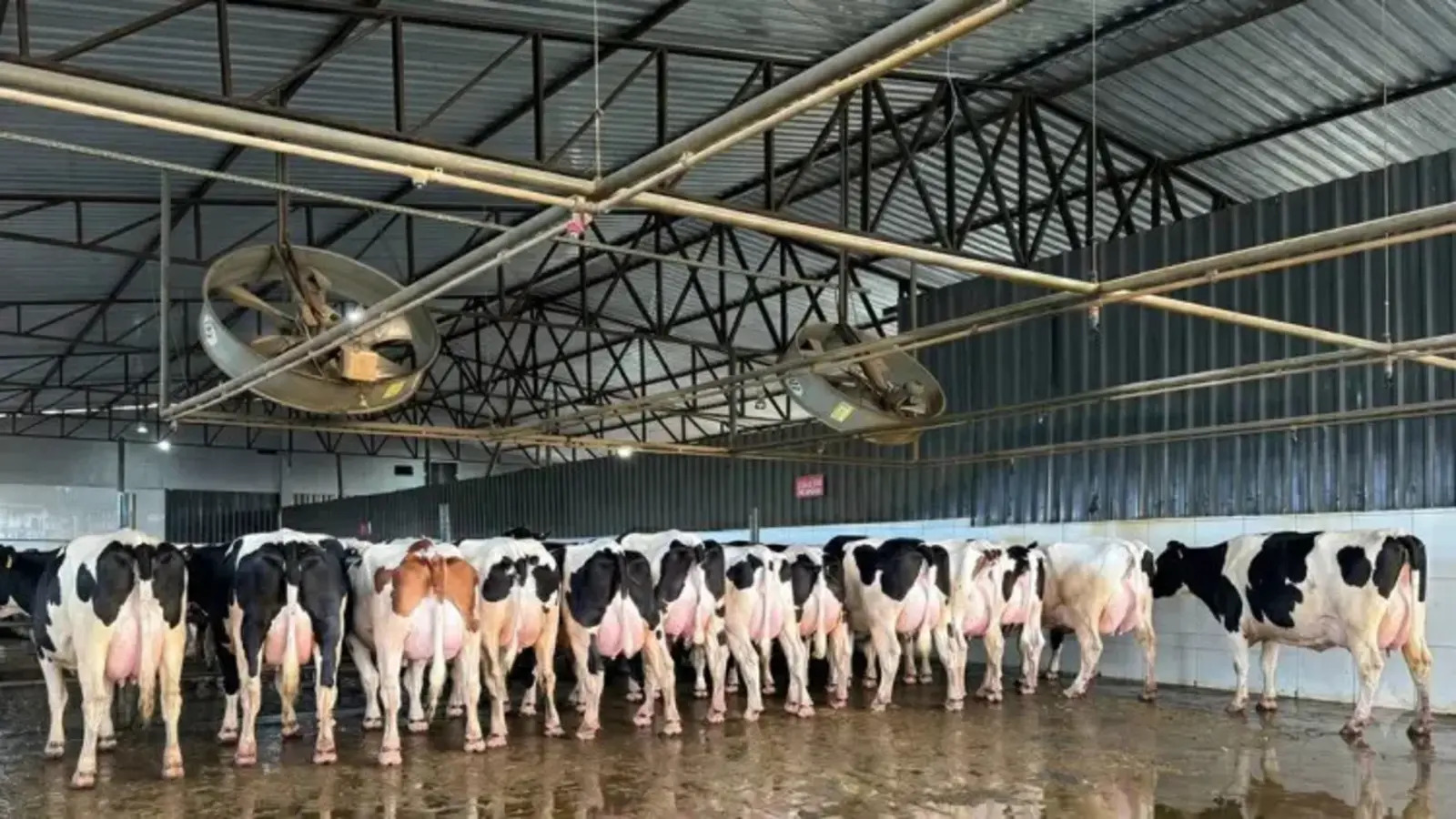
Innovative Farm in Northeastern Brazil Combats Drought with Advanced Techniques, Aiming for 10,000 Liters of Milk Daily Production


The movement occurs amid the growing interest in products with environmental certification. Furthermore, importing companies have started to value suppliers capable of proving the origin of the marketed food.
Green consumption advances and changes purchasing decisions in China
According to Xing Yanling, president of the Tianjin Meat Association, the demand for sustainable food has grown consistently in recent years. The advancement accompanies the increase in environmental awareness among Chinese consumers.
According to Zhang Xinhao, CEO of a Chinese beef importer, buyers have started to consider aspects such as traceability, stable quality, and ESG standards. Thus, certified products have gained ground in different market segments.
Even with an estimated price between 5% and 10% above conventional meat, Xing expressed confidence in the sales potential. The products will be marketed in premium supermarkets, restaurants, and live streaming platforms.
Deforestation-free production will be presented as one of the main differentiators. In April, Xing led a Chinese delegation that visited the Amazon to follow initiatives related to sustainable production.
The association’s expectation is to increase consumer interest in certified food and strengthen production practices aligned with environmental preservation.
Brazilian sustainable soy also enters the Chinese green route
The Chinese green demand is not limited to beef. In 2025, COFCO International, China Mengniu Dairy, and Sheng Mu Organic Dairy signed an agreement to acquire 1.5 million tons of sustainable soy produced in Brazil.
The supply will occur between 2025 and 2030. The raw material will be verified by independent audit to prove that its production occurred without deforestation and without conversion of native vegetation.
The initiative expands the participation of sustainable agricultural products in trade relations between the two countries. At the same time, it strengthens Brazil’s presence in a market that increasingly values certification, origin, and production transparency.
The agreement also demonstrates that environmental concern has started to influence purchasing decisions in different chains of the Chinese agribusiness.

Chinese green plan reinforces sustainable purchases
According to the 15th Five-Year Plan of China (2026-2030), the country intends to accelerate the adoption of sustainable production and consumption models. The document also provides for incentives to expand the low-carbon economy.
In January, the Ministry of Commerce of China and eight other government departments launched a national plan with 20 measures aimed at strengthening sustainable consumption.
The actions cover sectors such as agricultural products, home appliances, and hospitality. Additionally, the program foresees the expansion of the supply of green and organic foods for Chinese consumers.
Among the announced measures are exclusive areas for the sale of sustainable products, display of quality certifications, traceability seals, and disclosure of tests related to pesticide residues.
The set of initiatives reinforces the role of public policies in consolidating green consumption in the Asian country.
Brazil and China see strategic strength in sustainable agriculture
According to Zhu Chunquan, senior advisor of the Tropical Forest Alliance of the World Economic Forum, the Chinese stance can influence producers in different regions of the world by prioritizing products not linked to deforestation.
In his assessment, the decision contributes to the protection of tropical forests and to global efforts related to climate change.
Laudemir Müller, president of ApexBrasil, highlighted that Brazil and China have strong strategic complementarity. After all, China remains the main buyer of Brazilian soy and beef.
For Müller, the demand for sustainable products encourages Brazilian producers to maintain more rigorous environmental practices. Additionally, it increases the added value of exported products and strengthens the international competitiveness of the national agribusiness.
Finally, Bai Yunwen, deputy director of the Institute of Finance and Sustainability, advocated for the expansion of bilateral cooperation in areas such as environmental standards, agricultural technology, and green finance. According to her, the partnership between Brazil and China can serve as a reference for more sustainable agriculture, simultaneously contributing to food security and global climate stability.