One of the most valued beef in the world was born in Japan and is already occupying space in Brazilian rural properties.
The price per kilo of wagyu beef can exceed R$ 1,000 in Brazil, especially when the cut has a high degree of marbling.
Marbling refers to the fat distributed among the muscle fibers. This characteristic creates an appearance similar to marble.
Intramuscular fat also contributes to the tenderness, juiciness, and flavor of the meat.
-
Brazilian Farmers with Basic Education Create Backyard Machines That Win National Invention Contest, Beating 242 Projects

-
Brazilian Farm Innovates with Cage-Free Chickens, Producing 3,300 Odorless Eggs Daily

-
From Selling Unsold Saplings to Creating Brazil’s Most Awarded Olive Oil Brand with 330 Accolades and a $12 Million Goal by 2026
-
China Builds 400-Hectare Irrigation System in Tanzania to Aid 1,000 Families Dependent on Rainfall


According to the Brazilian Association of Wagyu Cattle Breeders, the price tends to increase as the level of marbling grows.
Marbling helps explain the high value of wagyu beef
Various cuts of wagyu can be found in the Brazilian market, especially in butcher shops and specialized restaurants.
Among the most well-known options are:
- Picanha
- Ancho
- Chorizo
- Fralda
Prices vary according to the cut, origin, animal genetics, and intramuscular fat classification.
Pieces with more intense marbling tend to reach the highest values.
This appreciation occurs because the fat is distributed throughout the muscle and directly affects the final texture of the meat.
Kobe Beef must follow strict rules in Japan
All Kobe Beef is wagyu, but not all wagyu can be called Kobe Beef.
Certification requires the animal to belong to the Tajima lineage and have controlled origin.
The cattle must be born, raised, and slaughtered in Japan’s Hyogo prefecture.
The meat must also meet specific criteria for yield, quality, and marbling.
The Kobe Beef Marketing & Distribution Promotion Association is responsible for inspecting and certifying these standards.
The name Kobe, therefore, cannot be used freely by producers from other regions.

Do beer and massage really play a part in breeding?
Wagyu became known for stories involving cattle that received massages and drank beer.
Beer was associated with relaxation and improved digestion in the animals.
Massage, in turn, was pointed out as a way to stimulate circulation and promote marbling.
These practices have no scientific proof, according to Daniel Steinbruch, president of ABCWagyu.
The quality of the meat depends mainly on genetics and the conditions provided during breeding.
Proper management allows the animal to develop the potential inherited from its lineage.
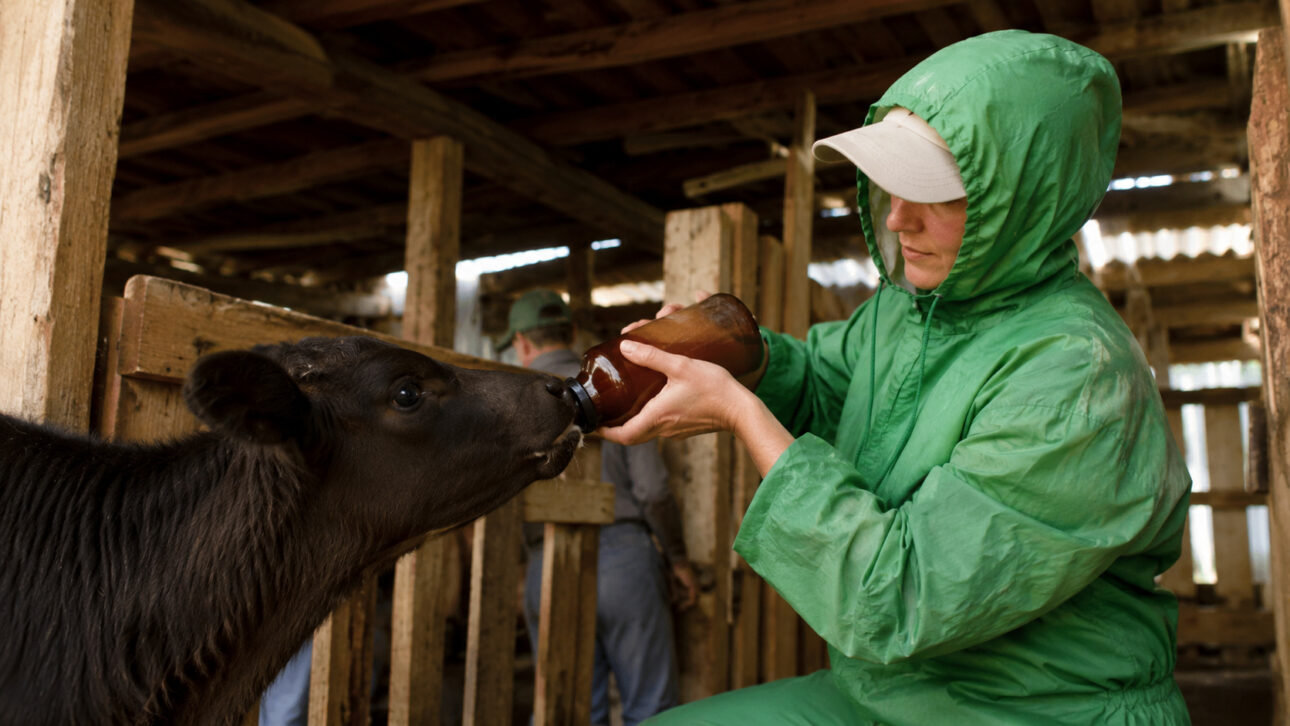
Starch-rich diet favors marbling development
Balanced feeding plays an important role in wagyu meat production.
Starch-rich grains provide energy for the formation of intramuscular fat.
Among the main foods used are:
- Corn
- Sorghum
- Rice
- Wheat
- Barley
Some Brazilian breeders also use residues generated during barley fermentation.
The remaining sludge from this process can serve as a protein source for the cattle.
The presence of barley in the diet does not mean that the animals receive beer directly.
Massages may contribute to well-being, but are not common in large confinements.
Origin of wagyu dates back to the 2nd century
The name wagyu combines two Japanese terms.
“Wa” means Japanese, while “gyu” means cattle.
According to the WagyuBrasil association, the ancestors of modern wagyu arrived in Japan around the 2nd century.
These animals came from the Korean peninsula and were used to plow lands and move grain mills.
The physical effort required strength and endurance over long periods.
This characteristic contributed to the development of the ability to store fat between muscle fibers.
The herd remained relatively isolated until 1868, during the Meiji Restoration.
Japanese breeders then began crossbreeding with imported breeds.
This process helped form the lineages known today.
Wagyu arrived in Brazil through Yakult in 1992
The first wagyu specimens left Japan for the United States in 1976.
International expansion gained momentum during the 1990s.
Pure wagyu arrived in Brazil in 1992, through Yakult’s initiative.
The company brought a pair of Japanese animals to its farm in Bragança Paulista, in the interior of São Paulo.
Yakult has since been developing selection and genetic improvement work.
The company remains among the main Brazilian producers of the breed.
The national herd includes pure animals and crossbreeds with other breeds.
Data from ABCWagyu indicate approximately 5,000 pure wagyus and 30,000 crossbred animals in the country.
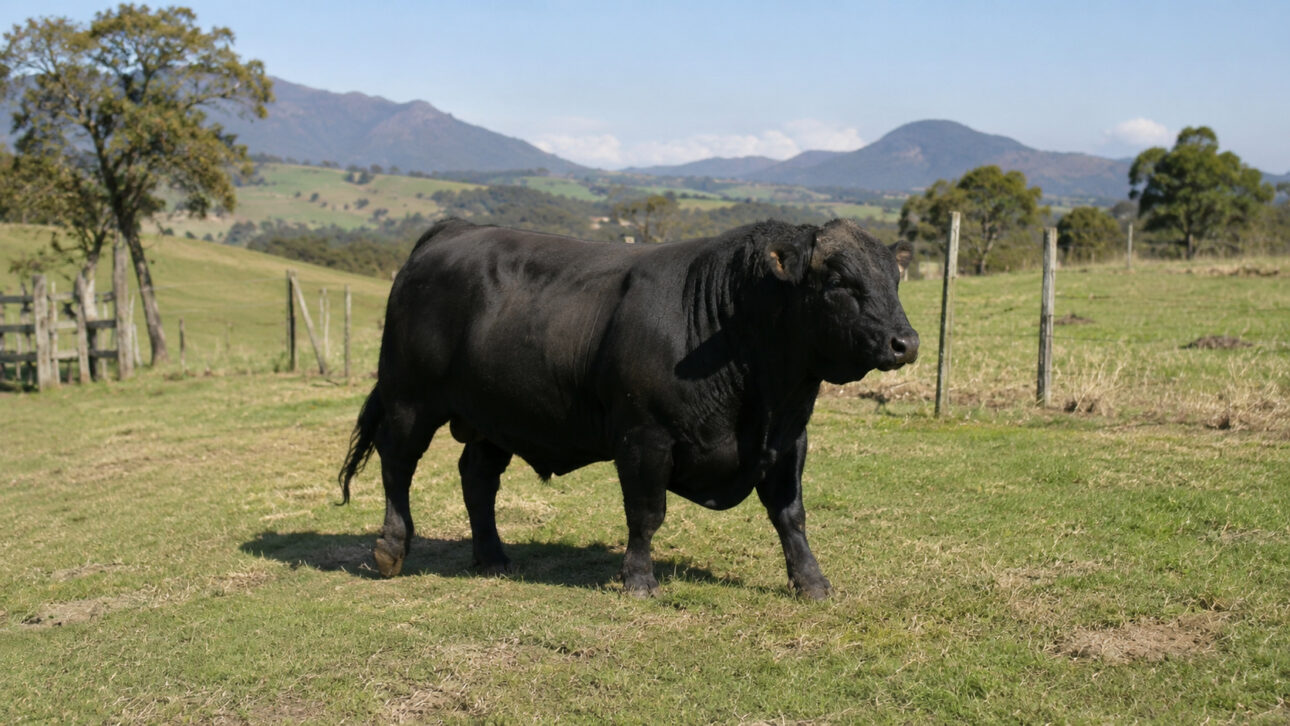
Genetics, diet, and management define meat quality
The high price of wagyu does not depend on beer or massages.
Genetics, balanced diet, proper management, and marbling explain the appreciation of the cuts.
The intensity of intramuscular fat can raise the price and differentiate the meat in the market.
Wagyu, in this way, combines Japanese tradition, genetic selection, and a production system focused on quality.
Would you pay more than R$ 1,000 for a kilo of wagyu beef to experience one of the most valued beef cuts in the world? Leave your opinion!