Portuguese
  Spanish


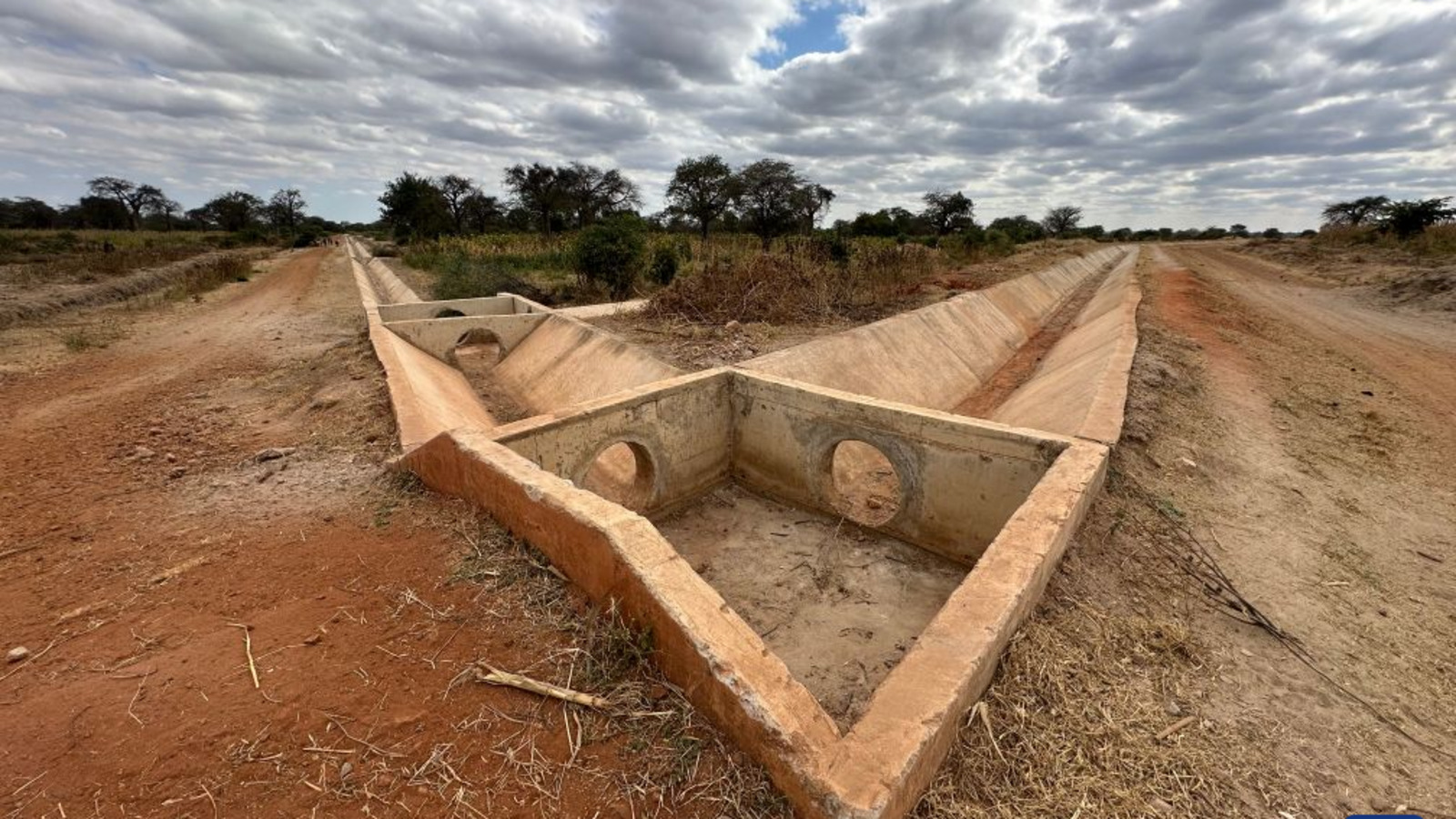

Gravity system built by China in Kongogo is expected to irrigate about 400 hectares, reduce costs with pumps and fuel, benefit farming families, and allow two harvests per year in the central region of Tanzania
Irrigation in Tanzania is changing the agricultural routine of the village of Kongogo, in the Bahi district, central Dodoma region. Nearly 1,000 farmers could benefit from a system built by China, covering about 400 hectares and expected to allow cultivation even in the dry season.
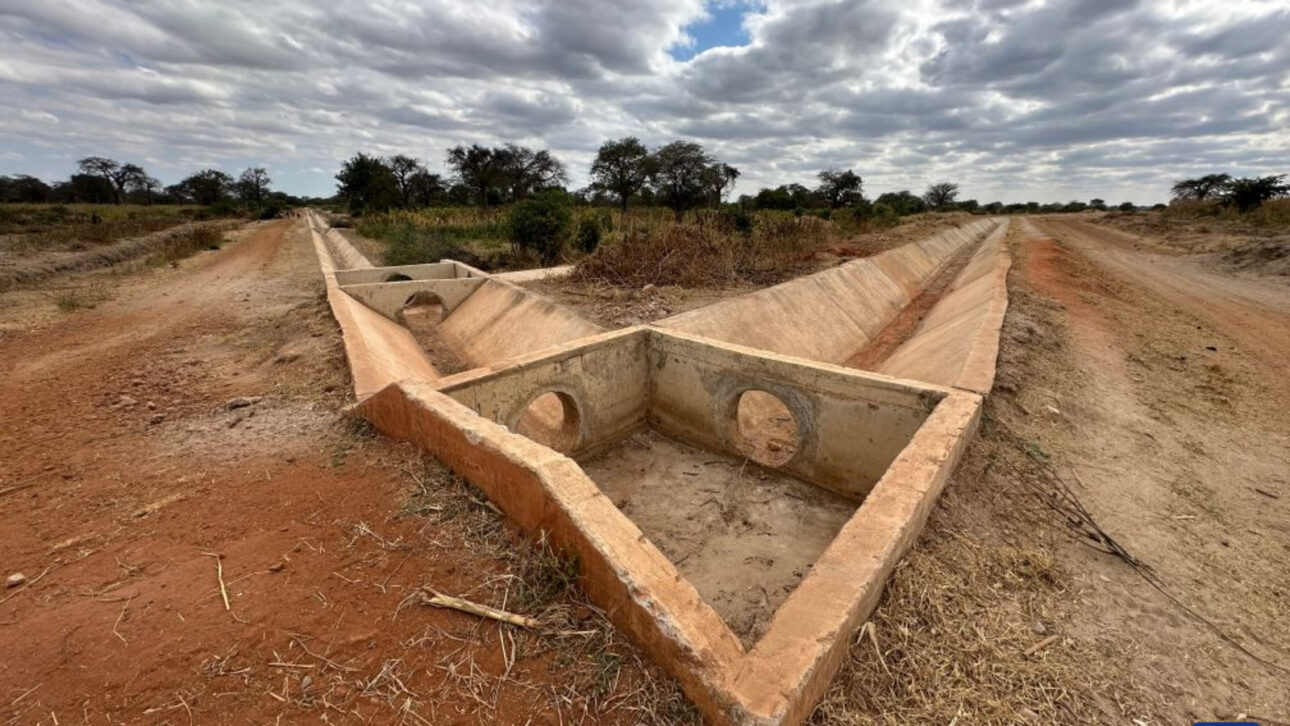
Irrigation System in Tanzania reduces dependency on rain in Kongogo
For years, farmers in Kongogo relied almost entirely on rain to plant and harvest.
When drought arrived or rain was delayed, small farms were threatened, directly affecting families’ food and income.
-
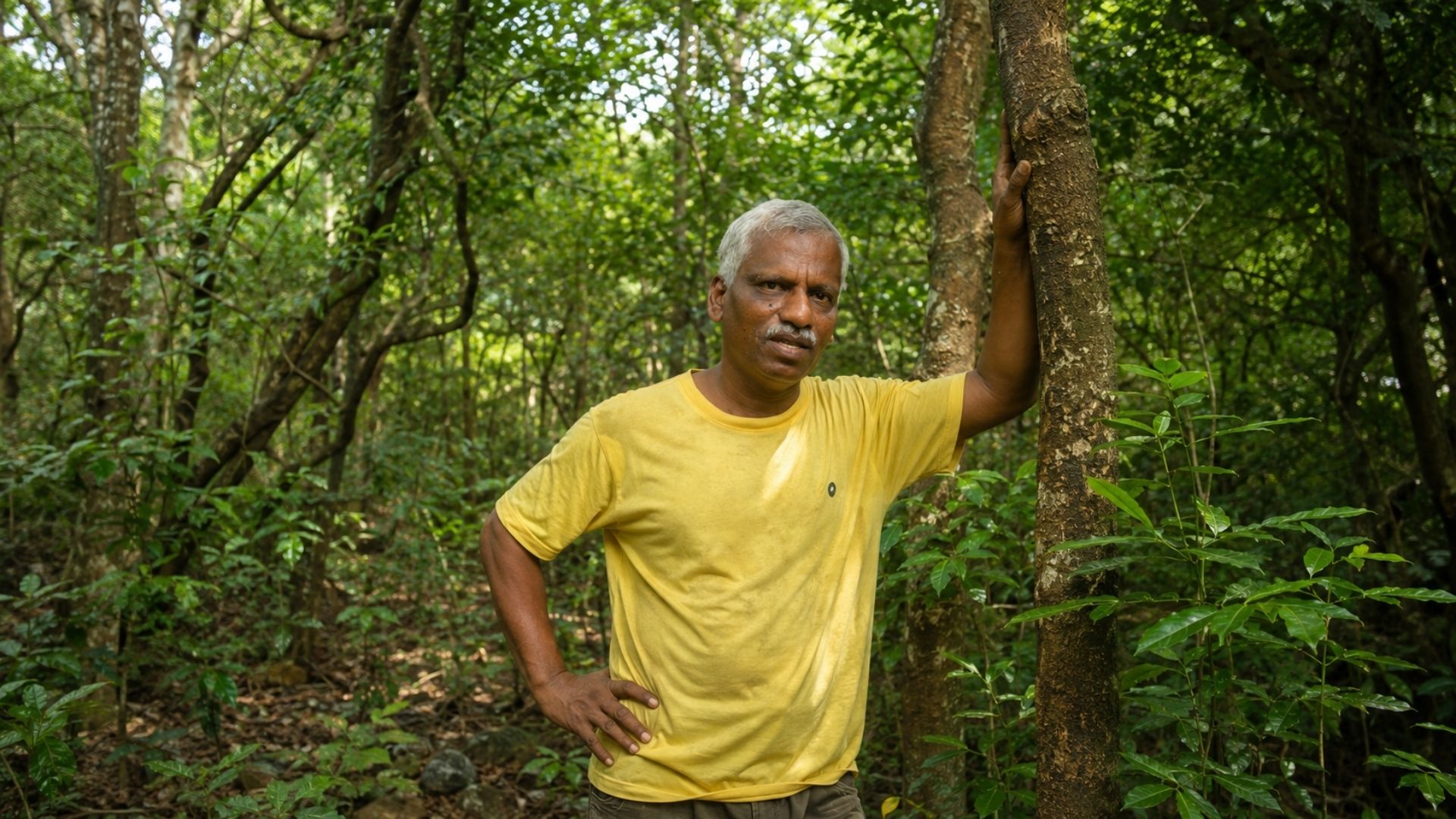
High School-Educated Farmer in India Converts 40 Hectares of Arid Land into Native Forest with 900 Species and Up to 40,000 Trees

-
After Two Years of Water Scarcity, Brazilian Farmer Finds Well on Her Land, Boosting Mango and Passion Fruit Production in Central Brazil

-
Cashew Becomes Billion-Dollar ‘Superfood’ in Ivory Coast: 1.6 Million Hectares of Monoculture Encroach on Forests as Families Trade Food for Nuts
-
In Rural Brazil, José Sirval Operates a Water-Powered Mill Grinding 125 Kilograms of Corn Daily Using His Great-Grandfather’s Century-Old Monjolo


Small farmer Shabani Saki, father of six, lived this reality on small plots of land. He states that before, the arrival of drought could mean the loss of the entire production.
With the new system, the expectation is to reduce this uncertainty. The village is home to over 1,000 families, mostly dependent on agriculture, and more than 600 are expected to benefit directly from the nearly completed infrastructure.
Saki states that irrigation will allow for expanding cultivated areas and harvesting more regularly. According to him, farmers expect to produce between 30 and 50 sacks per hectare.
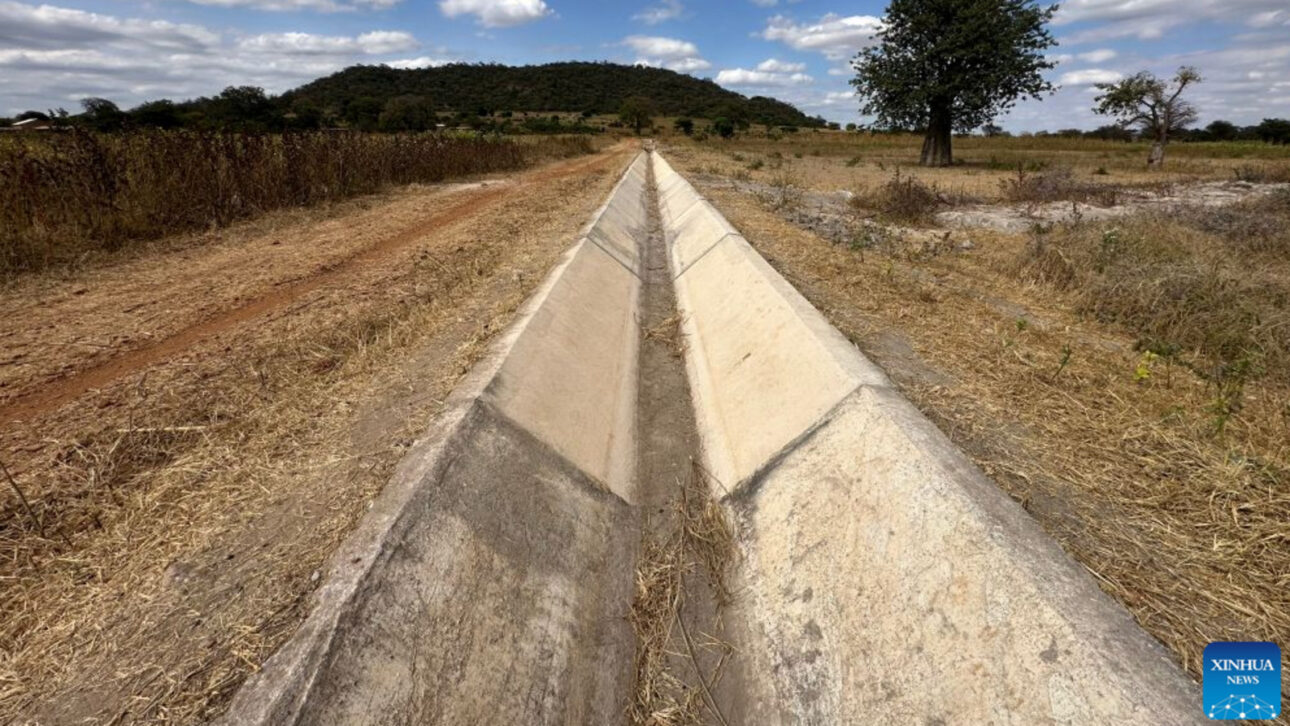
Gravity system eliminates pumps, diesel, and fuel
The project is being executed by China Railway Jianchang Engineering Company (CRJE) (East Africa) Limited and supervised by the National Irrigation Commission of Tanzania, linked to the Ministry of Agriculture.
The structure includes six kilometers of main channels, nine kilometers of secondary channels, and 14 kilometers of access roads. This network was planned to efficiently distribute water across the community’s agricultural areas.
The system uses gravity irrigation. Water exits from an existing dam, built more than a decade ago, and naturally flows to the fields without the need for pumps, fuel, or energy consumption.
The project engineer Bahati Shitobelo, from the National Irrigation Commission, explained that some farmers had previously tried using water pumps, but the costs of diesel and maintenance were too high for most.
According to Shitobelo, the new solution makes access to water more efficient and affordable because the water will flow directly to the agricultural properties.
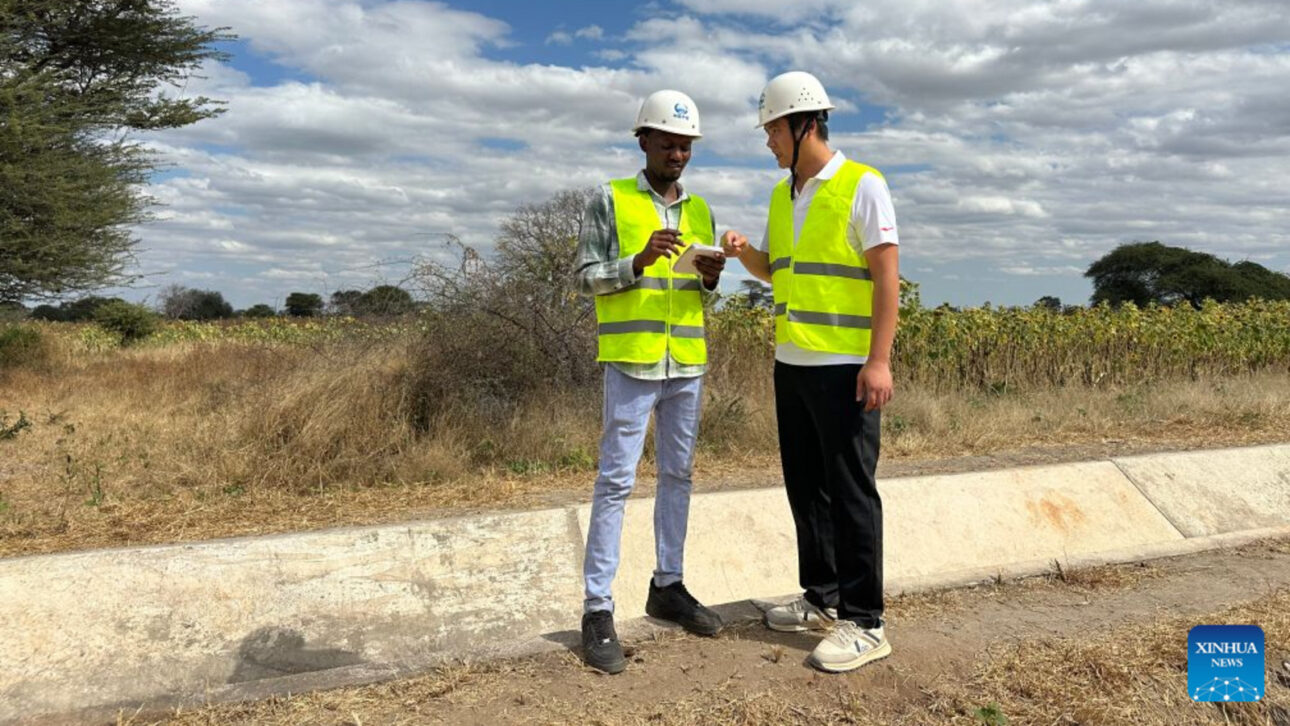
Project expected to allow two agricultural harvests per year
The irrigated area will cover about 400 hectares, mainly for rice cultivation. It is expected that nearly 1,000 farmers will benefit from the infrastructure.
In the rainy season, farmers will continue using rainwater. In the dry season, they will be able to maintain planting with the support of irrigation. For Shitobelo, this means two agricultural harvests instead of just one.
The project manager, Lin Chongliang, stated that Tanzania has a rainy season and a dry season, and that farmers face water shortages during the dry period. The project was designed to address this limitation.
For Saki, the impact goes beyond farming. With more production, families hope to ensure food, sell surpluses, generate income, educate their children, and build better homes.


Projects also generated employment and technical learning
In addition to the promise of change in agricultural production, the construction phase has already brought benefits to the residents of Kongogo, especially the youth of the community.
At the peak of activities, the project created opportunities for about 100 workers, including both skilled and unskilled labor. Residents participated in excavation, landfill, and general construction services.
Saki highlighted that many young people managed to get jobs and learned skills related to civil construction and other areas. Even with low pay at the moment, he believes that the knowledge could help in the future.
The transfer of knowledge is also evident in the account of Vicent Mayala, a local surveyor who has been working on the project for three years. He said he learned to use modern technologies, including GPS, in the layout of irrigation channels.
According to Mayala, this technical experience improved his income and the well-being of his family.
This article was prepared based on information from Xinhua, with data, numbers, and statements preserved as per the consulted material.