Portuguese
  Spanish


A promise of affordable housing made with 3D printing technology turned into a case full of questions in Cairo, Illinois. The project that began as a symbol of reconstruction ended up marked by delay, cracks, financial dispute, and federal investigation.
A small town in the United States believed that a giant 3D printer could achieve what decades of promises could not: bring housing, hope, and movement back to the streets. But the project that seemed like a showcase of the future ended with cracked walls, an empty house, a machine off the site, and a federal investigation that turned the promise into a police case.
The episode took place in Cairo, Illinois, a town with fewer than 2,000 residents and a long housing crisis. The plan seemed perfect for headlines: using 3D construction to build houses faster, help families without adequate housing, and show that a small town could also enter the era of technology applied to housing.
However, the symbol of rebirth became an uncomfortable portrait of how a futuristic solution can collapse when there is a lack of execution, clear funding, and control.
-
They exchanged the idea of a large house for a 35 m² warehouse, spent US$ 12,000 on the structure, and created a tiny house in Colorado with space to live and work.

-
A newly opened terminal in the middle of the Amazon has begun transporting soy and corn through Amapá, eyeing the queue of ships that is congesting the ports in the South.

-
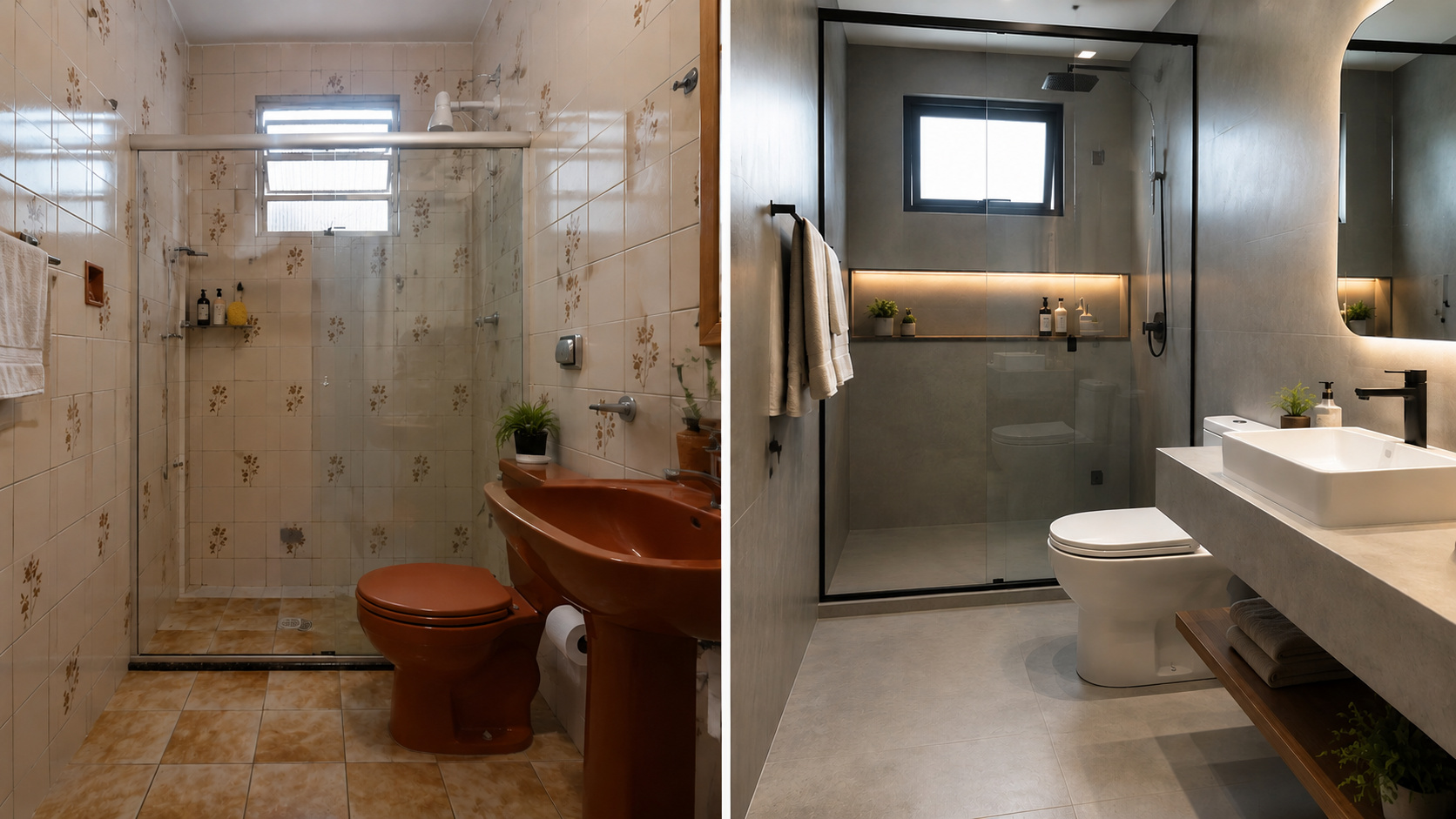
Goodbye to old tiles: renovation technique without construction transforms bathrooms in a few hours, eliminates debris, and reduces costs with coverings using special paints, high-resistance adhesives, and modern finishes that completely renew the space.
-
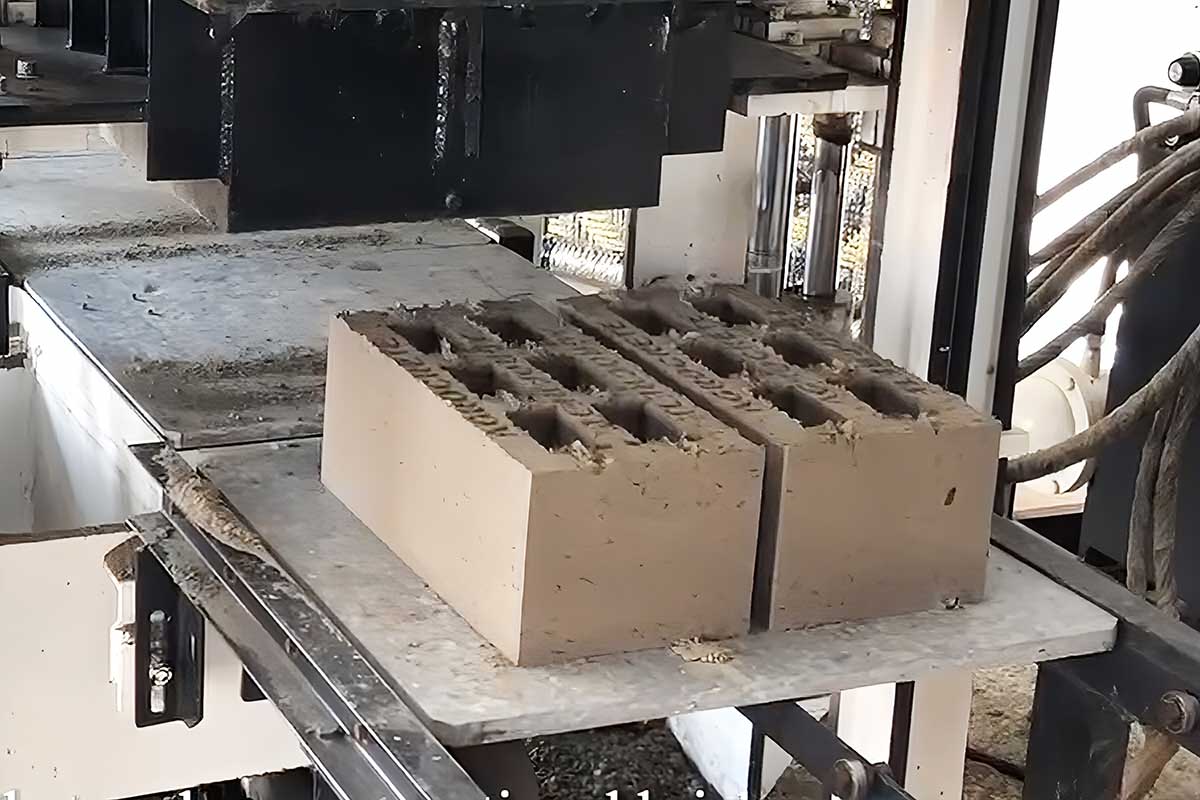
Goodbye to the traditional clay brick: Indian startup transforms burnt straw into a carbon-negative brick that costs half, insulates better, and even removes CO2 from the air.


The city that saw hope arrive in the form of a giant machine
Cairo had been carrying a deep problem. In 2019, two public housing complexes, Elmwood and McBride, were demolished after years of deterioration. Almost 400 residents were displaced, and many received rental vouchers but ended up having to seek housing more than 30 miles away due to a lack of affordable options in the town itself.
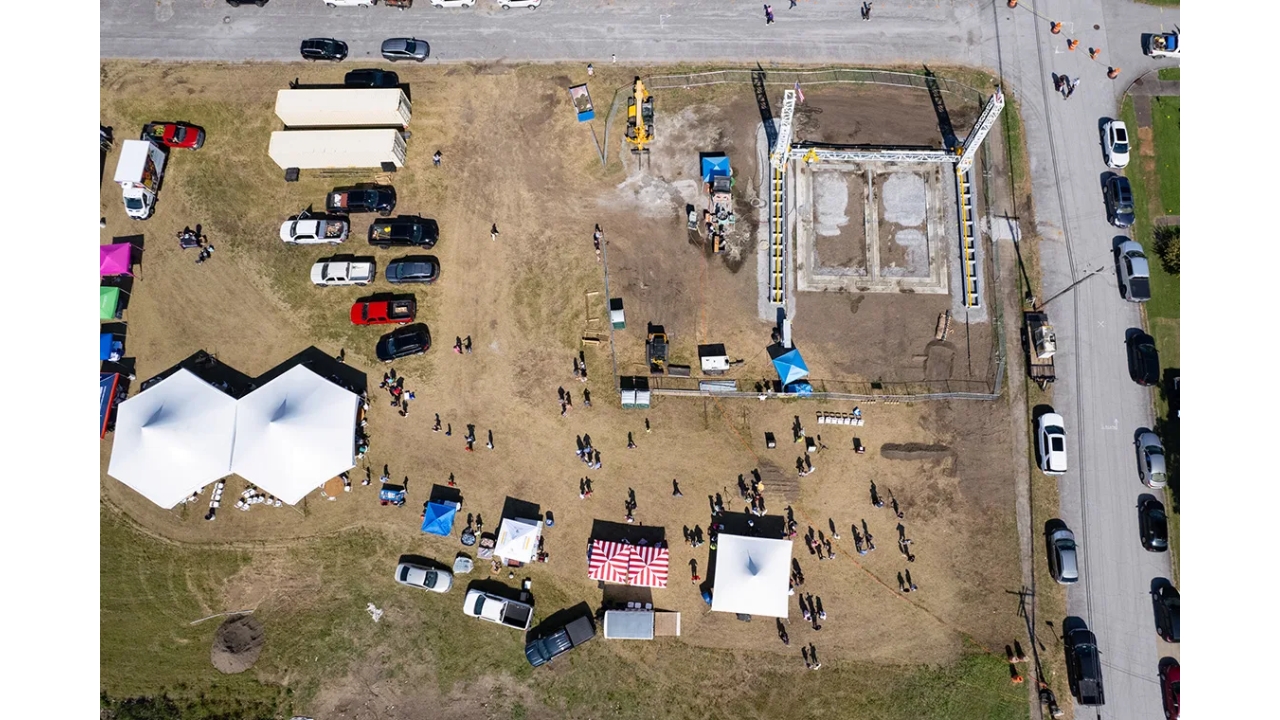
It was in this scenario that the arrival of a 12-ton 3D printer drew so much attention. The machine was set up on an empty lot behind the town hall and promised to print the internal and external walls of a duplex in about 45 hours. For a town marked by abandoned properties and population loss, it seemed like much more than a construction project. It seemed like a turning point.
The initial coverage showed residents, authorities, and onlookers gathered to see the machine in action. More than 100 people attended the event. The scene had everything to go viral: technology, affordable housing, a forgotten town, and a promise of reconstruction almost cinematic in nature.
The plan was to build 30 duplexes
The agreement signed in August 2024 envisioned something much larger than a single house. The responsible company, Prestige Project Management Inc., made a deal with the city to build 30 duplexes. The first would be erected on a lot sold for $1, managed for 18 months, and then transferred back to the municipality.
The contract also mentioned another 29 duplexes in the following three years. The problem is that the investigation published by ProPublica and Capitol News Illinois pointed out an explosive detail: there was no clear explanation of how this expansion would be financed.
The first unit became a sort of showcase. If it worked, it could pave the way for new homes, draw attention to Cairo, and show that 3D printing in construction would be a real solution for small towns with housing shortages.
But the script changed quickly.
Walls went up, cracks appeared, and the work stopped
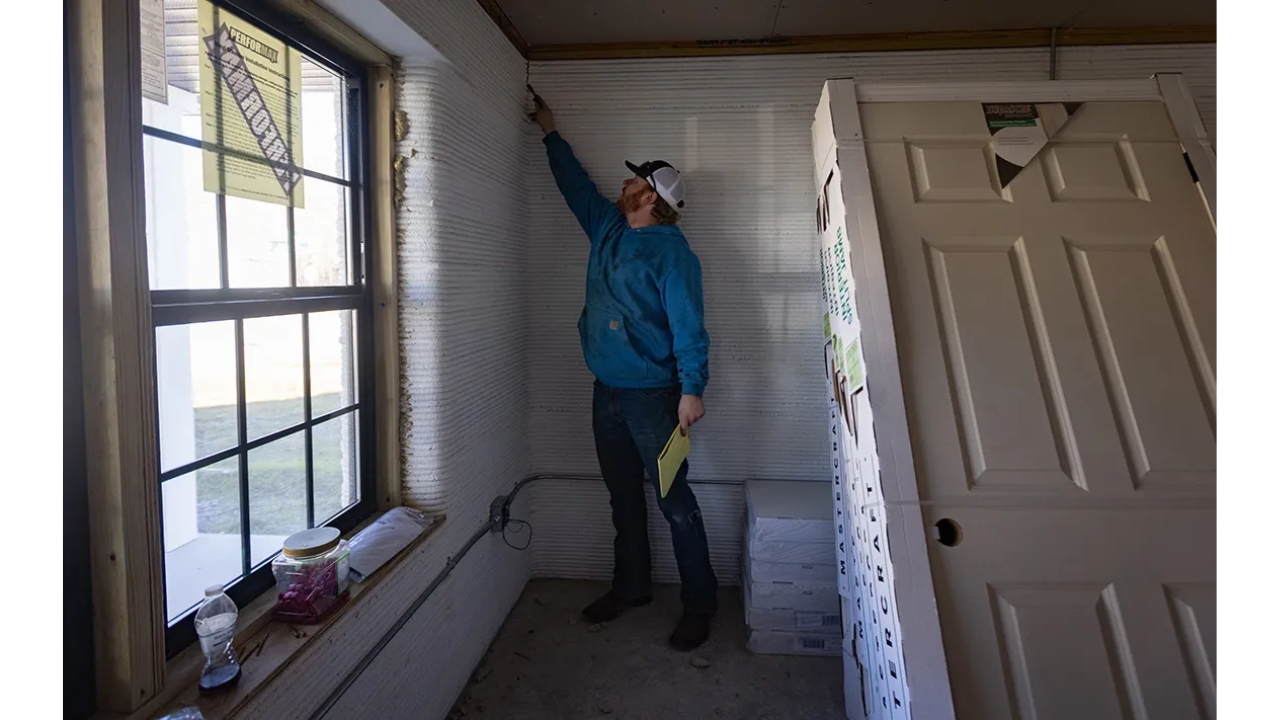
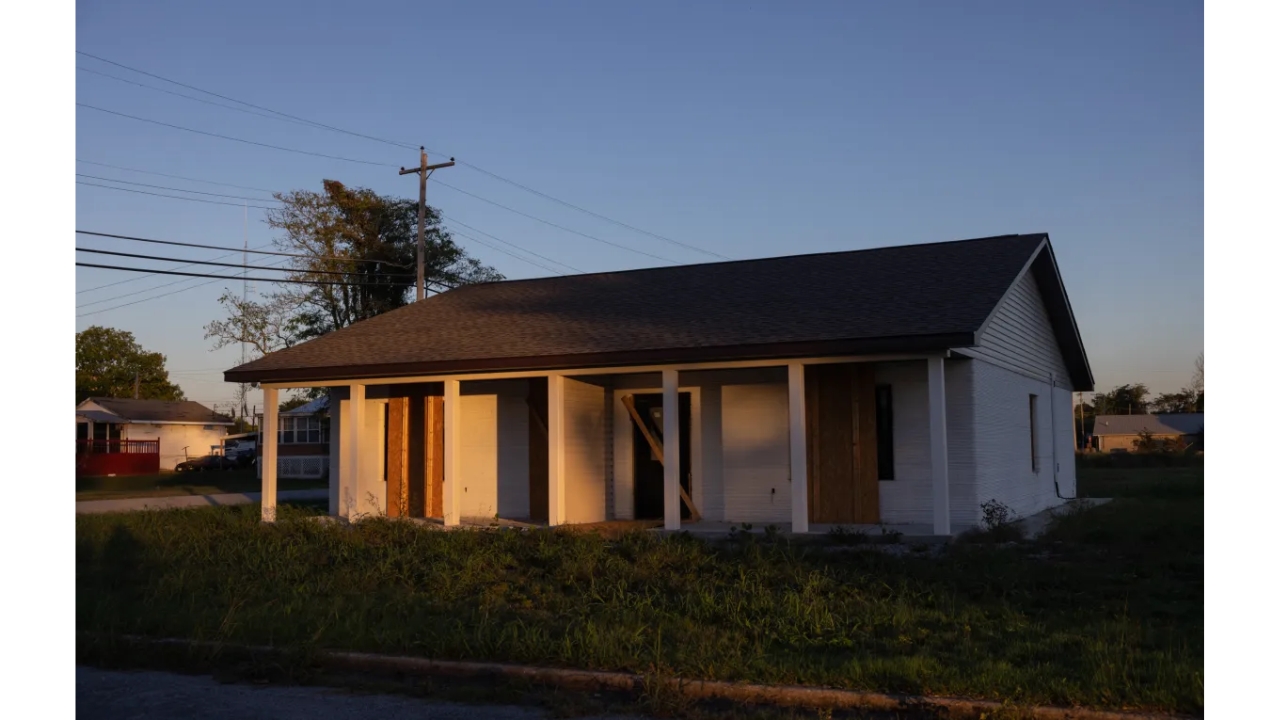
The walls of the duplex went up in about a month, and the internal work began. Then, the project simply stopped before completion. The company owners said that dozens of cracks appeared in the walls and that it was necessary to assess whether the structure was safe.
The printer disappeared from the site. More than a year later, no one had moved into the duplex. The house that was supposed to accommodate families turned into an unfinished construction on an open lot, precisely where the city hoped to see the beginning of a new phase.
The company claimed issues with the mix used by the printer, described as a kind of concrete “ink.” The equipment supplier, in turn, stated that they had offered a new concrete solution and even help to find a buyer for the machine if the project did not proceed.
For those looking from the outside, the technological promise began to seem like a succession of disputes, delays, and conflicting versions.
The money that complicated everything
Even before the printer arrived in Cairo, the purchase of the equipment had already become a problem. In October 2023, a regional bank approved a loan of US$ 1.1 million for the purchase of a 3D printer. About US$ 590,000 was sent as a deposit to another supplier, but the company tried to cancel the order.
The supplier did not return the amount. Later, the project manager bought another printer with the remaining funds. Subsequently, there was a lawsuit, a favorable decision for the company that purchased the equipment, and uncertainty about recovering the money.
This detail completely changes the weight of the story. It was not just a delayed construction. It was a promise of affordable housing involved in a million-dollar loan, lost deposit, supplier change, and a vulnerable city waiting for houses that never came.
When the promise turned into an investigation
The most serious point came later. The FBI opened an investigation into the business dealings of the company responsible for the project. A federal grand jury subpoena requested financial records, and documents were also sought in public contracts not directly linked to the Cairo duplex.
Until the publication of the investigation, there were no criminal charges or arrests. The owners denied any wrongdoing and claimed to have cooperated. Therefore, the case needs to be handled with care: what exists is an investigation, not a conviction.
Even so, for Cairo, the symbolic damage was already enormous. The city that expected to be a showcase of 3D printed houses ended up associated with a stalled construction, cracks, and unanswered questions.
Why this case matters now
The story of Cairo does not bury the technology of 3D printed housing, but it shows that innovation alone does not solve a housing crisis. A machine capable of erecting walls in a few hours does not replace transparent financing, urban planning, oversight, and responsibility to real families.
What seemed like the future of affordable housing turned into a warning. In small cities, where every promise carries the weight of decades of neglect, an unfinished construction is not just stalled concrete. It is interrupted hope.
And maybe that’s why the case draws so much attention: because the image of a giant printer building houses seemed too perfect. Until the cracks appeared and revealed that behind the technology, there were still old problems that no machine can print away from the eyes of investigation.