





 Portuguese
  English
  Spanish
  4 min of reading
  0 comments



Japan And Italy Use Lightweight Aggregates Of Volcanic Rock And Industrial Slag To Reduce Railway Slab Weight By Up To 30%, Relieving Piers, Foundations And Improving Structural Performance.
The decision to replace traditional gravel with lightweight aggregates in slabs and railway decks did not arise from trend or environmental discourse. It emerged from a concrete structural problem: the excessive self-weight of slabs in long viaducts, railway bridges, and elevated structures, especially in modern lines where control of deformation, vibration, and fatigue is critical. In countries like Japan and Italy, engineers began to tackle the problem at its source, substituting gravel with aggregates of lower density that have been used for decades in heavy engineering but are little known outside the technical field.
What Are Lightweight Aggregates In Practice
The lightweight aggregates used in these projects are not “fragile materials” or experimental. They mainly include expanded volcanic rocks (such as lapilli, pumice, and expanded clay) and processed industrial slags, especially expanded blast furnace slag, a controlled byproduct of the steel industry.
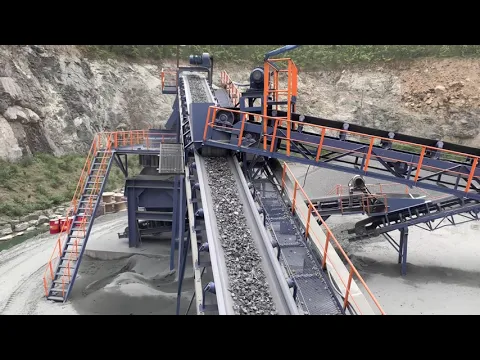

These materials undergo thermal or industrial processes that create a porous internal structure, drastically reducing density without eliminating the capacity to function in structural concrete.
-
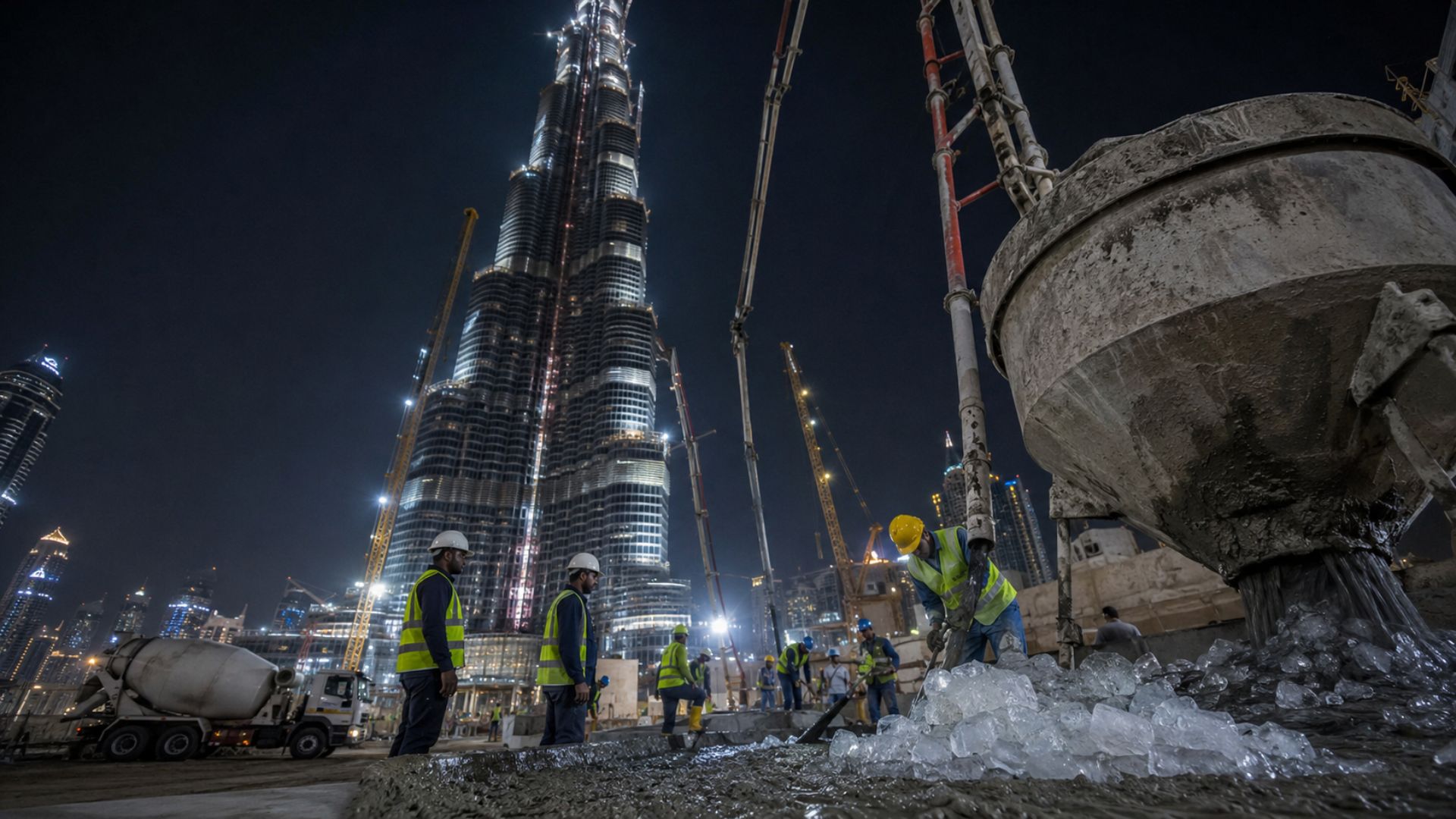
Engineers had to pour concrete mixed with tons of ice throughout entire nights in the Dubai desert to erect the Burj Khalifa; any carelessness could clog the pipes half a mile high.

-
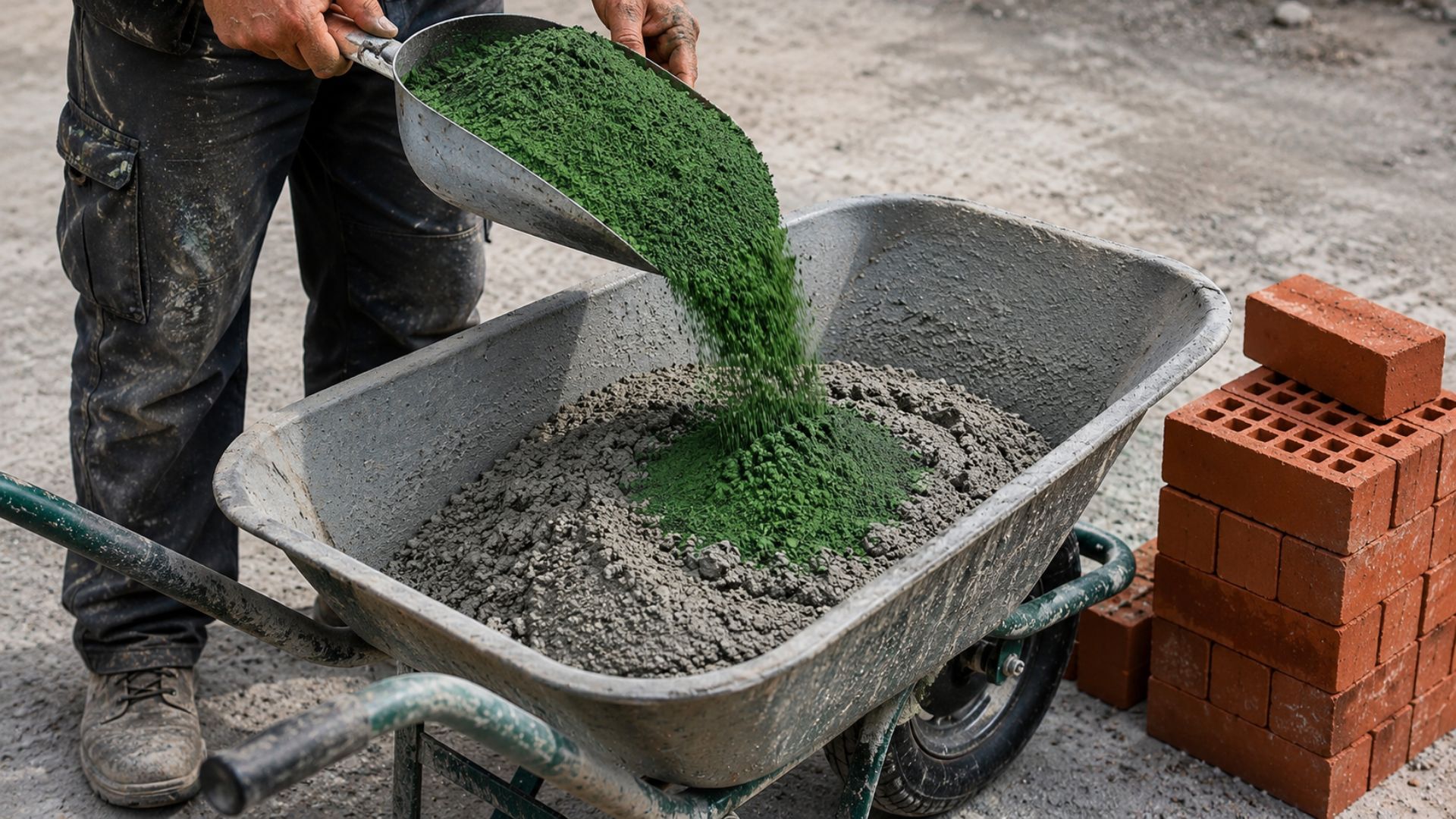
A homemade technique is going viral among construction workers throughout Brazil and promises to renew thick floors without needing to spend on tiles. All you need is AC3 mortar, burnt cement, and a bit of wood glue to transform the appearance of the house.
-
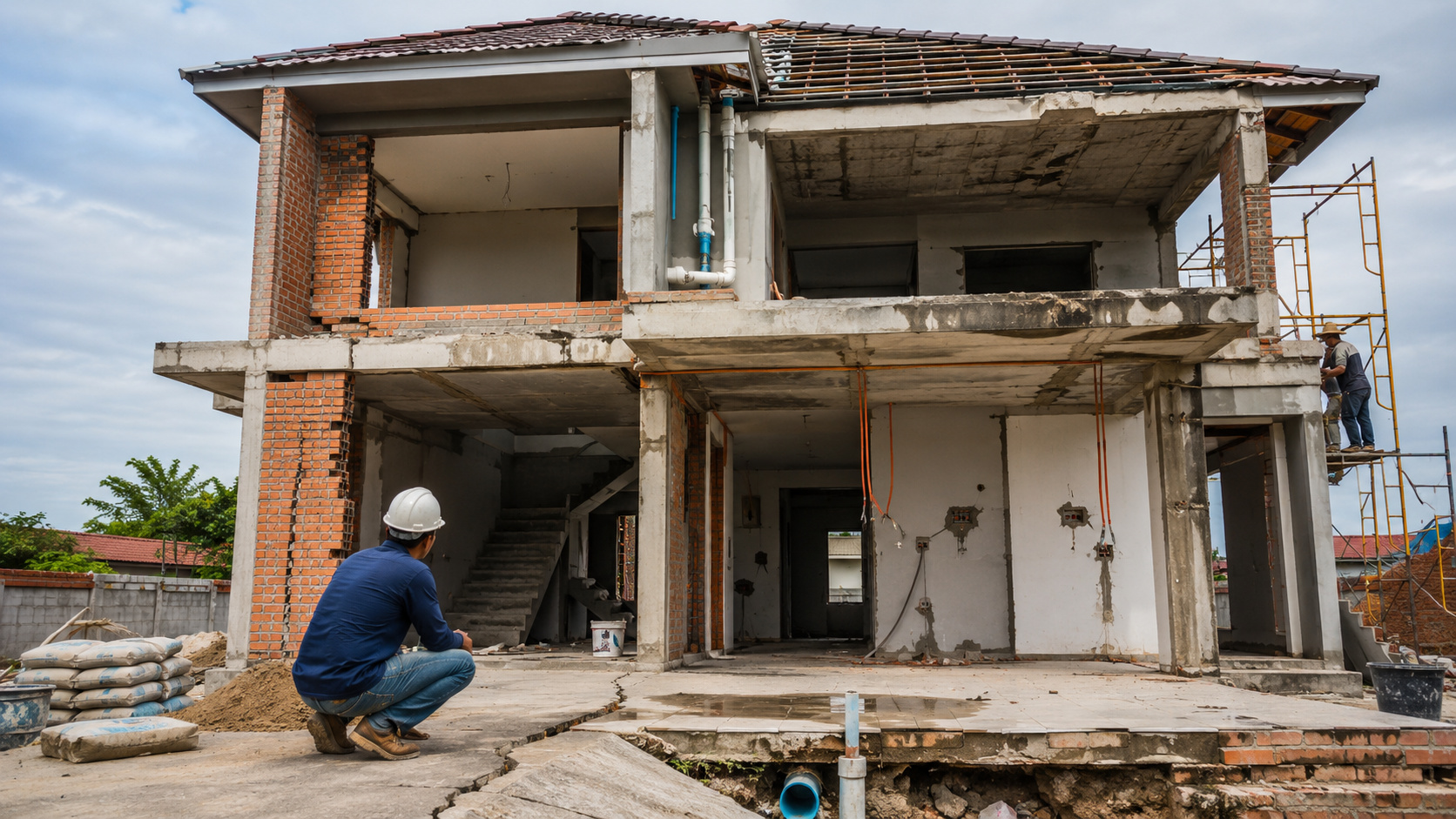
Seven mistakes in house construction show how design choices can lead to tiring stairs, duplicate kitchens, and extra work after moving in.

-
While Brazil has been discussing the Rio-São Paulo bullet train for 30 years, India drilled 14 km of rock at an altitude of 3,000 m and in June completed the largest bi-directional road tunnel in Asia.


While conventional gravel leads concrete to typical densities between 2.3 and 2.5 t/m³, structural concretes with lightweight aggregates operate in ranges close to 1.6 to 1.9 t/m³, depending on the dosage.
In practice, this allows reductions of up to 30% in self-weight of the slab or deck, without compromising the necessary strength for railway loads.
Why Self-Weight Became The Main Target
In railway viaducts, the weight of the structure itself often represents the largest share of permanent loads. Every ton less on the deck translates to:
- lower stresses on the piers,
- less demanding foundations,
- less need for structural reinforcement,
- and better dynamic behavior under repetitive traffic.
In modern railway lines, especially on elevated sections — reducing weight is not just cost-saving: it’s performance engineering.
Real Applications In Civil Engineering In Japan
In Japan, the use of lightweight structural concrete in railway slabs appears in elevated segments of urban and intercity lines, where control of vibration, noise, and deformation is strict.
Japanese technical standards formally recognize the use of lightweight structural aggregates, including materials of volcanic and industrial origin, for applications in slabs and decks.
In urban viaducts, the weight reduction helps limit displacements and decrease vibration transmission to residential areas below the line. Furthermore, lightweight aggregates offer better acoustic insulation, a decisive factor in densely populated railway corridors.
Consolidated Use Of Lightweight Aggregates In Civil Engineering In Italy
Italy has a long tradition of using expanded clay and industrial slags in structural concrete, including in bridges and railway viaducts.
In mountainous regions and across long spans, the reduction of self-weight has allowed for more efficient spans and less demand on piers and abutments, especially in projects where the terrain imposed limits on deep foundations.
In modernization projects of existing lines, lightweight concrete has also proven strategic: replacing or reinforcing slabs with lighter weight reduces the need for deep interventions on original supports, speeding up the work and reducing costs.
Direct Impact On Structural Engineering
When a slab becomes up to 30% lighter, the entire structural chain changes. Piers can be sleeker, foundations require less volume of concrete and steel, and the structure’s response to dynamic loads improves. In seismic environments — like Japan and parts of Italy — this mass reduction also contributes to lower inertial forces during earthquakes.
In other words, the gain is not only economic but also structural and safety-related.
Industrial Slag: A Waste That Becomes A Noble Component
In the case of blast furnace slag, there is an additional benefit. The material ceases to be an industrial waste and becomes part of concrete with controlled performance.

After proper processing, expanded slag shows good bonding to cement paste, volumetric stability, and proven durability.
This reuse is one of the reasons why European railway administrations have begun to accept and encourage the use of the material in structural applications.
A Silent But Profound Change
The substitution of gravel with lightweight aggregates does not attract visual attention. The viaduct looks the same. But, from an engineering perspective, the change is profound: less weight, less effort, more durability, and more structural efficiency.
Japan and Italy show that innovating in large projects does not always mean creating unprecedented machines or futuristic shapes. Sometimes, it is enough to change what goes into the concrete to completely alter the behavior of a structure that needs to last for decades under extreme loads.






Be the first to react!