Portuguese
  Spanish



Japan Is Focusing on Energy Transition, Seeking Means for Clean and Renewable Energy Production. This Time, a Company in the Country Has Developed Equipment Capable of Generating Energy from Ocean Waves.
Researchers in Japan are seeking alternatives for energy generation to replace their nuclear power plants with renewable energy generation. However, so far, despite the sophistication of the venture and the creativity employed, as well as the invested amounts, they have not achieved significant results as expected.
Japan Plans to Utilize Energy from Waves


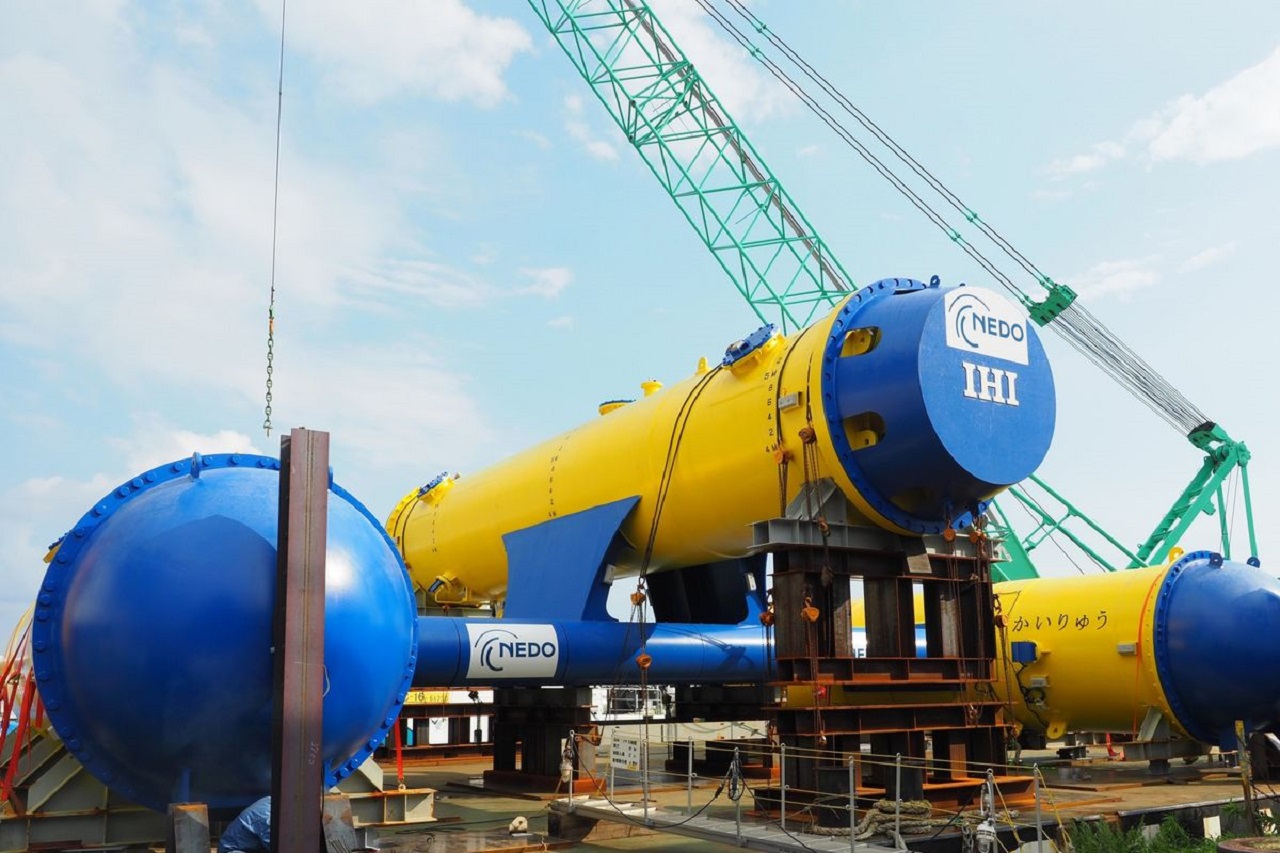
The Japan Organization for New Energy and Industrial Technology Development (ODNETIJ) announced the successful completion of tests for a turbine that could be one of the alternatives to transform renewable energy production worldwide.
The tests lasted about three and a half years. Named Kairu, which in simple translation from Japanese means ocean currents, the project aims to generate clean energy and seems promising, considered one of the most powerful natural sources still unexplored. Japan is permanently exploring wave energy or the flow of sea currents.
-
Fired during apartheid and with a little borrowed money, an electrician started with a borrowed truck and transformed electrical services into a group connected to energy, real estate, and infrastructure in South Africa.

-
Wood has ceased to be just a construction material in Yale research and has become insulation for electrical transformers that face intense heat, aging, and increasing pressure from the renewable energy-powered grid.
-
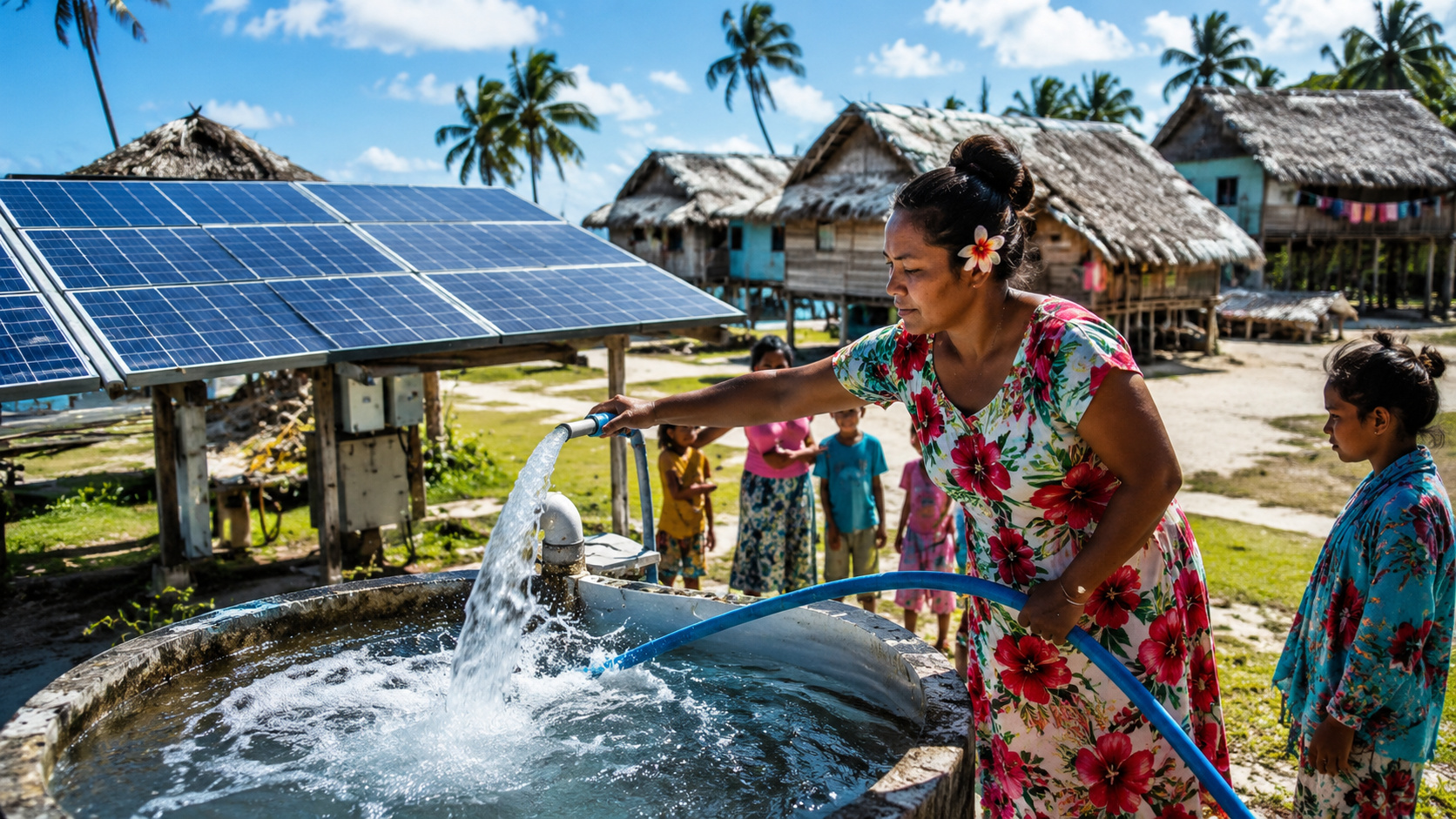
More than 1,000 residents of a remote island in Kiribati now have clean water and electricity with solar systems operated by the community itself.
-
Ceará brings together 7 giants and R$ 66 billion to transform Pecém into the largest green hydrogen hub in Brazil, with final decisions expected by the end of 2026.

Now, the entity states that the challenge is to design a renewable energy generator capable of withstanding the strong currents near the country’s coast. The company NEDO, in partnership with IHI Corporation, disclosed that its prototype successfully operated for the first three years under real conditions.
The clean energy project produced 100 kilowatts of energy during the testing period. The company has since launched an even larger project, now seeking to transform the wave energy turbine into a gigantic structure weighing over 300 tons, with the capacity to generate 2 MW.
Project Set to Be Completed in 2030
The entity’s estimate, along with the companies involved in this project, is that everything will be ready in more than 7 and a half years, at the beginning of 2030. The renewable energy-generating prototype features a structure of 20 meters in length, accompanied by a pair of similarly sized cylinders. Each of the cylinders has a clean energy generation system connected to an 11-meter-long turbine.
The prototype is anchored on the seabed but floating about 50 meters below the surface. The anchor cable is also used to transport wave energy to the mainland. The device can be moved, raised, or lowered to find the most efficient current orientation for electricity generation.
The force of the water causes the turbine blades, placed in the opposite direction, to rotate, which, with a series of position sensors, keeps the device permanently stable, despite the dramatic movements of the water in the area.
Super Turbines Could Generate 200 GW of Clean Energy
When fully ready, the new super turbine will be placed in an ocean current known as Kuroshio, which has a speed of up to 1.5 meters per second. The companies estimate that if all the energy from the ocean current could be harnessed by similar generators, it would be possible to generate about 200 GW of energy, roughly 60% of what Japan currently consumes.
Previous attempts to extract energy from tides, currents, and waves from the open ocean have ended in failure, according to data from the organization.
The high cost of constructing such a structure and placing it in open waters has been one of the main hurdles, along with the environmental issues it may create and the dangers of proximity between coastal areas and the electrical grid, which researchers are working to minimize as much as possible.