Portuguese
  Spanish


After 13 Years of the Fukushima Disaster, Japan Evaluates New Reactor in Mihama and Reignites Debate Over the Future of Nuclear Energy in the Country.
Japan may be on the verge of turning an important page in its energy history. After more than a decade since the Fukushima disaster, the country is considering, for the first time, the construction of a new nuclear reactor.
First Step Since Fukushima
Kansai Electric Power Co. announced that it will resume studies for a possible new reactor at the Mihama Nuclear Power Plant, located in Fukui Prefecture, west of Tokyo.
According to Bloomberg, the project still requires approval and does not have a defined timeline. However, it is the first concrete initiative since the nuclear collapses of 2011.
-
Estonia Constructs Bunkers and Trenches on Russian Border to Strengthen NATO Defense and Signal Baltic Readiness

-
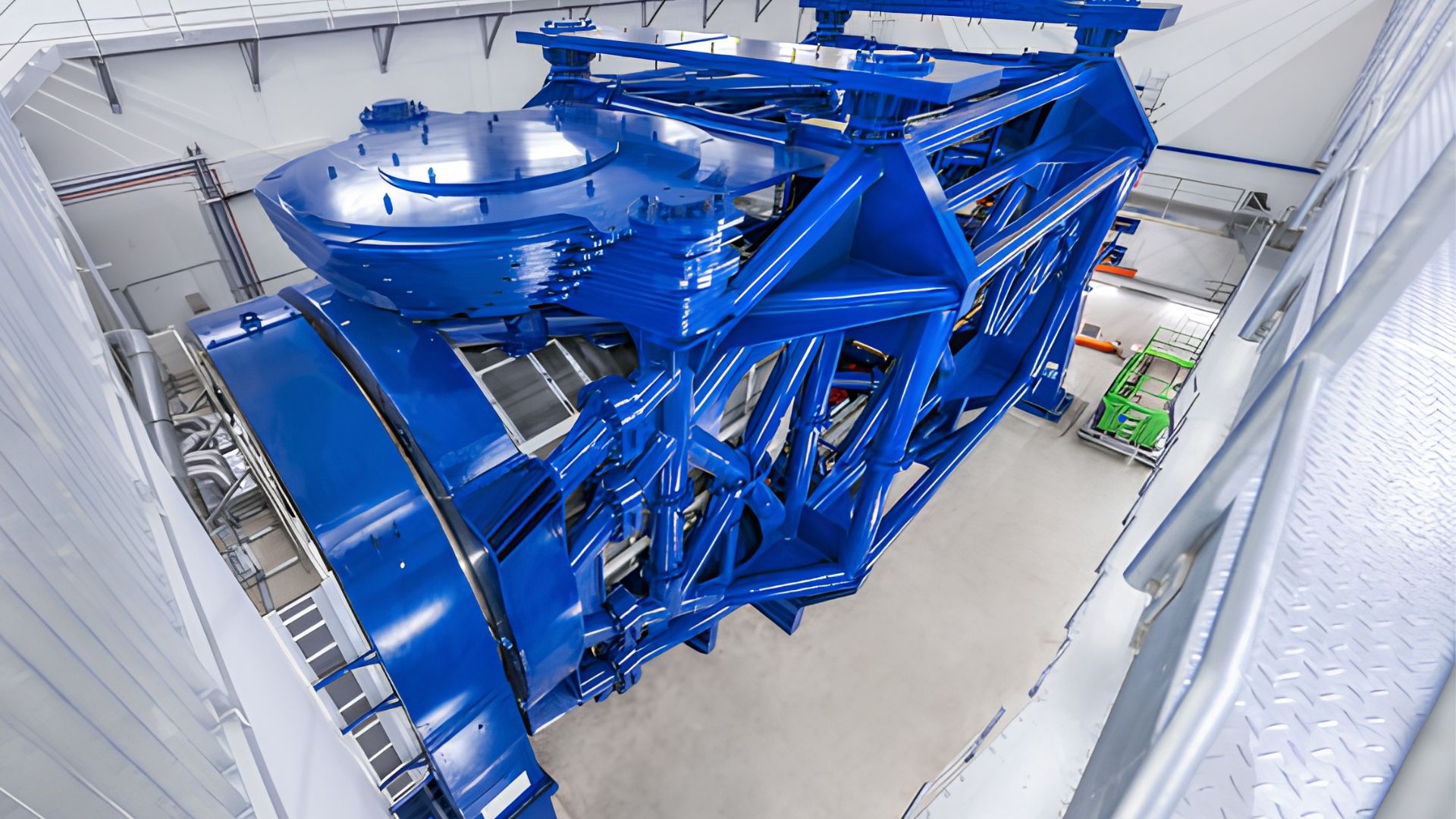
Heidelberg’s 670-ton, 25-meter medical machine rotates 360 degrees to target hard-to-reach tumors with ion beams without surgery.

-
3-Billion-Year-Old Crater May Be Earth’s Oldest Known, with Tiny Minerals Helping Scientists Solve a Billion-Year Mystery

-
Giant Asteroid Impact Crater in Australia Suggests Possible “Gold Rain” 790,000 Years Ago




If the plan goes forward, it will be the first newly constructed reactor in Japan since Fukushima.
The announcement represents a turnaround in the country’s energy policy, which seeks to ensure a stable electricity supply and reduce carbon emissions.
Reactors for a New Era
The reason for the change is clear: the growing energy demand driven by technologies such as artificial intelligence and data centers.
Japan, with limited natural resources and limited land, sees nuclear energy as a practical way to meet the new needs of the sector.
Kansai Electric President Nozomu Mori reinforced this point at a press conference in Osaka. “Nuclear power must continue to be used in the future,” he stated.
He emphasized the importance of ensuring continuous energy in a country with scarce natural resources.
The company intends to study the replacement of the old reactor No. 1 of the plant, which is currently being decommissioned. The evaluation is expected to take years, but the mere consideration has already stirred the market.
Immediate Reaction in the Market
The announcement directly impacted the stock markets. Kansai Electric’s shares rose by up to 5% on July 22. Other companies in the sector, such as Tokyo Electric Power Co. and Hokkaido Electric Power Co., recorded increases of 6.7% each. Mitsubishi Heavy Industries, a nuclear technology supplier, rose by 6.2%.
Mitsubishi is also directly involved in the project. Its new reactor model, the SRZ-1200, is the leading candidate for the Mihama project.
Hiroaki Kitaura, chief engineer and maintenance manager at the company, stated that the model is the most realistic among those evaluated. He emphasized, however, that the final decision depends on ongoing studies.
New Phase of Energy Policy
Currently, Japan has 33 reactors, but less than half are active. Since the 2011 disaster, the country has faced regulatory hurdles, high safety costs, and local resistance to restarting units.
Nevertheless, the scenario is beginning to change.
Support for nuclear energy is growing among young people and industrial leaders amid rising energy costs and global climate goals.
Trade Minister Yoji Muto did not directly comment on Kansai Electric’s plans. But he reaffirmed that the government will continue seeking more carbon-free electricity, encouraging investments, and strengthening the nuclear supply chain.
The Mihama project, if approved, will mark a new chapter for Japan. Once a symbol of nuclear risks, the country is now rehearsing a return to the center of the global energy discussion, driven by the era of artificial intelligence and the urgent need for clean electricity.