Portuguese
  Spanish




With Creativity and Public Science, Brazilian Researchers Create National Version of CAR-T Therapy for Hematological Cancer, Reducing Million-Dollar Costs and Putting Brazil at the Forefront of Accessible Medical Innovation.
Researchers from the Oswaldo Cruz Foundation (Fiocruz) are developing a low-cost version of one of the world’s most advanced cancer therapies in Brazil: CAR-T cell treatment. The initiative, carried out in partnership with the American organization Caring Cross, has made Brazil the first country in Latin America to locally produce this type of therapy, making it accessible and focused on hematological cancers such as leukemias and lymphomas.
The traditional CAR-T therapy, widely used in countries like the United States and Germany, can cost between US$ 400,000 and US$ 500,000 per patient. In the Brazilian model, this cost is reduced to about US$ 35,000, meaning the new option is up to 14 times cheaper than the international version. The cost reduction does not compromise the treatment’s effectiveness and could represent a revolution in access to cutting-edge medicine in middle and low-income countries.
What Is CAR-T Therapy?
CAR-T cell therapy involves genetically modifying the patient’s own T lymphocytes — immune system cells — so that they recognize and attack specific cancer cells. The process includes drawing blood from the patient, isolating the lymphocytes, modifying these cells with a chimeric antigen receptor (CAR), and reinfusing the reprogrammed cells back into the patient’s body.
-
Brazil Unveils Innovative Monitoring System to Prevent Abandonment of Public Works, Boosting Efficiency and Reducing Waste in Infrastructure Projects

-
AI Video Generator Automatically Creates Subtitles and Animated Captions

-
São Paulo Unveils Latin America’s Largest Underground Reservoir, Holding 900 Million Liters, in the Greater São Paulo Area

-
Chinese Teen Wins Gold in Germany for Invention Turning Air Moisture into Underground Irrigation in Drought-Stricken Areas





This approach has shown excellent results in combating hematological cancers, such as acute lymphoblastic leukemia (ALL) and B-cell lymphoma, especially in cases where patients do not respond to other forms of treatment, such as chemotherapy and bone marrow transplants.
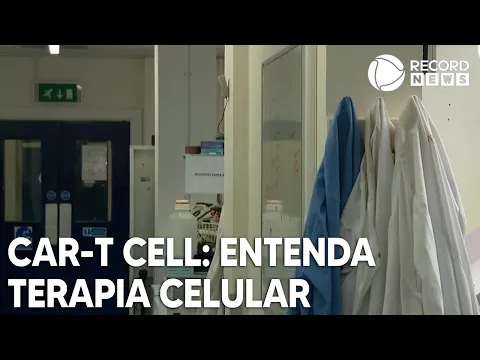

The Role of Fiocruz and the Brazilian Model
Fiocruz, one of the most respected health research institutions in Brazil, has adapted the production process of CAR-T therapy focusing on reducing operational costs. This was made possible by using simplified technologies, adapted automation, and highly skilled local labor at a lower cost compared to developed countries.
Changes in Manufacturing that Reduce Costs
One of the main innovations that allowed for the reduction of CAR-T therapy costs in Brazil was the simplification of the T cell selection process, an essential step for treatment efficacy. Instead of using specific chromatographic columns — an expensive method commonly employed in international laboratories — Brazilian researchers adopted the use of soluble antibodies, which perform the same function in a more cost-effective and less technically complex manner.
Additionally, high-yield viral vectors, needed to genetically modify cells, are provided by Vector BioMed — a company spun off from Caring Cross — at costs up to 50% lower than those charged by traditional suppliers. This combination of accessible technology and process engineering has made local production of the therapy feasible within a much lower budget than the international standard.
The “Brazilian way” in this context does not mean improvisation, but rather creativity applied to science, with ingenious solutions to make a therapy that was previously limited to elite hospitals viable. The project also has the support of the Ministry of Health and aims to integrate the therapy into the Unified Health System (SUS) in the future.
Fiocruz’s Partnership with Caring Cross
The American organization Caring Cross, a non-profit, is responsible for providing the foundational technology for the development of CAR-T. The model adopted in Brazil has served as a pilot project to bring the therapy to other resource-limited countries, such as Turkey, India, and regions of the Middle East.
The idea is to create a global network for local production of CAR-T therapy, reducing dependence on large pharmaceutical companies and enabling the population’s access to cutting-edge treatment.
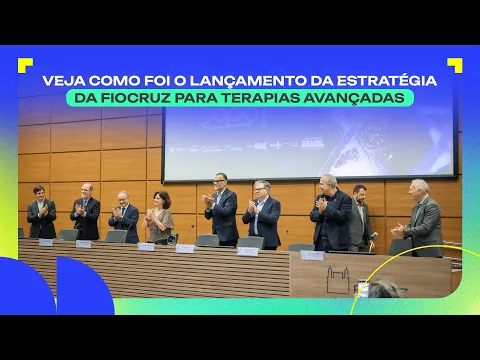
The Cost Difference
In the United States, a single application of CAR-T therapy can exceed R$ 2.5 million. In Brazil, with Fiocruz’s new model, this cost drops to about R$ 190,000. The difference in costs can make it feasible to treat thousands of patients who otherwise would never have access to the technology.
In addition to direct savings on treatment, the Brazilian model also reduces indirect costs, such as prolonged hospital stays, adverse effects, and new medical interventions. By making the therapy more accessible, researchers hope to alleviate the healthcare system and significantly improve survival rates in challenging cancers.
Public Science in the Spotlight
The advancement of CAR-T treatment in Brazil also reignites the debate about the role of public scientific research in medical innovation. While high-cost treatments developed by private laboratories are inaccessible to most of the population, Fiocruz’s initiative demonstrates that it is possible to democratize access to advanced biotechnology when there is funding, infrastructure, and social commitment.
The collaboration between Brazilian and foreign scientists reinforces the importance of international cooperation in healthcare, especially in light of global challenges such as cancer and other diseases.
Reference:
Ledford, H. (2025). Brazil’s Low-Cost CAR-Ts Take on Global South. Nature Biotechnology, 43, 653–654.