Portuguese
  Spanish


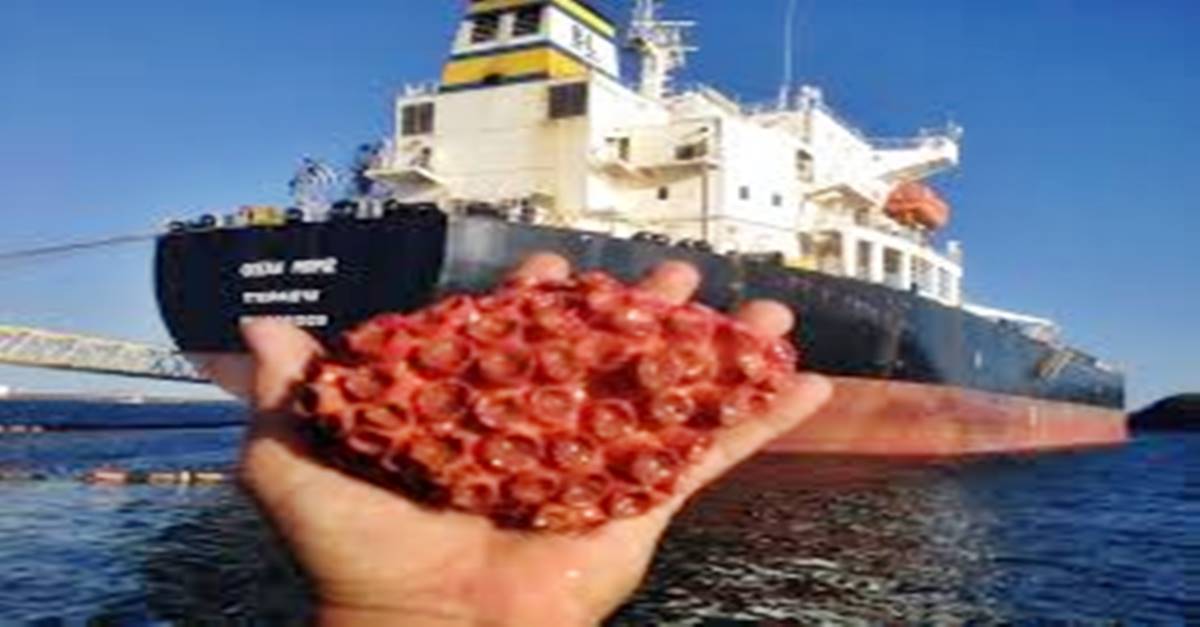

One of Petrobras’s Biggest Enemies Today Strikes Again, This Time in Sergipe’s Offshore Platforms
Petrobras has 74 fixed platforms scheduled for decommissioning starting in 2021. However, the state-owned company will have to face a fierce enemy, the sun coral. Engineering Company Focused on the Oil and Gas Sector Opens Many Job Opportunities for Welder, Welding and Painting Inspector, Boilermaker, and More Positions
Read Also
- Petroserv Announces Job Vacancies in Macaé for Offshore Contracts on Drilling Rig, Today July 21
- Job Vacancies at Jurong Aracruz Shipyard, Espírito Santo, Today July 20, for the Positions of Deckhand and Accounting Analyst
- Petrobras Will Resume Manufacturing Its Own FPSOs and Shipyard EBR Is One of the Pre-Qualified.
- Ecovix Shipyard Will Generate About 5,000 Job Vacancies with the Construction of the POLAR Ship for the Brazilian Navy
Petrobras has already lost the first battle, as following an action by the Federal Public Ministry of Sergipe, the Federal Court ordered the company to develop an emergency plan to combat harmful corals to the environment of the sun coral species on the company’s platforms operating in Sergipe’s waters.
According to the decision of the Federal Public Ministry of Sergipe, Ibama will monitor the process and the execution of Petrobras’s plan and must issue quarterly reports.
-
Seals and Sea Lions Lose Habitat and Food as Climate Change Advances, Impacting Ice, Prey, and Coastal Communities

-
Brazilian Innovator Uses 3D-Printed Device to Cool Two Rooms with One Air Conditioner
-
China Uses 432 Robots to Move a 7,500-Ton Historic Building in Shanghai, Preserving Architecture While Creating Space for Underground Center
-
Dutch Initiative Swaps Cigarette Butts for Food to Clean Streets, Combat Pollution, and Turn Waste into Recycled Furniture


Petrobras and the Sun Coral
Originating from the Pacific Ocean, the sun coral was first observed in the 1980s on oil platforms in the Campos Basin, Rio de Janeiro. Initially, the sun coral invaded rocky shorelines along the coasts of five Brazilian states: Rio de Janeiro, São Paulo, Santa Catarina, Espírito Santo, and Bahia, and later, it was reported by the IBAMA on oil platforms in Sergipe and, more recently, on oil platforms in the Abrolhos bank in the state of Espírito Santo.
The sun coral is an efficient invader, with rapid growth and early reproduction, capable of establishing or invading new environments along the Brazilian coast, demonstrating its invasive prowess.
The sun coral modifies its own environment, enhancing and promoting its permanence, producing harmful chemicals and excluding native flora and fauna.
Petrobras acknowledged the existence of the sun coral in March 2014, but refused to implement control and eradication measures for the species. At that time, the company stated that the effects were still unknown and that no damage to the environment or human health had been found that would justify action on the part of the company.
Petrobras had all its arguments rejected by Ibama, which ordered the company to present an emergency plan and an eradication schedule for the sun coral within 30 days.