






 Portuguese
  Spanish
  4 min of reading
  0 comments


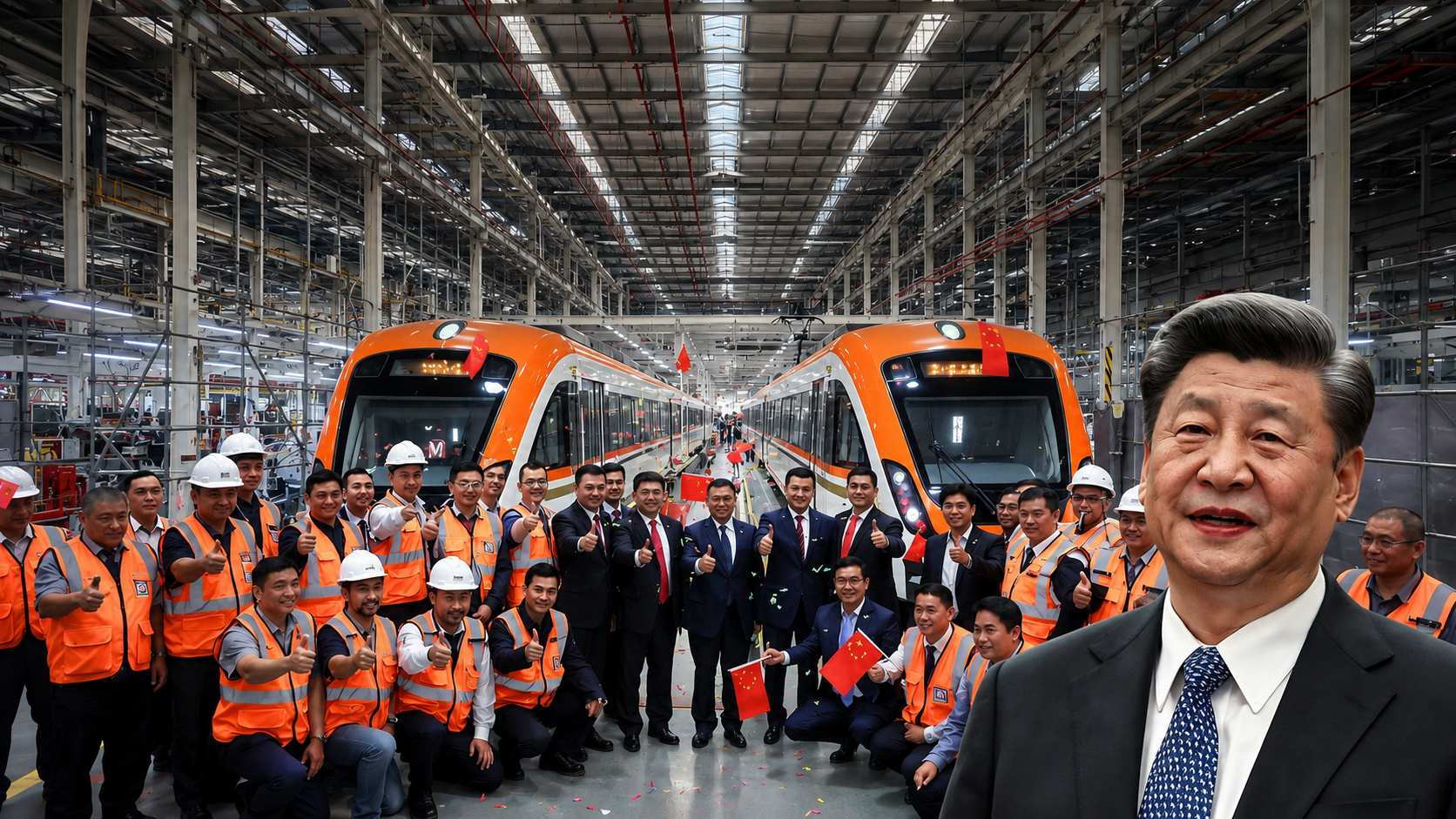
CRRC modernizes Line 1 of the Mexico City metro, with 18.83 km, 20 stations, new trains, CBTC, and a 19-year contract.
China has entered the heart of the Mexico City metro through one of the most symbolic doors: Line 1, the oldest in the system, inaugurated in 1969. The modernization was undertaken by CRRC, a Chinese state-owned railway equipment giant, in a project that involves new trains, tracks, electrical systems, signaling, automatic control, and long-term maintenance.
According to CRRC itself, Line 1 has 18.83 km, 20 stations, and can transport more than 1 million passengers per day. The company states that this is its first international project of the “system+” type, a model in which the company not only delivers trains but participates in the integrated modernization of the system and maintenance for 19 years.
Line 1 of the Mexico City metro becomes a showcase for Chinese railway engineering in the Americas
The project is not limited to replacing old compositions with new trains. The official record of the Proyectos México platform describes the modernization of the Line 1 Pantitlán-Observatorio as an intervention in trains, control system, tracks, electrical and electronic systems.
-
Retired trains leave European tracks and become tons of steel, aluminum, and copper in dismantling yards where recycling exceeds 90%, but batteries, composites, and electronics create a new frontier of railway waste.

-
The strategic railway of Santa Catarina will receive R$ 608 million, will undergo historic modernization, and could transform logistics between Mafra and the Port of São Francisco do Sul.
-
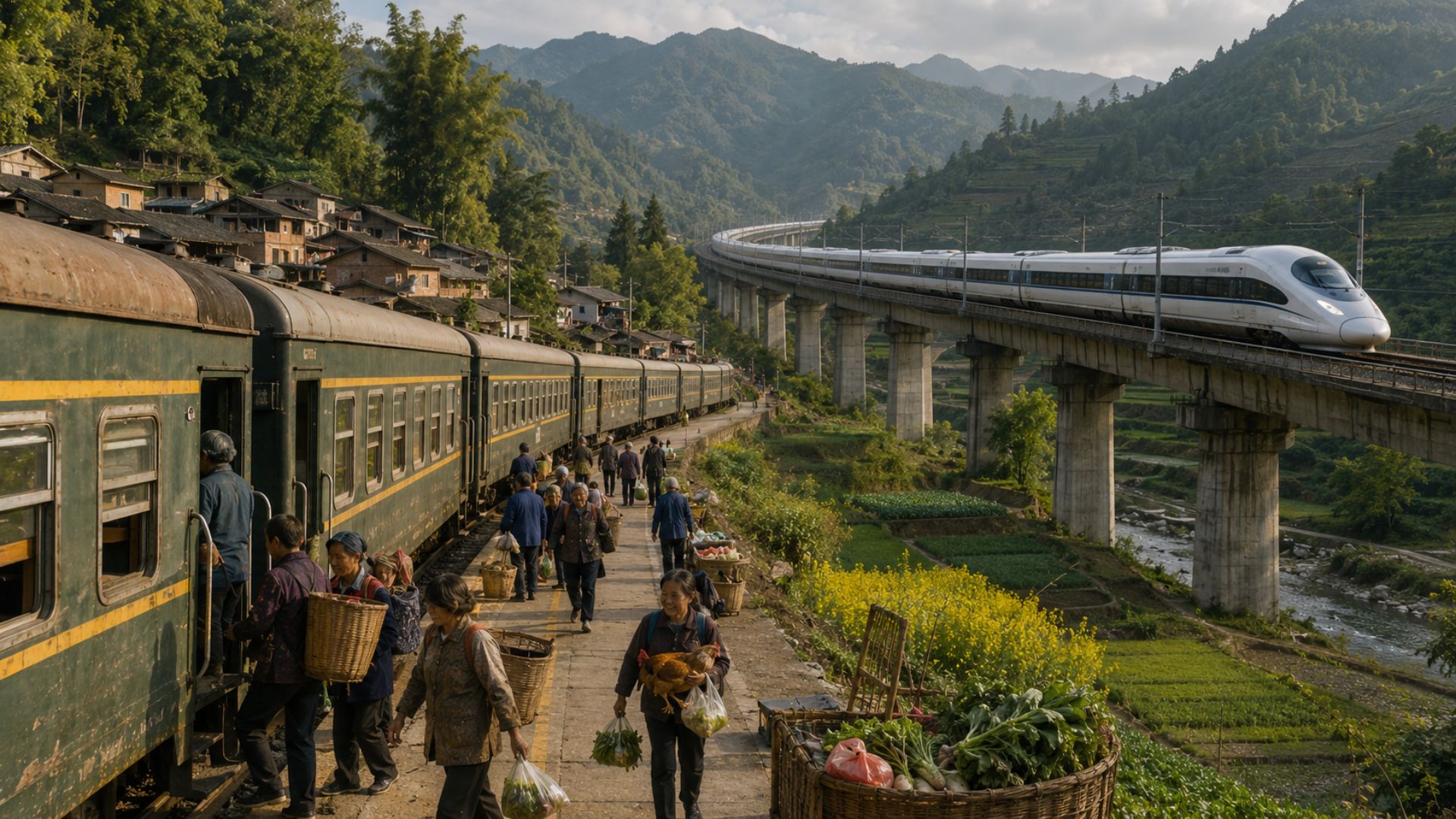
While showcasing bullet trains traveling at over 300 km/h, China maintains about 81 slow train lines that travel at 40 km/h, charge less than R$ 2 for a ticket, and cross remote villages carrying residents, students, and even chickens and vegetables to the market.

-
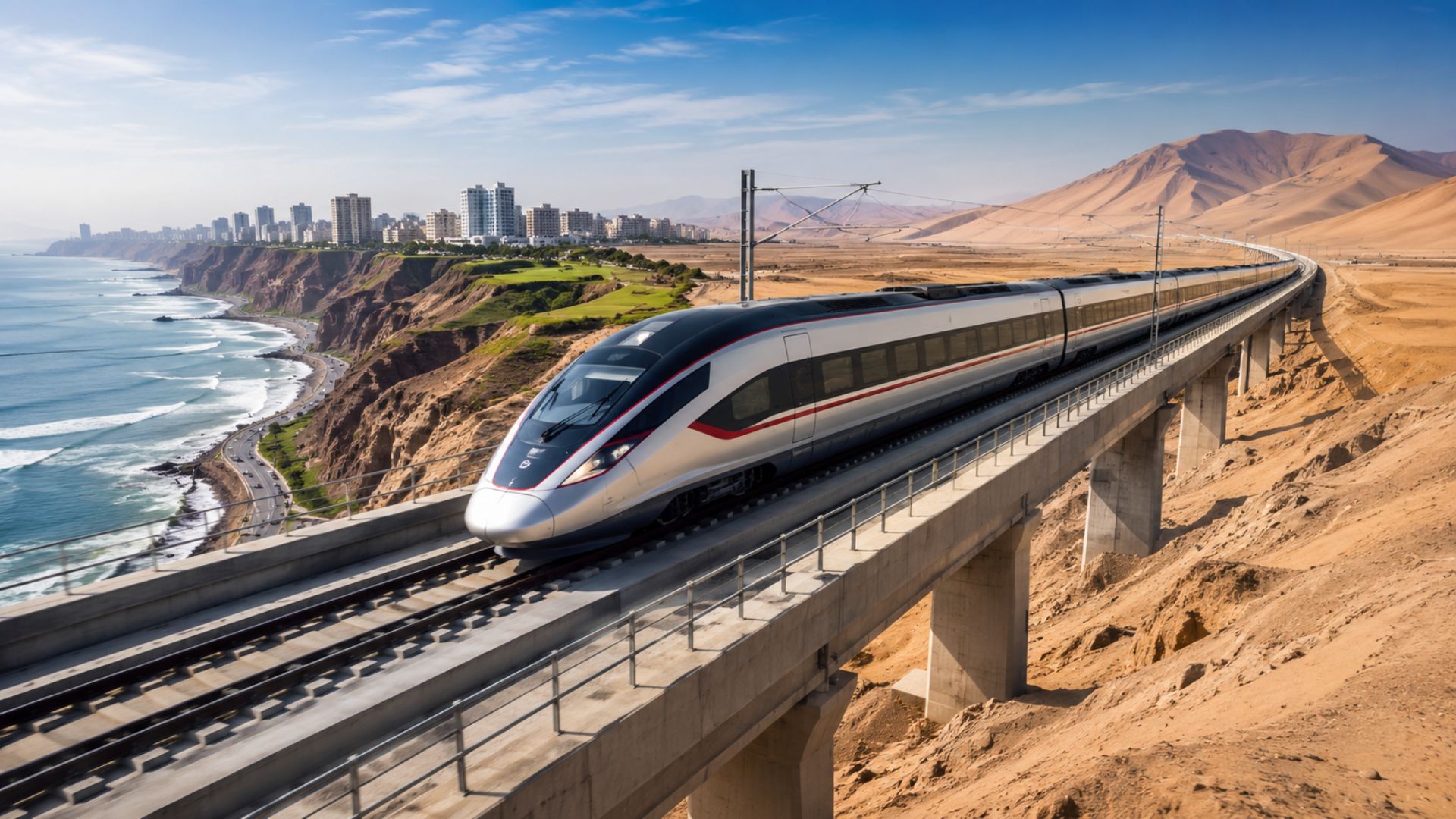
Peru plans to build, with Chinese technology and capital, what is intended to be the fastest train in South America, a high-speed line between Lima and Ica at up to 200 km/h, but the $6.5 billion project is only expected to be completed around 2032.


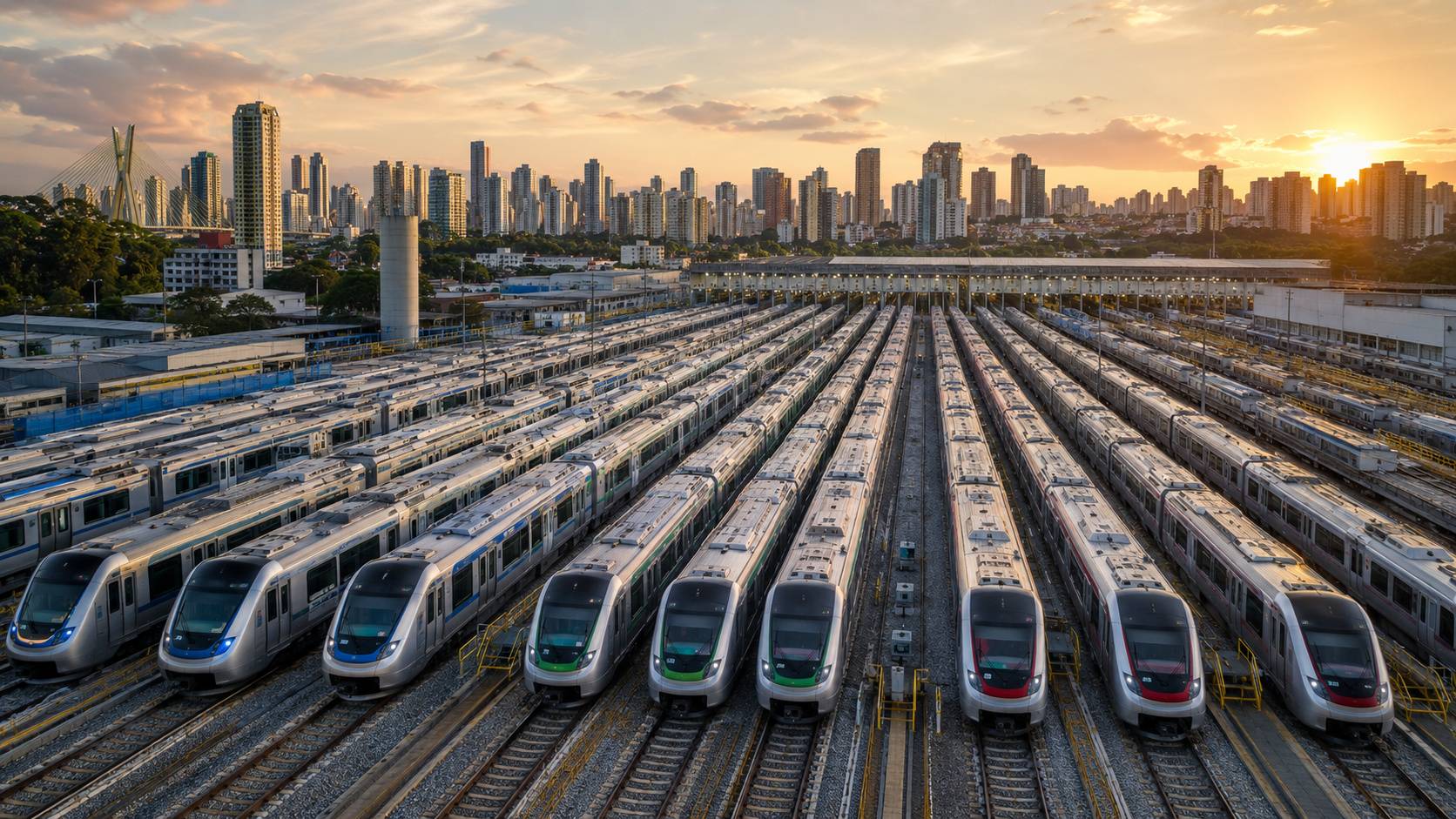
The contract includes the supply and commissioning of 29 new trains, each with 9 pneumatic wheel cars, as well as preventive and corrective maintenance of these compositions and 10 existing NM16 trains.
In practice, CRRC did not just enter as a supplier of wagons. The company began to operate in one of the most sensitive structures of Mexican mobility, precisely on the historic line that connects central areas and strategic terminals of the capital.
19-year contract includes trains, tracks, CBTC, electrical systems, and maintenance
The strongest point of the agenda is the term. The official project record reports 19 years of contract, with implementation, modernization, and maintenance services. The model provides for 3.5 years of implementation, followed by train and track maintenance for 7 years and control system maintenance for 15 years.

A modernization also replaces the old automatic piloting system with a new control system based on continuous communication, the CBTC, a standard used to improve operational control, frequency, and safety in metro railway systems.
This point makes the project more aggressive than a simple public purchase. China becomes involved in the infrastructure, operational technology, and maintenance cycle of a line that carries millions of trips throughout the year.
Investment exceeds 16.5 billion Mexican pesos in urban mobility project
The Proyectos México platform reports an estimated investment of 16.574 billion Mexican pesos, equivalent to about US$ 858.7 million according to the exchange rate used in the project’s own file.
The project was classified as brownfield, meaning a heavy modernization of existing infrastructure, not a line built from scratch. This increases complexity because the intervention occurs in an old, urban, busy, and essential system for the routine of the Mexican capital.
The official objectives include increasing transport capacity, improving service quality, reducing travel times, increasing train frequency, reducing maintenance costs, and decreasing electricity consumption.
NM22 trains arrive with CBTC, intelligent operation, and speed of up to 80 km/h
CRRC states that the NM22 trains developed for Line 1 received improvements in safety, comfort, energy efficiency, and environmental performance. The compositions are equipped with CBTC system and intelligent operation technologies.


According to the company, the new trains can reach a speed of up to 80 km/h. This data is relevant because it shows that the modernization does not only target internal appearance or visual renewal but also technical performance and operational control.
The complete reopening of the line occurred after the inauguration of the Juanacatlán-Observatorio section, on November 16, 2025, when the 20 stations began operating again, according to a statement from CRRC.
China transforms a 1969 line into an export railway laboratory
Line 1 began operating in 1969 and became one of the most important lines of the Mexican metro. By undertaking its modernization, CRRC introduced Chinese technology into an old, high-demand, and highly visible Latin American system.
The company claims that during the project, it delivered 15 trains with 135 cars, developed over 100 local suppliers, trained nearly 300 Mexican technicians, and generated about 1,500 jobs. These numbers are presented by CRRC itself and should be treated as company data.
China is not just selling trains. It is using large urban systems in Latin America as a showcase to export a complete package of engineering, financing, technology, maintenance, and assisted operation.
Mexican metro shows Chinese advancement in Latin American urban infrastructure
The case of Mexico City connects to a larger trend. Chinese companies have been expanding their presence in metros, urban trains, monorails, and railway projects in Latin America, with contracts that often involve not only rolling stock but also systems, maintenance, and technical transfer.

In the Mexican Line 1, the advancement is especially symbolic because it occurs within one of the most well-known and busiest metro systems in the region. It is an old, central line that is crucial for the daily mobility of the capital.
The direct question remains: if China is already modernizing one of the most historic lines of the Mexican metro, how many other urban networks in the Americas will still depend on Chinese railway technology to move out of backwardness?







Be the first to react!