






 Portuguese
  Spanish


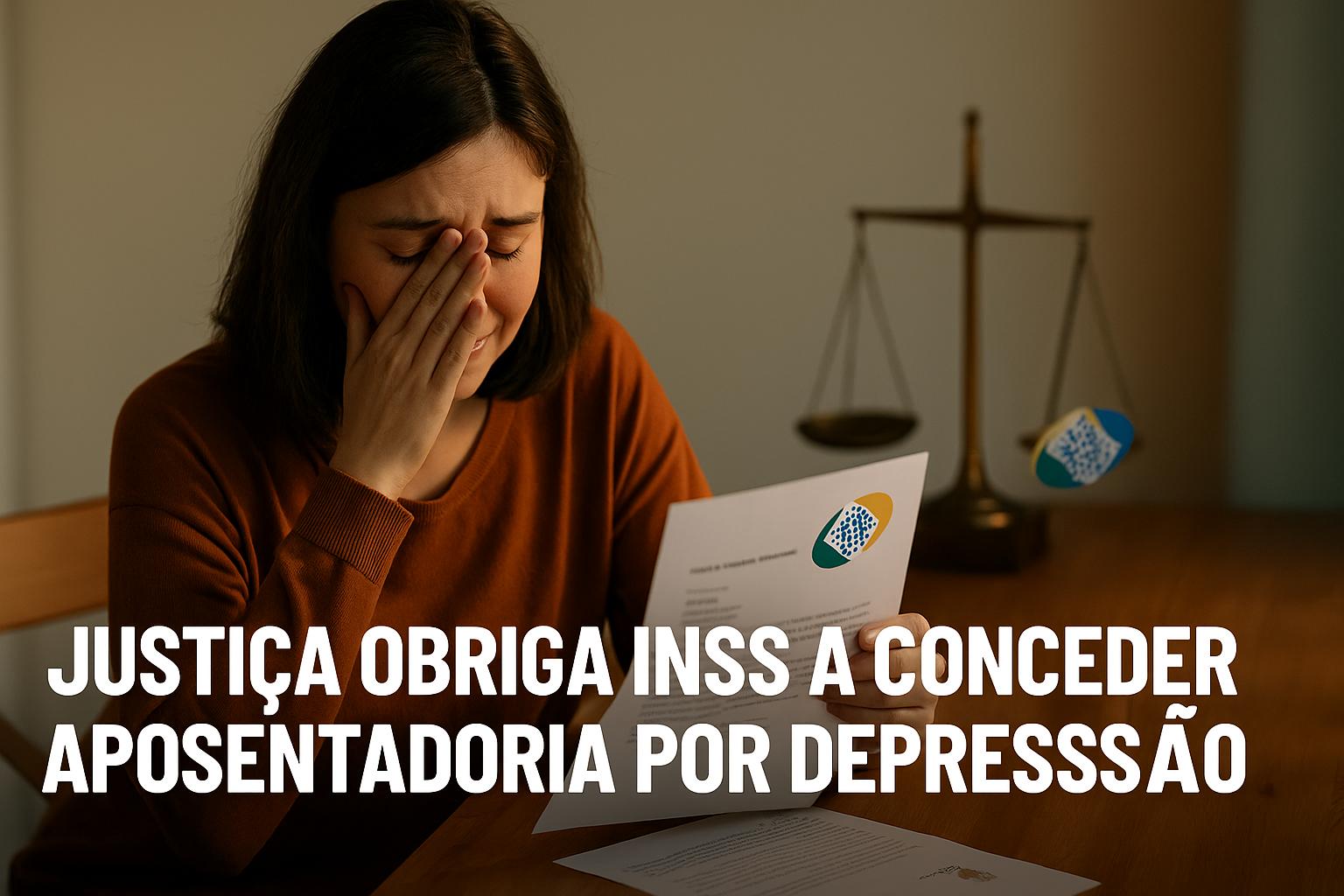

Federal Court Recognizes Depression as Cause of Total Disability and Orders INSS to Grant Disability Retirement to Woman; Decision Reinforces Rights of Those Suffering from Mental Disorders.
In October 2025, a decision by the Federal Court of the 3rd Region (TRF3) determined that the National Institute of Social Security (INSS) should grant disability retirement to a woman diagnosed with severe depression, recognizing that the illness, even if of mental origin, is sufficient to generate total and permanent incapacity for work when it reaches a certain level of impairment.
The case was analyzed by the 10th Panel of TRF3, which upheld the favorable ruling to the insured person after a medical examination confirmed persistent depressive disorder and disabling symptoms. According to the report, the woman presented a clinical profile consistent with recurrent episodes of severe depression, with a continuous need for psychiatric treatment and controlled medication.
The Judicial Decision and the Foundations of TRF3
The rapporteur emphasized that, according to Article 42 of Law No. 8,213/1991, disability retirement must be granted when the insured person, after a medical examination, is considered incapable of work and without conditions for rehabilitation in another function that guarantees their livelihood.
-
Dismissing a retired worker or one eligible for retirement constitutes ageism and creates a duty to compensate: a unanimous decision by the TRT mandates reinstatement to employment, payment of back wages, and upholds compensation of R$ 15,000 for discrimination.

-
Work less and produce more? Nobel Prize in Economics explains why shorter workdays can increase productivity

-
Unions are growing again in Brazil after more than a decade, but they face an urgent challenge to win back digital workers and maintain relevance.
-
From the typewriter to the home office: how work has changed and why new generations think differently


The judge also stressed that mental and emotional disorders, such as depression and anxiety disorder, cannot be underestimated in medical examinations, as they cause functional limitations as serious as physical illnesses.


The technical report confirmed that the insured person presented emotional instability, recurrent crises, social isolation, and lack of concentration, elements that made it impossible to perform any regular work activity.
“Mental illnesses, when they reach a level of functional impairment, must be treated with the same seriousness as physical illnesses. The incapacity, in this case, is evident,” pointed out the rapporteur of the 10th Panel in their decision.
Based on these elements, the court determined the immediate implementation of permanent disability retirement, retroactive to the date of the judicial examination, guaranteeing the insured person the right to receive back payments and exemption from periodic examinations, given the irreversibility of the clinical condition.
What the Law Says and Who is Entitled
Disability retirement, now called permanent disability retirement, is granted to the insured person who becomes totally and permanently incapable of work.
Among the most recognized diseases in the courts are: severe depression, bipolar disorder, schizophrenia, chronic anxiety, and panic syndrome — provided they are evidenced by medical examination and consistent psychiatric reports.
The INSS requires that the insured person has made at least 12 monthly contributions before the disability, except in cases of listed accidents or serious illnesses. It is also necessary that the incapacity prevents any form of work activity, including those compatible with professional rehabilitation.
The Importance of Judicial Recognition
The decision reinforces a growing trend in Federal Court: recognizing depression as a legitimate cause of total disability.
According to data from the World Health Organization (WHO), about 12 million Brazilians suffer from depression, and the disorder is one of the main causes of work absenteeism in the country.
Many insured persons still face resistance from the INSS in administrative requests, being forced to resort to the judiciary.
According to specialists, recent judicial decisions have strengthened the understanding that mental health should be treated as a matter of real and lasting incapacity, especially when there are reports and continuous medical follow-up.
Those facing a similar situation can apply for the benefit through the Meu INSS website or app, attaching medical reports, prescriptions, tests, and psychiatric certificates that prove the diagnosis and limitations.
If the request is denied administratively, the insured person can file a judicial action, and, if incapacity is proven, the court may order immediate payment of the benefit.








