Portuguese
  Spanish


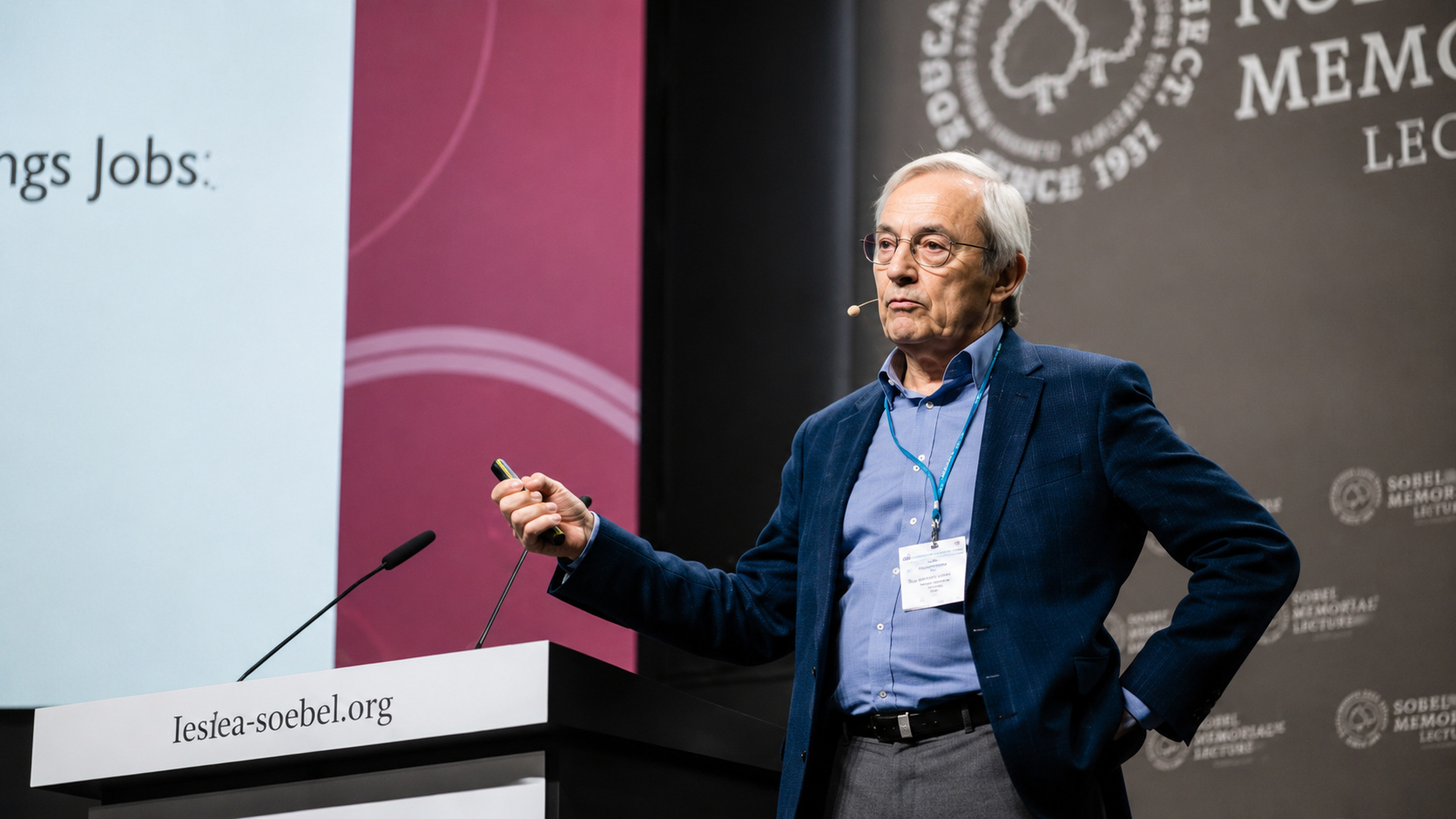

Christopher Pissarides assesses that shorter workdays can improve performance, but warns that the reduction of working hours needs to be discussed with balance
A discussion about working hours has gained momentum following statements by Christopher Pissarides, winner of the 2010 Nobel Prize in Economics. The professor from the London School of Economics stated in an interview that people tend to be more productive when they work fewer hours per day and per week. The assessment reignites the debate on reducing working hours, productivity, and collective bargaining, especially at a time when changes in work schedules appear more frequently in economic and labor discussions.
Reduction of working hours requires dialogue with companies and workers
Pissarides’ analysis is based on the idea that the reduction of working hours occurs periodically throughout history. For the economist, this movement should continue but cannot be directly imposed by the government. The Nobel laureate argues that companies, workers, and representatives of the productive sector should be heard before any changes. This position reinforces the need for negotiation, as changes in working hours affect costs, productivity, internal organization, and professional relationships.
Higher productivity does not mean automatic inflation
The relationship between shorter workdays and inflation was also contested by the professor. Pissarides states that it is wrong to immediately conclude that reducing work schedules would cause a widespread increase in prices. According to him, the impacts vary according to the economic conditions of each country and each sector. Therefore, changes in working hours need to be analyzed within a broader context, without hasty conclusions and without simplifications about their effects.
-
Dismissing a retired worker or one eligible for retirement constitutes ageism and creates a duty to compensate: a unanimous decision by the TRT mandates reinstatement to employment, payment of back wages, and upholds compensation of R$ 15,000 for discrimination.

-
Unions are growing again in Brazil after more than a decade, but they face an urgent challenge to win back digital workers and maintain relevance.

-
From the typewriter to the home office: how work has changed and why new generations think differently
-
Work on holidays changes in Brazilian commerce and new rule targets supermarkets, pharmacies, retailers, and companies under mandatory collective bargaining agreement.



Hourly payment transfers risk to the worker
The model of remuneration per hour worked also received criticism from the economist. For Pissarides, this format can transfer part of the business risk to the employee, when this responsibility should remain with the company. During the interview, he stated that “the business risk is the company’s”, emphasizing that the worker should not assume instabilities inherent to business activity. The criticism broadens the debate on contracts, salaries, and protection in labor relations.

Collective bargaining gains strength in the Nobel’s view
Pissarides also positioned himself against individualized negotiation of contracts, rights, and duties for the majority of employees. In the professor’s assessment, the worker usually occupies a position of lesser strength compared to the company, which reduces their bargaining power. For this reason, he advocates that professional unions conduct collective agreements to represent the mass of workers. The collective model, according to him, offers greater balance in decisions involving labor rights.
Senior positions follow a different negotiation logic
The exception pointed out by the economist involves senior positions and management roles. For Pissarides, professionals in positions of greater autonomy already negotiate their working conditions individually, and this model can be maintained in these cases. The difference, according to his analysis, lies in the level of bargaining power of these workers. For the majority of employees, however, collective bargaining remains the path considered most appropriate.
The future of the workday in debate
The statements of Christopher Pissarides place productivity at the center of a discussion involving companies, unions, workers, and governments. The reduction of the workday appears as a possible trend, but it depends on dialogue and careful economic analysis.
As the topic advances in public debate, one question remains: can shorter workdays become a natural change in labor relations without compromising companies and workers?