Portuguese
  Spanish


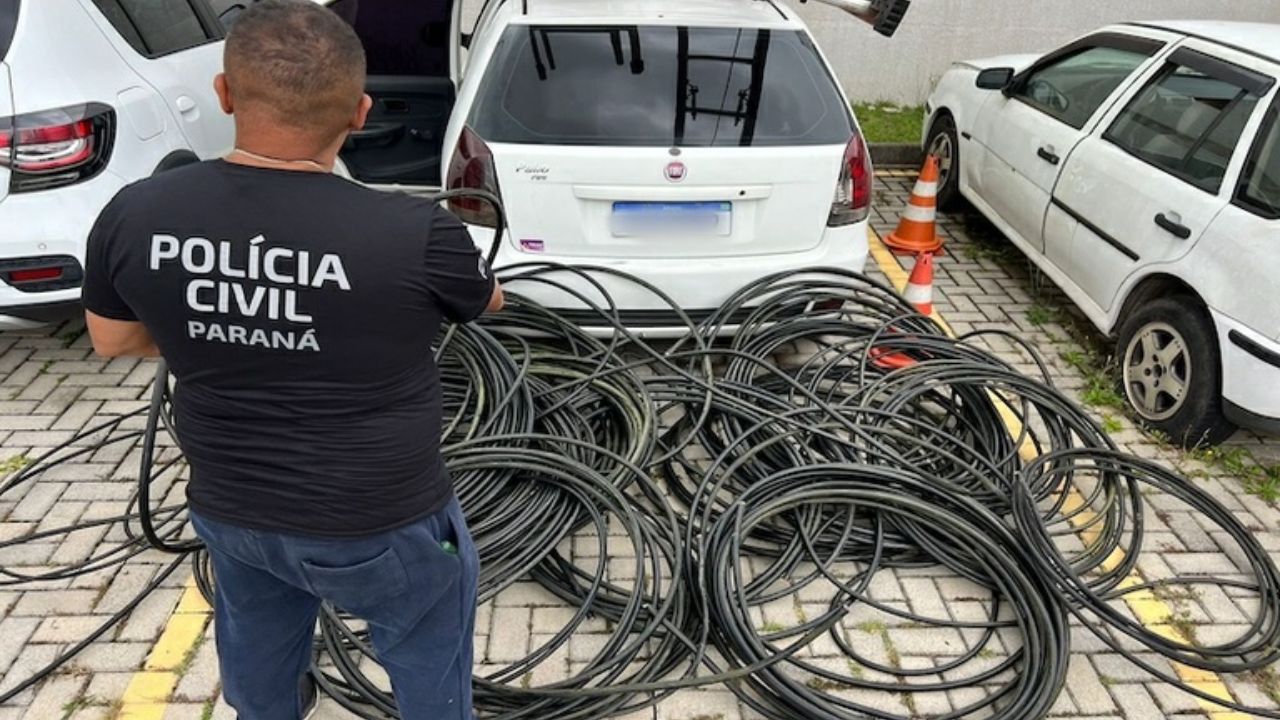


Law 15.181/2025 Enacted in 2025 Increases Penalties for Theft and Burglary of Electrical and Telecommunications Cables, in Addition to Creating New Punishments for Receiving Stolen Goods. Learn More About the Impacts of This Measure.
The Law 15.181/2025, enacted by President Luiz Inácio Lula da Silva and published on July 28, 2025, brings significant changes to the punishment of crimes involving the theft and burglary of electrical and telecommunications cables. Now, the penalties for these offenses can reach up to 15 years in prison, a substantial increase from the previous legislation.
This measure was adopted in response to the rising number of thefts of essential cables for the provision of services such as electricity and telecommunications in Brazil, which have caused considerable financial and social harm.
The change in the Penal Code was motivated by the need to combat criminal gangs that specialize in this type of crime, often targeting materials such as copper and aluminum found in cables, which have high value in the illegal market.
-
Seniors Over 60 Can Travel for Free Across Brazil: Elderly Statute Ensures Two Free Bus Seats and 50% Discount When Full for Low-Income Passengers

-
Detran RJ starts requiring a toxicological test for those obtaining their first driver’s license in the car and motorcycle category starting June 29; see who will be affected.

-
Florida takes TikTok to court and accuses the Chinese giant ByteDance of ignoring the law that bars minors under 14, while parents and authorities demand more protection for children on social networks.
-
Chamber approves constitutional amendment reducing the age of criminal responsibility from 18 to 16 years; what now?




The new legislation not only toughens the penalties but also creates new penalties for those who commit these crimes or sell the stolen items.
What Does Law 15.181 Change in the Punishment of Theft and Burglary Crimes?
With the enactment of Law 15.181, the penalties for theft of electrical and telecommunications cables have been increased.
According to the previous Penal Code, theft was punishable by 4 to 10 years.
Now, the penalty can be increased by one third to half when the crime involves essential equipment, such as electricity, telecommunications, or data, potentially reaching up to 15 years of imprisonment, depending on the severity of the offense.
Additionally, the penalty for burglary of cables and similar materials has also been altered. Previously, the Penal Code provided for a punishment of 1 to 4 years.
Now, the penalty for anyone who steals electrical or telecommunications cables, or any other material that affects the operation of essential services, can range from 2 to 8 years.
The new legislation aims to discourage this criminal practice that undermines the quality and continuity of fundamental services for society.
Receiving Stolen Cables Also Has Stricter Penalties
Another important aspect of Law 15.181 is the tightening of penalties for the receiving of stolen wires and cables.
Previously, the penalty for anyone who purchased or sold stolen materials ranged from 1 to 4 years in prison.
With the new law, this penalty can be doubled if the receiving involves energy cables, telecommunications, or equipment used for data transmission or railway transport.
This aims to weaken the black market that fuels the theft and robbery of cables.
Penalties for Companies That Use Stolen Materials
Law 15.181 also has a significant impact on companies that contract public services, such as telecommunications firms, that may use stolen wires or cables.
These companies can face severe penalties, including fines, temporary suspension of activities, and even market exclusion, if they engage with equipment derived from crimes.
The law makes it clear that companies using stolen materials to provide services to the public or the public sector may be considered clandestine.
This change aims to increase oversight and hold companies accountable that do not ensure the origin of their products, strengthening the commitment to legality and ethics in business.
Vetoes and Justifications from the Executive
Although Law 15.181 was widely approved in Congress, the Executive Branch vetoed two points of the bill.
The first vetoed provision dealt with the suspension of services provided by companies affected by the theft or burglary of cables.
The veto was motivated by concerns that the measure could compromise the quality and safety of services by allowing companies to fail to comply with their regulatory obligations without adequate justification.
The second veto referred to the amendment of Law 9.613, from 1998, which addresses money laundering.
The original proposal increased the penalty for concealing the origin of assets obtained through crimes.
The Executive understood that this change would weaken the existing legal tools for combating money laundering in Brazil, and therefore decided to veto it.
Impact of Law 15.181 on Infrastructure and the Economy
The increase in penalties for theft and burglary of energy and telecommunications cables aims to protect Brazil’s critical infrastructure, which has been targeted by ongoing attacks from criminal groups.
The theft of these materials has caused millions in damages to both private companies and public agencies, as well as directly affecting the population, which faces service outages in electricity and telecommunications.
In some regions, interruptions in electricity supply or communication services have caused disruptions for the population and businesses, negatively impacting the local economy.
The new legislation, therefore, aims to mitigate these problems by increasing the severity of penalties for offenders and holding companies involved more accountable.
Why Is Law 15.181 Important?
Law 15.181 represents a response to a growing problem in Brazil, which is the theft of cables and infrastructure equipment.
These crimes not only cause economic harm but also compromise the safety and quality of life of the population by interrupting essential services.
The toughening of penalties for theft, burglary, and receiving stolen cables is a measure aimed at discouraging these crimes and combating organized gangs that operate in this type of illicit activity.
Additionally, holding companies accountable that use stolen materials is a way to ensure that business activities in the telecommunications and energy sectors are conducted ethically and legally, without contributing to the illegal cable and wire market.
The Law 15.181 is an important milestone in combating crimes involving the theft and burglary of electrical and telecommunications cables in Brazil.
With increased penalties, the creation of new punishments, and holding companies accountable, the legislation seeks to protect the country’s infrastructure, ensuring essential services to the population and combating criminal activities that directly affect the economy and social well-being.
Source: Senate