Portuguese
  Spanish


Restoration at St. Rumbold’s Cathedral in Mechelen revealed an ancient wall under the floor of the north wing and raised the hypothesis of a Romanesque church prior to the current Gothic temple
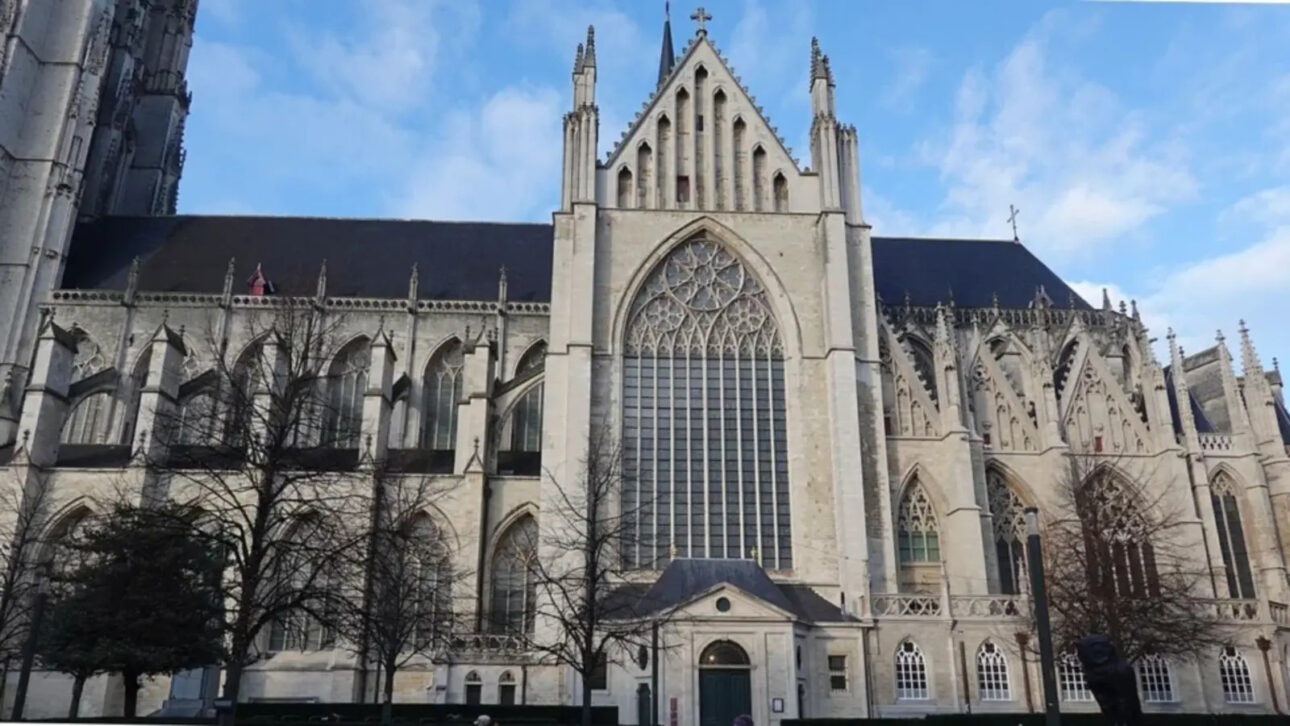
Restoration works at St. Rumbold’s Cathedral in Mechelen, Belgium, revealed traces of a possible lost medieval church under the floor of the building’s north wing. The discovery occurred during archaeological excavations linked to the monument’s recovery project, whose tower has been a UNESCO World Heritage site since 1999.
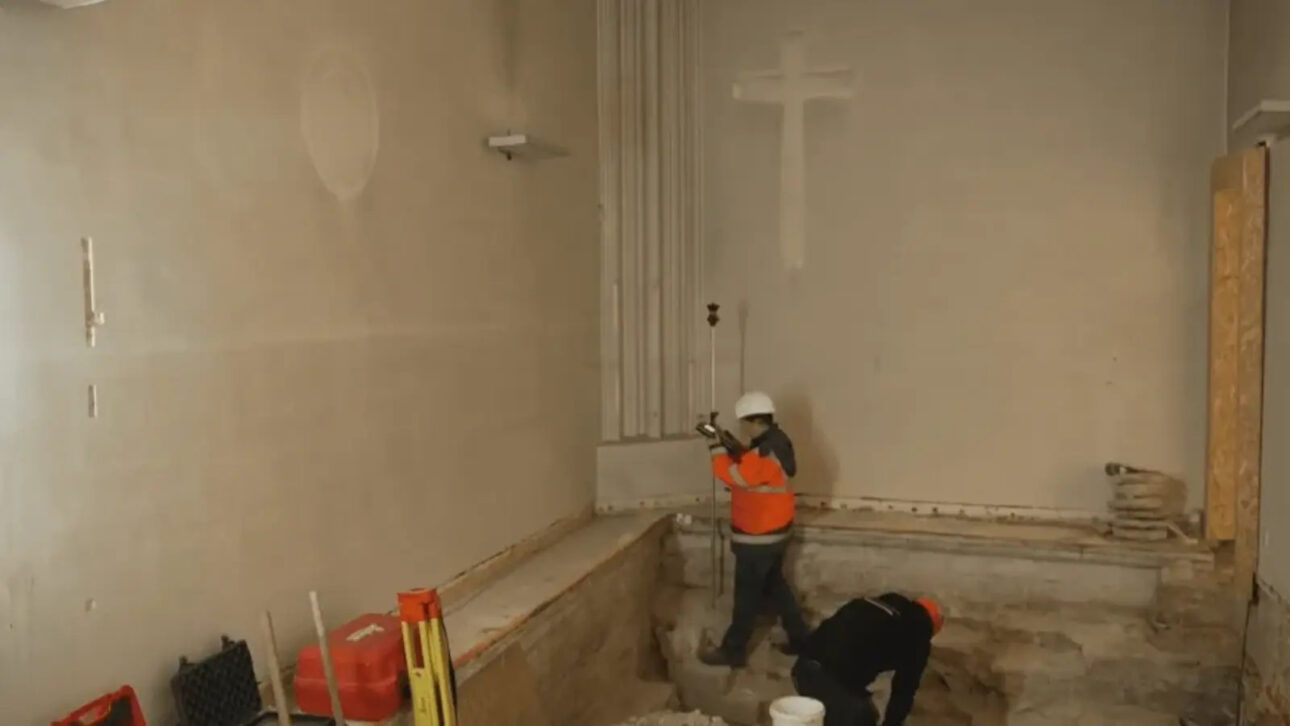
Restoration revealed structures below the cathedral floor
The intervention at St. Rumbold’s Cathedral began as part of a restoration work but gained archaeological importance after opening areas in the subsoil of the north wing.
The investigated point is located below the chapter house, a building historically linked to the meetings of the priests responsible for the cathedral’s administration and liturgy.
-
Taiwan Invests $2.3 Billion to Produce 66 Brave Eagle Jets Domestically, Showcasing Technological Autonomy Amid Chinese Pressure

-
Microsoft Reveals Windows Setting to Safely Remove USB Drives and Prevent Data Loss
-
Astronomers Discover Two Giant Planets with Cotton Candy-Like Density, Comparable in Size to Jupiter, Orbiting a Star 1,110 Light-Years Away
-
Meteor Showers and Full Moon Create Rare Celestial Display Over Brazil in Late July



During the excavations, archaeologists found layers of rubble with ceramics and construction materials associated with the 16th and 17th centuries.
These elements indicate that the area underwent significant renovations during that period, before the team reached the deeper layers.
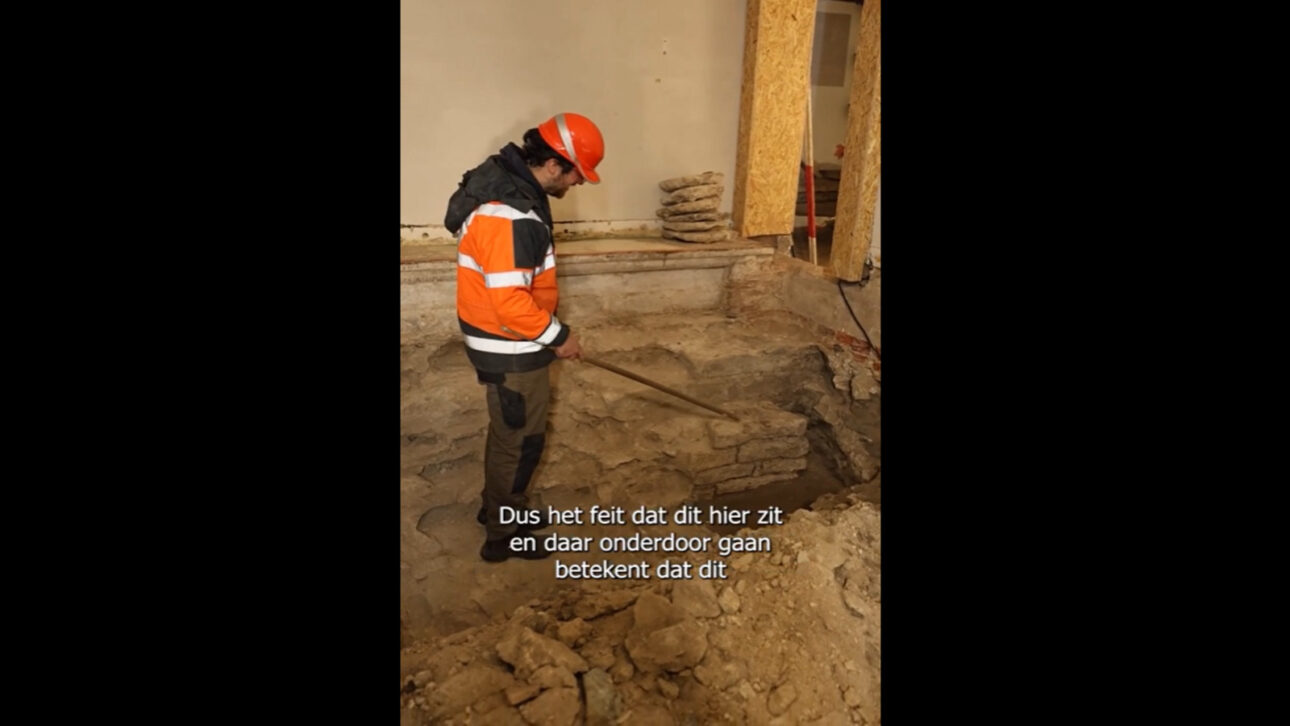
The most relevant discovery appeared below these remains: a wall positioned at a different angle from the other known structures on site.
For researchers, this difference suggests that the wall may belong to a construction prior to the current cathedral.
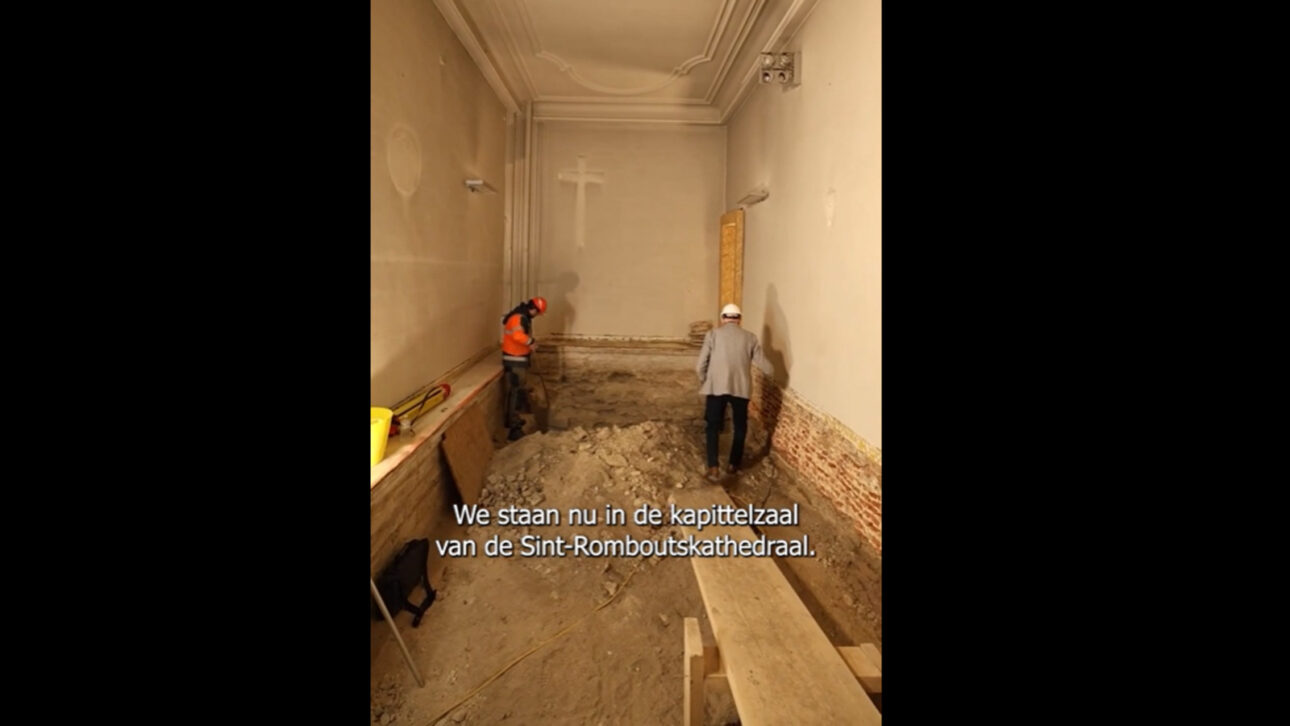
Found wall reinforces hypothesis of Romanesque church
The discovered structure is the main evidence that there was a Romanesque church on the same site before the construction of St. Rumbold’s Cathedral.
The hypothesis suggests that the Gothic temple of Mechelen may have been built on the foundations of an older religious building.
The current cathedral has origins in the 13th century, but the city was already considered an important religious center before that period.
Therefore, the possibility of an earlier medieval church on the site is considered plausible within the historical context informed by the find.
The wall alone does not confirm the entire origin of the construction, but it changes the understanding of the cathedral’s underground. It indicates that the area may hold earlier phases of religious occupation, covered by works, renovations, and adaptations made over the centuries.
Ancient religious constructions were reused in the Middle Ages
The case of Mechelen fits into a common practice in medieval Europe: building new churches on land already associated with religious use.
This choice had practical reasons, as the ground was already consecrated, and also symbolic ones, to maintain the spiritual continuity of the site.
In the context of St. Rumbold’s Cathedral, this practice helps explain why an older structure could be preserved under the current building.
The discovery also enhances the historical value of the monument, already known for its Gothic grandeur and the tower recognized by UNESCO.
Studies still need to confirm origin
The excavations are part of a long-term restoration project, and the analyses of the structure found are still ongoing.
The work should confirm or adjust the hypothesis that the remains belong to an earlier Romanesque church.
The find is considered relevant to better understand the religious formation of Mechelen and the medieval occupation of the territory where Belgium is today.
The discovery shows that St. Rumbold’s Cathedral still preserves little-known historical layers beneath its current structure.
This article was prepared based on information from the material provided about the restoration works of St. Rumbold’s Cathedral, with data, numbers, and statements preserved as per the material consulted.