Portuguese
  Spanish


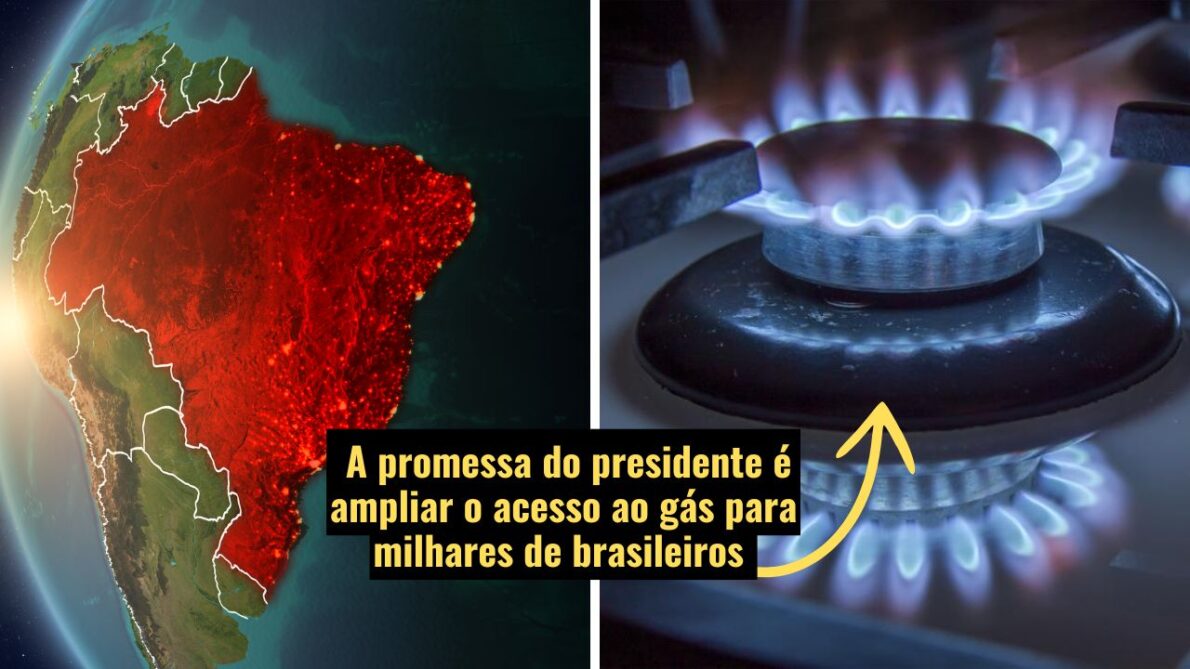

Lula Promises Cooking Gas in the Basic Basket, but Warns of R$ 13 Billion
Lula wants to revolutionize Bolsa Família, and this time the focus is on cooking gas in the basic basket. The president’s promise is to expand access to gas for thousands of Brazilians who are struggling to put food on the table and keep their homes running. The idea is ambitious, but it comes at a cost: the government projects an annual expense of around R$ 13 billion to make this measure feasible.
In the past week, the Federal Government announced a significant change in the gas distribution program, which is expected to directly impact the lives of millions of Brazilian families. Currently, about 5 million families receive the gas voucher, but with the new proposal, this number is expected to rise to approximately 20 million. This means that the government intends to include cooking gas in the basic basket that will be distributed to those already served by Bolsa Família.
What Changes for Thousands of Brazilians with Cooking Gas in the Basic Basket?
Today, beneficiaries receive a bimonthly payment equivalent to the value of a 13 kg gas cylinder, deposited directly into the Caixa Tem social savings account. However, with the new measure, the government wants to start distributing the gas cylinder along with a basic basket, ensuring that cooking gas in the basic basket becomes a reality for thousands of Brazilians. This change is not only logistical but also economic, and it should bring significant relief to the most vulnerable families.
-
While modern cities rely on pumps and electricity, in Iran, ancient tunnels carried water through the desert using only slope and gravity.
-
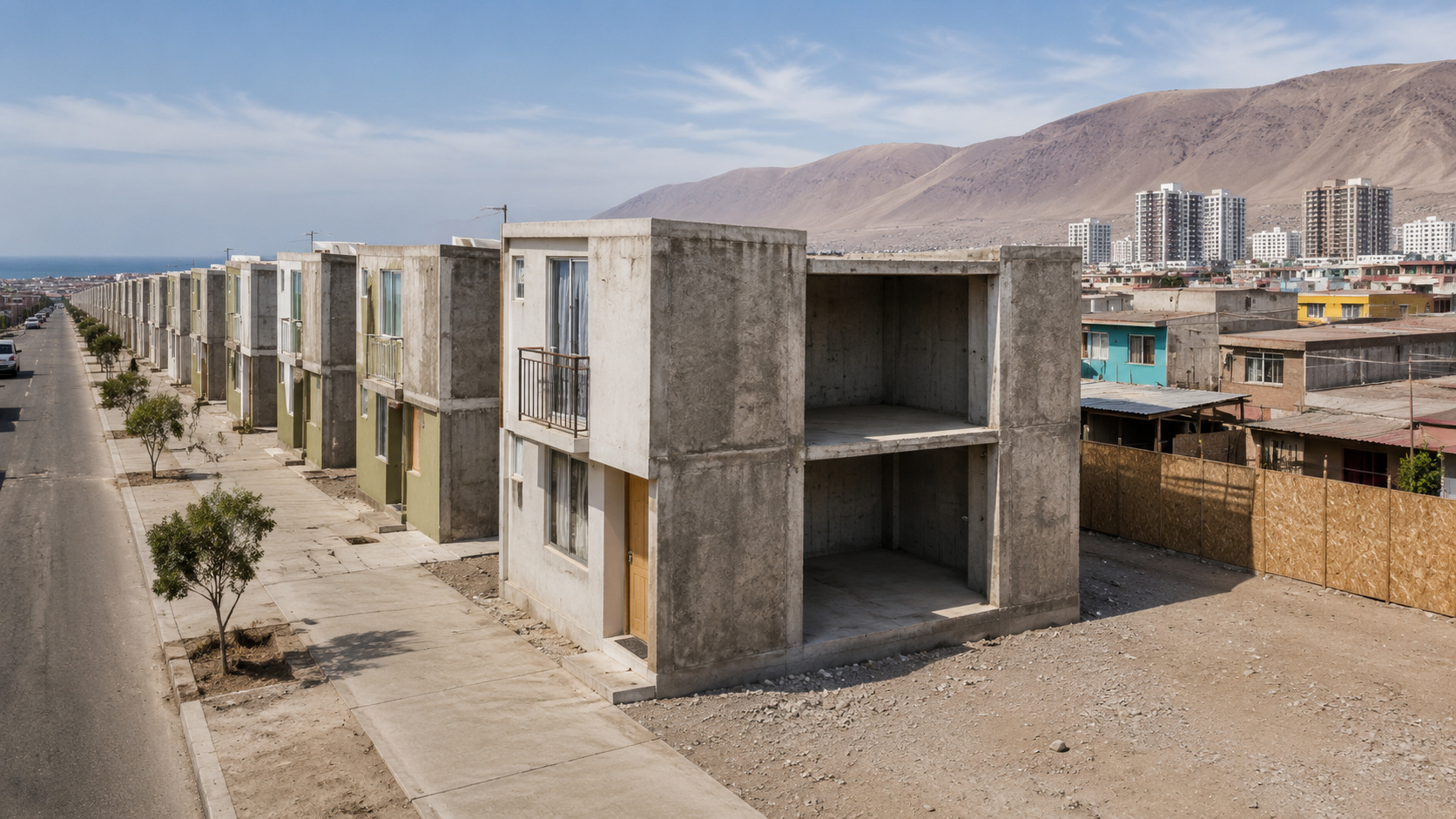
Instead of sending families far from the city, a project in Chile intentionally created incomplete houses on expensive urban land and left technical space for each to grow.

-
To erect the “Baleia” building on the richest avenue in Brazil, he bought 35 houses, paying with trips to Disney, a truck, and even an apartment, waited over 20 years, and today the complex is valued at R$ 2.5 billion.

-
The land belonged to her great-great-grandfather and was worth R$ 25 per square meter during the pandemic; the couple sold 250,000 m² for the nearly R$ 30 billion project that is transforming the “neighbor of Jericoacoara,” and today a house in the region goes for R$ 4.2 million.



The Economic Impact of the Measure
Although the inclusion of cooking gas in the basic basket brings a direct benefit to thousands of Brazilians, the cost of the measure is a point of concern. The estimate is that this change will generate an annual expense of R$ 13 billion, a significant amount that puts pressure on the government’s finances. Experts point out that, despite the high cost, the measure could have a positive effect on the economy as a whole, since payments will be made directly to the companies responsible for the distribution of gas cylinders, stimulating the production chain and helping to boost the market.
More Benefits on the Horizon?
In addition to cooking gas in the basic basket, the Lula government continues to offer other extra payments through Bolsa Família. Beneficiaries also have access to benefits such as the Citizenship Income Benefit, the Complementary Benefit, and the Early Childhood Benefit, which together form an important safety net for the most vulnerable.
This new strategy of including cooking gas in the basic basket promises to be a game-changer in the country’s social assistance policy. On one hand, the high cost is concerning, but on the other, the measure has the potential to transform the reality of thousands of Brazilians living in vulnerable situations. Now, it remains to be seen how this promise will be implemented and what its long-term impacts will be for both the economy and the beneficiary families.
What do you think about the inclusion of cooking gas in the basic basket? Will this measure really help thousands of Brazilians? Leave your opinion in the comments! We want to know what you think about this impact on families and the economy of the country.