






 Portuguese
  Spanish
  4 min of reading
  0 comments


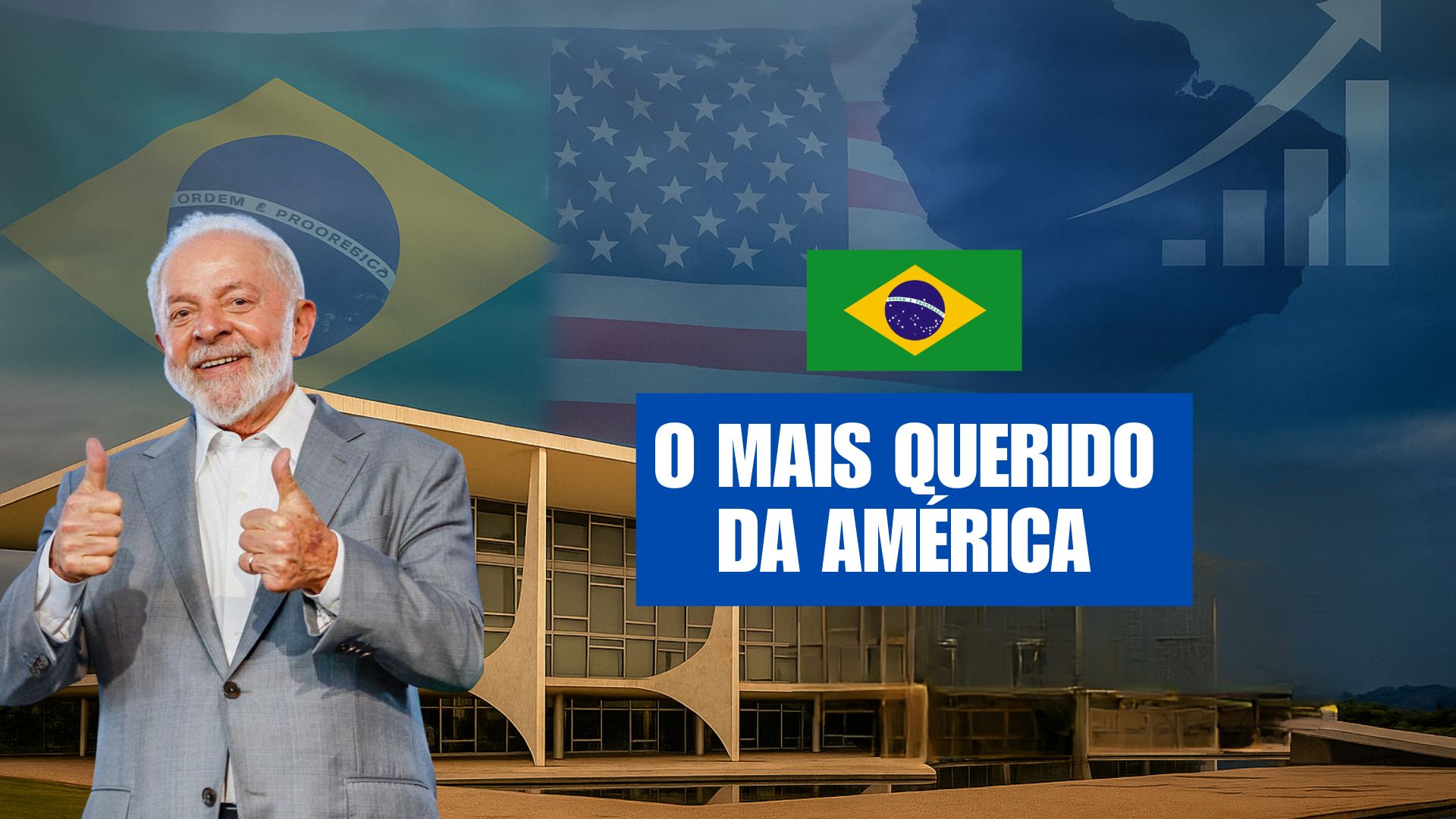
Lula Resumes Leadership In South America And Increases Visibility After Meeting With Donald Trump During International Trip. Argentine Survey Shows Progress Of Brazilian In Positive Image And Diplomatic Repositioning Among Regional Leaders.
The president Luiz Inácio Lula da Silva (PT) is the leader with the most positive image in South America in October, according to a survey by CB Consultora Opinión Pública from Argentina.
The study indicates that the Brazilian reached 48.8% positive image and 49.3% negative, surpassing the result from September, when he was in second place.
Lula Resumes Leadership And Increases International Visibility
The survey was released around the same time that Lula met with Donald Trump during an international commitment in Kuala Lumpur, Malaysia.
-
Brazilian Joins Homeownership Consortium, Faces Decade of Dual Payments Totaling $141,000, Surpassing Traditional Mortgage

-
Land Rover to Halt Production in July, Putting 371 Jobs at Risk, as Chinese Automaker Negotiates to Convert Factory to 100,000 Vehicles Annually by 2027

-
Mexican Pest Threatens U.S. Cattle Herds at Historic Lows, Potentially Boosting Brazilian Beef Exports as Burger Prices Soar

-
Brazilian Freight Bill Progresses in Congress with $5,000 Minimum Wage, 70% Advance Payment, and Fines Up to $1 Million, as Agriculture and Industry Warn of Rising Costs and Legal Uncertainty


The meeting was recorded by the official photographer of the Palácio do Planalto and had a significant impact on the president’s social media, according to monitoring by the company Quaest.
Political communication experts assess that the international exposure and the diplomatic gesture with the former U.S. president contributed to increasing the visibility of the Brazilian government on digital platforms.
After the meeting, Lula stated he was “optimistic about trade prospects” between Brazil and the United States.
The White House described the dialogue as “productive”, without announcing concrete measures regarding tariffs or bilateral agreements.
Milei Rises And Consolidates In Second Position
The president of Argentina, Javier Milei, recorded 45.9% positive image in October, representing a growth of 3.4 percentage points compared to September.
With this, he moved from fifth to second place in the ranking prepared by the Argentine consultancy.
According to CB Consultora, Milei’s positive variation was the most significant among all heads of state evaluated during the period.
The Uruguayan Yamandú Orsi, in office since March 2025, fell from first to third place, with 45.5% positive image.
The Chilean president Gabriel Boric maintained the fourth position, with 43.4%, while the Ecuadorian Daniel Noboa fell to fifth place, with 42.9%.
Methodology Of The CB Consultora Survey
The CB Consultora Opinión Pública interviewed 11,568 people aged 18 years or older in ten countries in South America.
The interviews were conducted online between October 18 and 21.
The sample varied from 1,029 to 1,570 respondents per country, with a margin of error of up to 3.1 percentage points and confidence level of 95%, according to the company responsible for the study.
Maduro Has The Biggest Drop Of The Month
At the bottom of the ranking, the president of Venezuela, Nicolás Maduro, recorded the biggest drop among the leaders evaluated, with a decrease of 5.2 percentage points in positive image.
According to CB Consultora, fluctuations of this magnitude often reflect changes in the internal political scenario of each country, but the survey does not detail the specific reasons for the variation.
Factors That Explain Lula’s Performance, According To Analysts
Political scientists consulted by Argentine and Brazilian media point out that Lula’s improvement in the survey may be related to three main factors: the increase of international visibility, the domestic economic agenda, and the diplomatic rapprochement with the United States.
According to professor Emilio Taddei from the University of Buenos Aires, Lula’s gesture in dialoguing with Trump demonstrates “an effort for pragmatic repositioning of Brazil” in the international arena.
Other analysts note that the image of political stability and the resumption of trade agendas may also have contributed to the progress of the Brazilian president in the ranking.
However, experts emphasize that image surveys capture momentary perceptions and can vary according to news coverage and economic performance.
Impact Of The Meeting With Trump And Regional Context
Lula’s meeting with Trump occurred amid negotiations between Brazil and the United States on trade issues, including tariffs and market access.
According to Brazilian government sources, the president delivered a document with arguments favorable to the revision of surcharges imposed on national products.
The White House confirmed that the two leaders committed to keeping the dialogue open.
Diplomats interviewed by the press state that the public gesture between Lula and Trump was interpreted as a sign of de-escalation in bilateral relations, after a period of little communication.
In the assessment of researchers from the Getulio Vargas Foundation (FGV) and the University of Brasília (UnB), this type of movement tends to reinforce the perception of Brazil’s prominence in regional debates, which may influence the country’s image in the short term.
Trends In Public Perception And Regional Popularity
Opinion studies show that the popularity rates of South American presidents tend to vary quickly in light of economic factors, government decisions, and internal political crises.
According to CB Consultora, the competition for leadership in the regional ranking has been concentrated among Lula, Orsi, and Milei since early 2025, with alternating positions at the top over the months.
The consultancy notes that a leader’s popularity can be impacted by symbolic events and by presence on social media, which amplify the repercussions of international agendas.
In this context, Lula’s meeting with Trump may have contributed to elevating public interest in the Brazilian president’s actions abroad.
With the new configuration of the ranking, Lula is at the top, Milei consolidates in the vice-leadership, and Orsi maintains presence on the podium.
Will the popularity of the Brazilian president remain stable in the coming months, or will new factors alter the regional political balance?





-

1 person reacted to this.