Portuguese
  Spanish


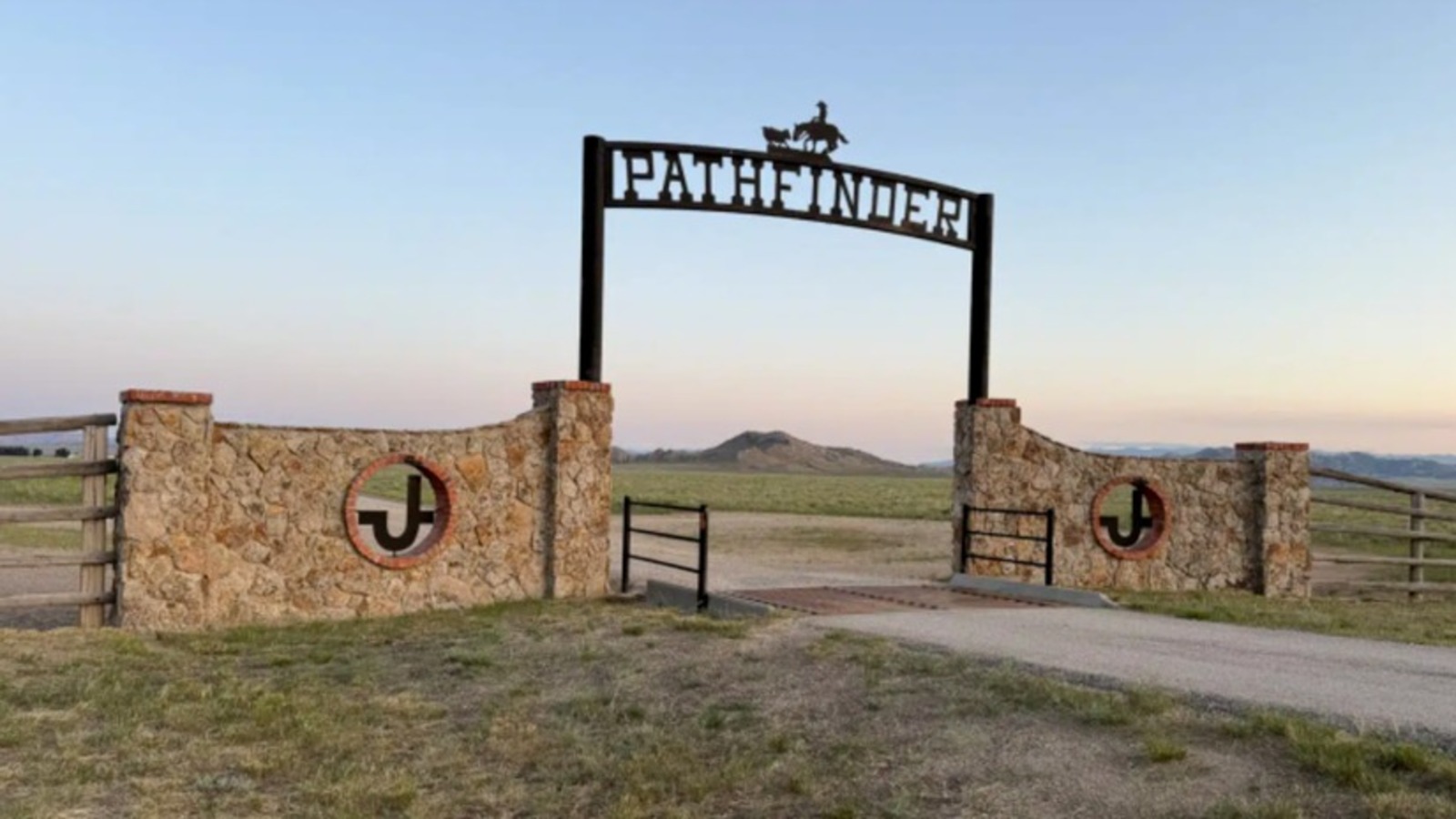


Business of US$ 79.5 Million Reveals Buyer of the Pathfinder Ranches, Area of 916.076 Hectares in Wyoming, Acquired in January by Christopher Robinson, Expanding Land Concentration and Environmental Responsibilities in the West
After months of suspense in the United States rural real estate market, the buyer of Wyoming’s largest private property has been revealed. The mega farm was sold for US$ 79.5 million, a deal completed on January 14, with a direct impact on strategic conservation lands.
The new owner is American billionaire Christopher Robinson, founder and CEO of Ensign Group LC, who acquired the massive Pathfinder Ranches, spanning an impressive 916.076 hectares of contiguous land.
The total area of the farm exceeds the territory of the city of São Paulo and represents one of the largest private land acquisitions ever recorded in the state of Wyoming.
-
Company Offering “Stones to Diamonds” Scheme Sells Ruined Italian Homes to Brazilians for 1 Euro, Disappears with Promised Renovations, Leaving Buyers in Debt to Italian Tax Authorities Until 2028 Without Property

-
Plastic Packaging Drives Santa Catarina Industry to 230% Growth, Aiming for R$ 500 Million by 2030 Amid Sector Crisis, with New Gearless Line Expanding in Southern Brazil to Compete in South America

-
Flamengo Star Invests in Brazilian Coastal Luxury Real Estate as Itapema Surpasses Balneário Camboriú in High-End Market Growth
-
Brazil to Issue “Panda Bonds” in China, Aiming to Raise Up to 5 Billion Yuan at Lower Interest Rates Than Dollar Debt


The transaction places under private control a region considered one of the last great agricultural and environmental frontiers still intact in contemporary American West.
Strategic Location and Natural Resources of the Farm
The property is situated between the Ferris, Pedro, and Green mountain ranges, forming a natural corridor of great ecological and productive relevance.
Within the acquired territory are the Pathfinder Reservoir, 32 kilometers of Sweetwater River banks, extensive plateaus, river valleys, and mountainous foothills.
This set creates a diverse ecosystem, combining water resources, grazing areas, and regions of environmental preservation on a rare scale in the United States.
Industry experts view the site as strategic for both rural activities and long-term conservation projects.
A Discreet Territorial Empire
Christopher Robinson is not a newcomer to this market. Together with his siblings Alexander and Victoria Robinson, he manages Ensign Ranches, a vast land portfolio.
Before the purchase of Pathfinder, the group already controlled more than one million acres of private and public land in Utah, Idaho, and Wyoming.
This family structure has consolidated the group among the largest rural landowners in the country, with a quiet operation and focus on long-term asset management.
The growth of this territorial empire has occurred in a strategically gradual manner, prioritizing contiguous areas with high environmental value.
Ranking and Management Philosophy
Prior to the new acquisition, the group ranked 31st on the list of the 100 largest landowners in the U.S., according to Land Report magazine.
In an interview with The New York Post, Robinson shared his views on owning large rural expanses.
“We love the land and the water. We consider this a good long-term investment,” he stated, also highlighting the environmental responsibility involved.
The statement reinforces a trend among large investors, who associate financial returns with the preservation of strategic natural assets.
Context of Wyoming and Implications
Wyoming is the least populous state in the U.S., with about 600,000 inhabitants, yet ranks among the ten largest in land area.
A significant portion of Yellowstone National Park is within its borders, in addition to an economy based on energy, extensive livestock farming, and natural tourism.
With the purchase, Robinson expands his territorial dominance and takes on the management of an iconic landscape, surrounded by environmental, productive, and historical conservation challenges.
With information from Diário do Litoral.