Portuguese
  Spanish


The UOL report heard 11 buyers, mayors, and the prosecution and revealed how the package of houses in Italy at a bargain price in Tuscany turned into a financial hole for Brazilians who even put their retirement into the dream of living in Europe
Buying a historic house in Tuscany for less than the price of a popular car seemed like the chance of a lifetime, but for dozens of Brazilians, it turned into debt and ruin. According to the UOL channel, in a report published in July 2026, a company run by a Brazilian and an Italian was selling houses in Italy in villages in Tuscany for very low prices, with the promise of renovating them for free through a state tax incentive, but the renovations never materialized.
The slogan summed up the bait. The company, called Sonho It, promised to “turn stones into diamonds,” selling properties in ruins for 1,000, 5,000, or 10,000 euros that would be renovated by the Italian government’s Superbônus 110 program, but buyers were left with just the stones, as the properties remain abandoned to this day, as UOL shows. The report, the result of two months of investigation by journalists Alicia Klein and Janaína César, heard from 11 defrauded clients.
The “1 euro” dream that turned into a nightmare
The promise rode on a real trend. According to UOL, the package relied on the fame of the 1 euro houses in Italy, old properties sold for symbolic amounts in depopulating towns, offered here within a purchase plus renovation proposal that sounded too good to be true.
-
Plastic Packaging Drives Santa Catarina Industry to 230% Growth, Aiming for R$ 500 Million by 2030 Amid Sector Crisis, with New Gearless Line Expanding in Southern Brazil to Compete in South America

-
Flamengo Star Invests in Brazilian Coastal Luxury Real Estate as Itapema Surpasses Balneário Camboriú in High-End Market Growth
-
Brazil to Issue “Panda Bonds” in China, Aiming to Raise Up to 5 Billion Yuan at Lower Interest Rates Than Dollar Debt
-
NATO Faces Internal Tensions as U.S. Pushes for Increased Defense Spending, Targeting 5% of GDP by 2035, with Warnings for Countries Near 2% Level


And it was, in the words of the mayors themselves. A mayor took the reporter to see about 10 projects by the company, all with Sonho It signs and all abandoned, and stated that it was a scam, a scheme in which Brazilians were caught attracted by the negligible price of the properties, as UOL records. In one city alone, 15 properties were sold to Brazilians, all without any work done.
The Superbônus 110 and the credits that disappeared

The trick was in the incentive mechanism. According to UOL, the Superbônus 110 is a program by the Italian government to stimulate renovations of old properties, and the model worked based on powers of attorney that buyers signed, allowing the company to access the credits linked to the works.
And that’s where the money slipped away. These tax credits, which were meant for the renovations that should have been done on the houses in Italy, could be resold on the financial market to banks and investors, and the case is under investigation precisely due to suspicion of irregularities in the generation and use of these credits, as UOL details. In other words, the benefit that should have funded the work became a traded asset, while the promised renovation never happened.
Houses in ruins, tax debt and financing until 2028
The loss didn’t stop at the house that never came. According to UOL, there are people who bought in 2021 and 2022 and today appear with credits taken in their name with the Italian government, meaning a debt with the State without having the house, and still at risk of being held responsible if a stone from these ruins falls on someone.
The human impact is heavy. One of the victims invested their retirement in the business, suffered a burnout, and is paying off a loan that will last until 2028 without having realized the dream of a house in Italy, and many of the people interviewed already consider the money lost and avoid even talking about the subject due to the stress it causes, as UOL reports. What was an investment turned into a financial and emotional anchor that many carry in silence.
11 clients, 15 properties and abandoned buildings
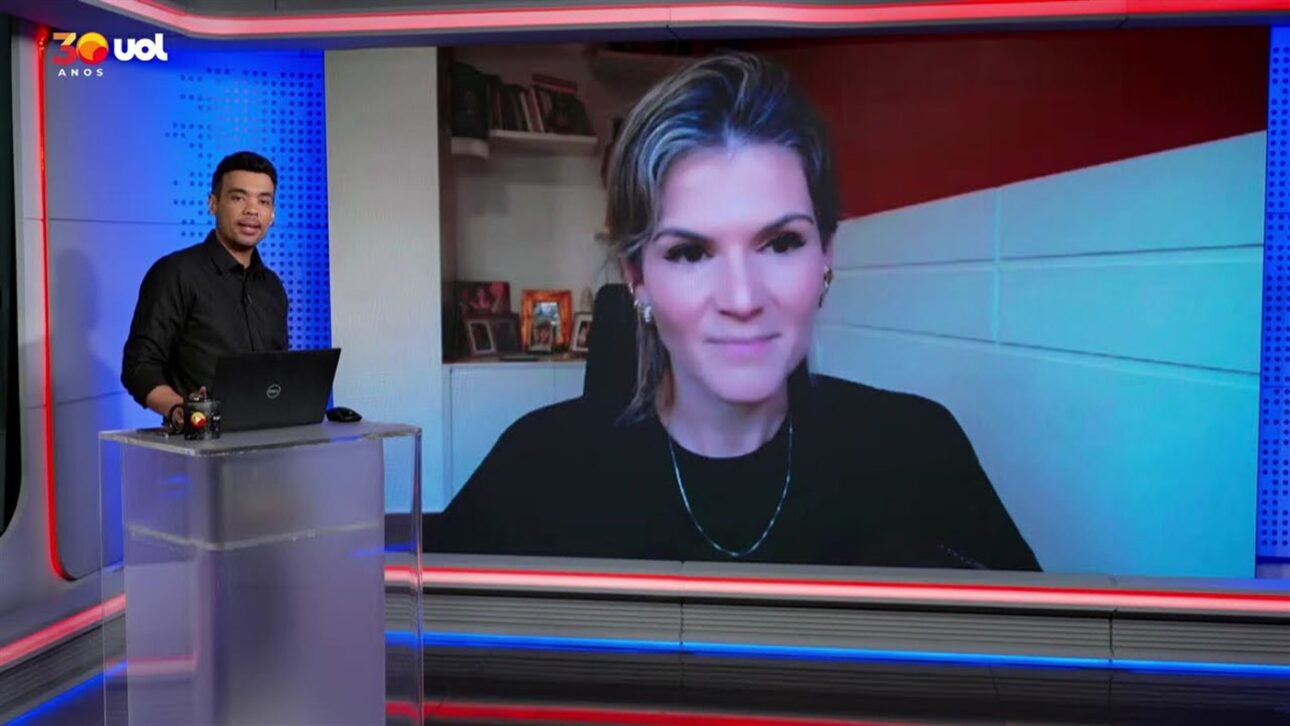
The extent of the damage is revealed in the investigation numbers. According to UOL, the team spoke with 11 clients, as well as local authorities, prosecutors, and mayors, and gathered thousands of documents, contracts, photos, and videos of the properties that remain in ruins.
The properties sold came wrapped in seductive stories. The company offered “jewels” like a house that supposedly belonged to Napoleon Bonaparte’s sister or another that allegedly hosted soldiers in World War II, but buyers say the works were never completed and the houses in Italy remain forgotten with the company’s signs on the door, as UOL shows. When contacted, one of the partners did not respond, and the other even summoned the report to delete the interview audio.
The investigation and the 4 million euros blocked
The case is now in the Italian courts. According to UOL, the Lucca Prosecutor’s Office is investigating the company, with five people scrutinized and about 4 million euros in assets blocked, which the court has managed to retain so far in light of evidence of a million-dollar fraud.
Recovering the money, however, is unlikely. As the tax credits were sold on to banks and investors, tracking and recovering this money is very difficult, and one of the mayors, who feels co-responsible for having endorsed the project, is studying a buyback program to at least minimize the victims’ debt, as the UOL channel on YouTube reports. For most, the greater hope is that those responsible will be punished and that the alert will prevent new victims.
The feeling of co-responsibility from the public authorities helps explain why so many people trusted. According to UOL, many buyers who were unsure if the deal was legitimate ended up convinced when they saw photos of the businessmen shaking hands with mayors, a gesture that acted as an informal seal of approval and gave the project an appearance of official endorsement that it did not have.
Why the victims spoke, even with fear
Convincing the victims to speak out was part of a two-month effort. According to UOL, many avoid even touching on the subject due to the stress and shame of having lost their savings, and speaking publicly exposes a still open wound for those who invested their retirement in the business.
Even so, the account serves a collective protection function. The report highlights that the courage of those who spoke serves to shield future victims, warning other Brazilians tempted by the same cheap property offers in Europe before they lose their savings in the same type of trap, as UOL reinforces. It’s the reasoning that exposing the scam, even if painful, is worth more than the silence that leaves the scheme free to find new targets.
What the case teaches Brazilians dreaming of cheap property abroad


History is a precautionary manual for the investor. The dream of buying cheap property in Europe has grown among Brazilians in recent years, driven by the campaigns of 1 euro houses, but the case of Tuscany shows that symbolic price usually hides high renovation costs, bureaucracy, and, in the worst scenario, fraud.
The message applies to any remote purchase. Before closing a property deal abroad, the buyer needs to check the company’s credibility, understand exactly how the tax incentive works, be wary of broad powers of attorney that grant access to credits in their name, and never invest their entire retirement in a business they cannot visit closely, a consolidated consumer warning. The houses in Italy at a bargain price prove that when the offer is too good to be true, it usually is.
The video features the accounts of buyers, images of the houses in ruins in Tuscany, the explanation of the Superbônus, and the progress of the investigation at the Lucca Prosecutor’s Office.
The case of Tuscany proves that a cheap house abroad can cost the peace and retirement of those who buy without checking. Tell us in the comments: would you risk buying a house in ruins in Italy trusting the promised renovation?