Portuguese
  Spanish


Atualmente, a Chromoplast conta com uma linha de produção moderna e eficiente, que inclui a tecnologia Gearless. Essa tecnologia permite maior precisão e velocidade na produção, além de reduzir o consumo de energia, contribuindo para a sustentabilidade da operação.
Expansion in the South of Santa Catarina
In addition to technological investments, Chromoplast is also expanding its physical structure. The company is building a new industrial unit in Içara, which will increase production capacity and generate new jobs in the region.
With these initiatives, Chromoplast aims to strengthen its position in the Brazilian and South American markets, offering high-quality plastic packaging solutions and contributing to the economic development of the South of Santa Catarina.
-
Flamengo Star Invests in Brazilian Coastal Luxury Real Estate as Itapema Surpasses Balneário Camboriú in High-End Market Growth

-
Brazil to Issue “Panda Bonds” in China, Aiming to Raise Up to 5 Billion Yuan at Lower Interest Rates Than Dollar Debt
-
NATO Faces Internal Tensions as U.S. Pushes for Increased Defense Spending, Targeting 5% of GDP by 2035, with Warnings for Countries Near 2% Level

-
Brazil to Introduce B16 Diesel with Increased Soybean Oil Content for Trucks by 2026


Even with the difficulties faced by the sector, Chromoplast maintained the plan to increase production. The industry’s bet is on the combination of manufacturing capacity, technology, certifications, and more standardized processes to support expansion.
Current production reaches 800 tons per month
The industry currently produces about 800 tons of plastic packaging per month. The goal is to reach a thousand tons per month by 2030, in line with the objective of increasing annual revenue to R$ 500 million in the same period.
This volume helps position the company among the leading plastic packaging industries in Brazil, according to information disclosed in the report. The challenge is to grow without losing efficiency in a sector pressured by costs, instability, and the constant need for modernization.
Gearless Line prepares new stage of the factory
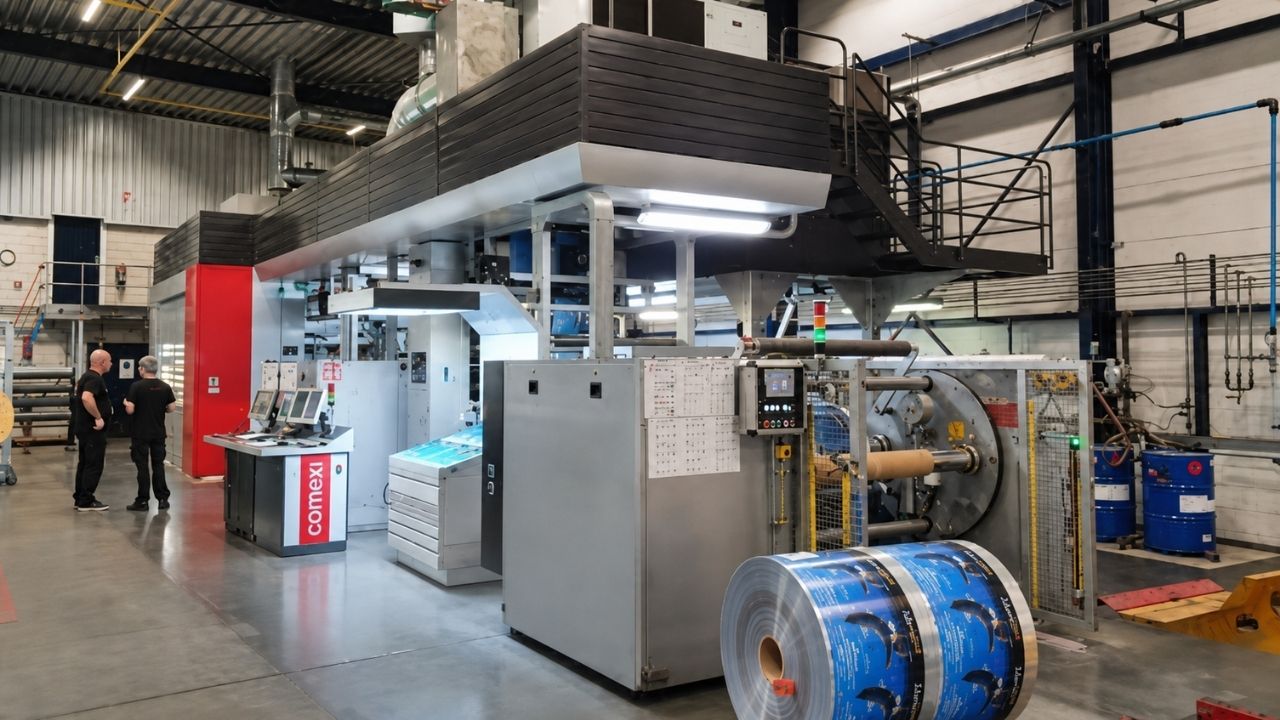
To achieve the expansion goal, Chromoplast is investing in a Gearless printing line, expected to arrive in Santa Catarina between the second half of 2027 and the first half of 2028. The technology will be incorporated into the company’s industrial process.
The term Gearless refers to a printing model without mechanical gears. In this system, the cylinders of the flexographic machine are driven by independent electromechanical actuators, which significantly reduces the setup time between batches.
Technology can reduce time between prints
In practice, the Gearless line allows for more agility in switching printing jobs, a relevant point for companies dealing with different batches, patterns, and customer demands. Less downtime between prints can mean a productivity gain.
This type of modernization is important because the plastic packaging market requires scale, precision, and the ability to meet varied orders. The new line, therefore, appears as a strategic piece to increase production and competitiveness without relying solely on the physical expansion of the factory.
Crisis in the sector did not interrupt the expansion goal
The report informs that the plastic sector in the South of Santa Catarina is facing a crisis, worsened by the prolonged blockade of the Strait of Hormuz. Even in this scenario, Chromoplast maintains its expansion plan and aims for an annual revenue of R$ 500 million in five years.
CEO Cledson Francisconi stated that the company has advanced in technology and internal organization in recent years, but intends to continue investing in infrastructure, certifications, and processes. The strategy presented indicates an attempt to grow with control, repeatability, and industrial quality.
Company wants to compete in Brazil and South America
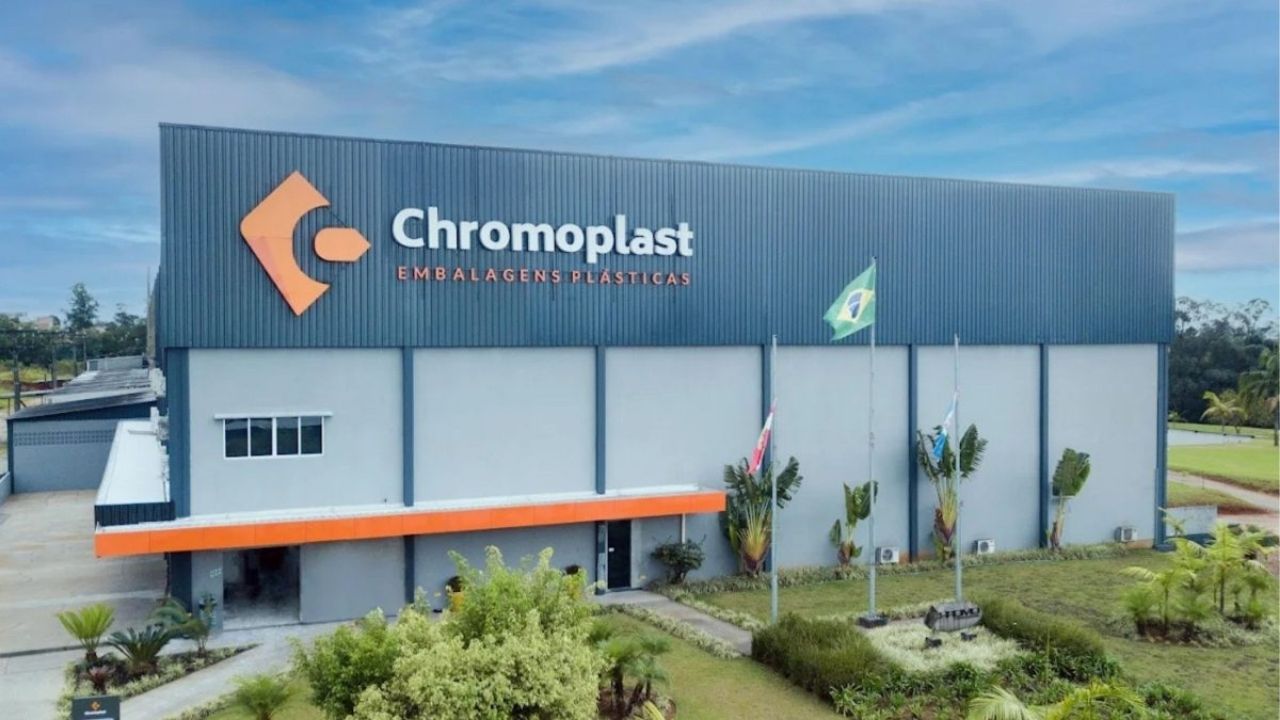
Chromoplast’s operations have already surpassed the regional demand that marked the company’s beginning. The industry has consolidated its presence in Brazil and South America, supported by productive evolution and the growth of the market served over the years.
This trajectory shows how a company founded with a simple initial structure can gain scale when it combines investment, technology, and commercial expansion. In the case of plastic packaging, the competition involves price, production capacity, quality, and adaptation to the demands of different clients.
What this goal reveals about the Santa Catarina industry
Chromoplast’s goal puts the South of Santa Catarina in the spotlight within a sector that faces pressure but still drives significant industrial chains. The company tries to turn modernization into a competitive advantage, even in a more challenging economic environment.
Do you believe that a plastic packaging industry can grow sustainably amid the sector’s crisis? Will the investment in Gearless technology be enough to sustain the R$ 500 million goal by 2030? Leave your opinion in the comments and join the conversation.