Portuguese
  Spanish




Formed More Than 2 Billion Years Ago, the Largest Meteorite Crater in the World Changed African Geology, Influenced Gold Deposits, and Left Unique Marks on the Earth’s Crust
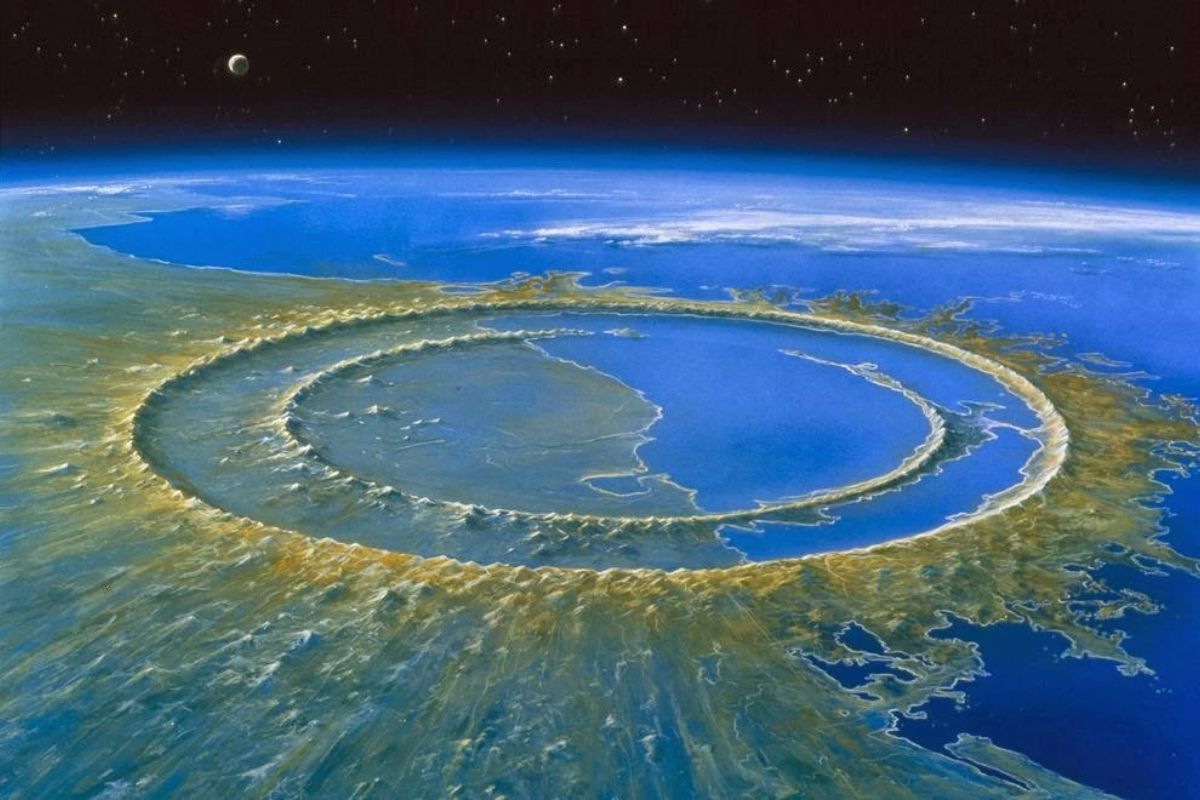
The largest meteorite crater in the world is located in Vredefort, South Africa, and is considered one of the most impressive formations in the history of the planet. With an original diameter of about 300 kilometers, the impact was so intense that it vaporized solid rocks and forever changed the local landscape.
The cosmic event, which occurred approximately 2 billion years ago, not only left deep marks on the Earth’s crust but may also have contributed to the formation and preservation of some of the largest gold reserves on the planet, making the region a geological and economic landmark.
The Impact That Changed the Earth
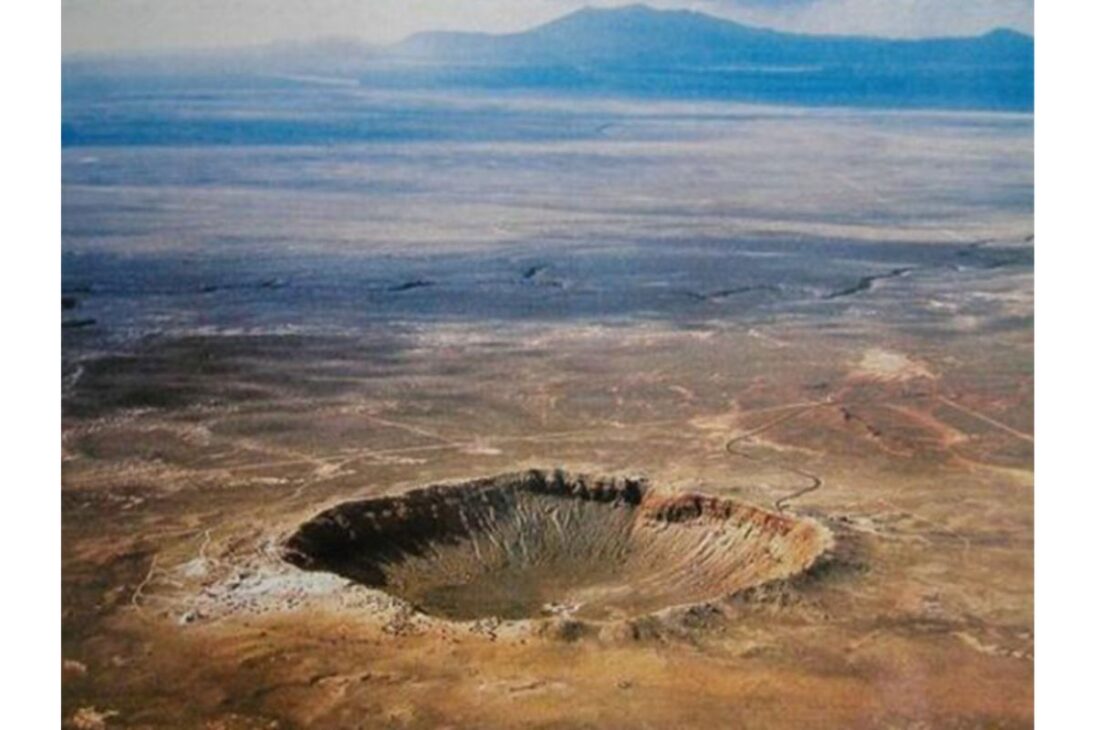
The asteroid that created the crater was about 10 to 15 km in diameter and struck the Earth at a speed close to 72,000 km/h.
-
Alabama Family Converts Giant Grain Silos into a 1,750 sq ft Rustic Home, Spending $100,000 to Prove the Impossible

-
Modular ‘Microhouse’ Arrives Ready to Install in Hours Without Deep Foundations or Construction Waste

-
UK Student Develops Solar Water Purification System Using Fresnel Lens, Wins Global Young Scientists Popular Vote
-
Giant Dredger “No Woman, No Cry” Arrived in Brazil in 2010 to Clear 1.8 Million m³ of Sand and Improve Port Logistics


The energy released was so colossal that rocks were vaporized instantly, creating shock waves that spread throughout Africa.
This impact generated a complex structure of multiple rings and significantly altered the underground formations.
Geologists believe that the shock was crucial in moving gold deposits to deeper regions, protecting them from erosion and ensuring they remained accessible to this day.
Vredefort, the Dome That Withstood Time
Over billions of years, erosion wore down the crater, leaving mainly the Vredefort Dome, a central uplift formed by the “rebound” of the crust after the impact.
This dome exposes deep layers of the Earth, revealing materials that would be difficult to access without an impact of this magnitude.
The current landscape combines mountains, rivers, and fertile grasslands, an example of how a scene of devastation can, over time, transform into a space of biodiversity and life.
World Heritage and Geological Laboratory
Recognizing its importance, UNESCO declared the Vredefort Dome a World Heritage Site in 2005.
The region is now both a tourist destination and an open-air laboratory for researchers studying impact geology, shock metamorphism, and rare minerals.
The rocks found in the area show unique signs, such as impact quartz and shatter cones, undeniable proof of the extreme pressures caused by the event.
These records help scientists understand how cosmic impacts have shaped the history of the planet and even the evolution of life.
Legacy for Science and Economy
The largest meteorite crater in the world represents not only a geological record of the past but also a legacy for the global economy.
It is believed that, without the impact, South Africa’s gold reserves would not have been preserved in the same way, radically altering the economic history of the region.
Today, Vredefort continues to be studied as an example of natural resilience and an opportunity to learn about the interaction between cosmic phenomena and terrestrial resources.
The largest meteorite crater in the world is a reminder that cosmic events have shaped the Earth in profound ways, both in geology and economics.
Now, we want to hear from you, do you believe that gold exploration in South Africa would be possible without this impact? Do you think cosmic impacts can still alter the economic and environmental future of the planet? Leave your opinion in the comments, your perspective enriches this debate.