






 Portuguese
  Spanish


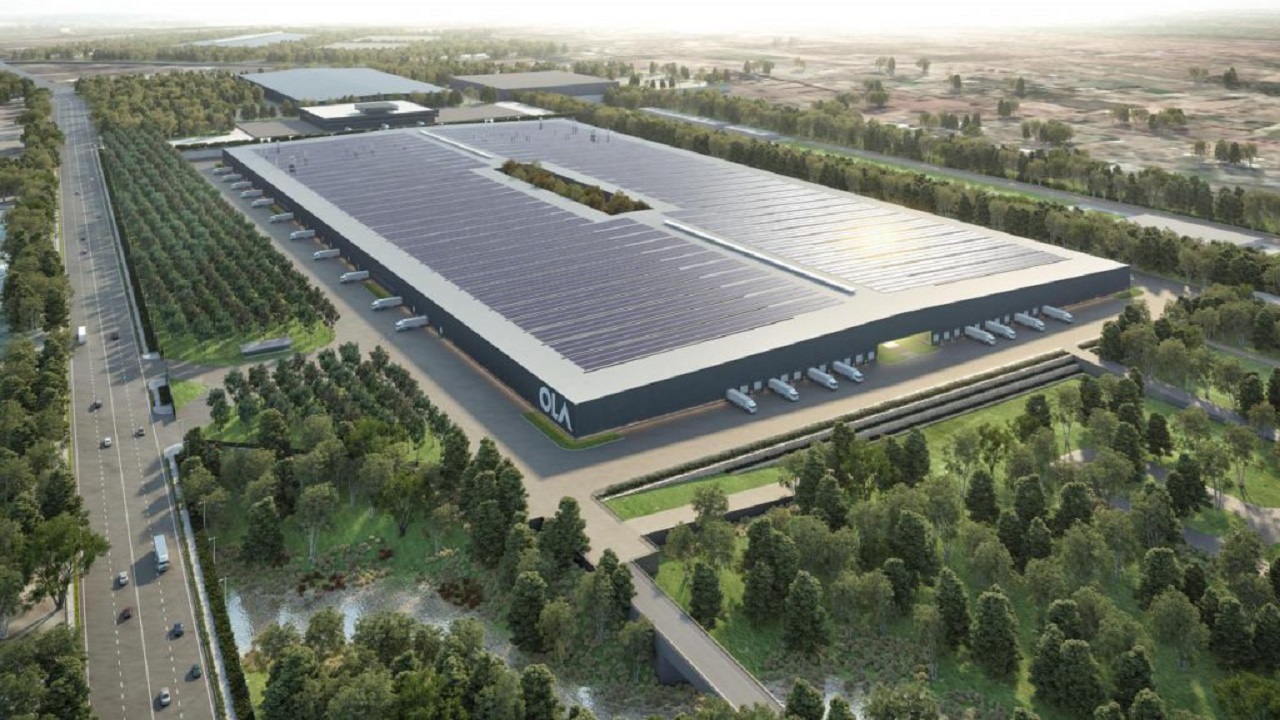

Ola Electric Mobility Wants to Give Opportunities to Women’s Talents, Both in Manufacturing and Administration of the New Electric Scooter Factory. Robots Are Also on the Company’s List That Aims to Use This Technology to Innovate in Manufacturing Its Vehicles
Ola Electric Mobility has opened a new electric scooter factory and aims to produce over 10 million vehicles per year, or at least 15% of the scooters manufactured globally by the end of 2022. The announcement of the new factory also brought a great novelty, where Ola informed that this will be a 100% women-led and managed operation. The intention is to increasingly include women in the job market, both in operational and administrative areas. In addition to this news, another piece of information provided is that robot technologies will also be used during the manufacturing of its new models of electric scooters.
Read Also
Ola Electric’s New Factory Integrates Women into the Electric Mobility Market
Bhavish Aggarwal, leader of this major business, reports that electric mobility is an offshoot of the Ola startup. According to Bhavish, the official launch will be in the middle of next year. The main objective of his new venture is to globally offer what he defined as ‘clean mobility.’
In addition to concern about the current environmental negligence worldwide and the ambition to be among the largest electric scooter manufacturers in the world, Bhavish is also worried about the lack of women’s inclusion in this field. The decision made was to employ more than 10,000 women in administrative and operational roles.
-
2027 Toyota Corolla Cross Unveiled: New Design, Enhanced Fuel Efficiency, Reduced Maintenance Costs, Advanced Technology, Connected Services, and Up to 10-Year Warranty

-
Fiat Cronos Precision 2018: Affordable Sedan with Spacious Trunk and Reliable Maintenance
-
Volkswagen to Cut Production by 1 Million Cars by 2030, Reducing Jobs and Platforms, Focusing on More Profitable Models

-
Toyota Launches First 100% Electric Car in Brazil: bZ4X with 343 HP, All-Wheel Drive, 361 km Range, Priced at $419,990 BRL, Limited to 99 Units



Futurefactory’s Differentiation, Ola’s Branch
According to Bhavish, Futurefactory, Ola’s branch, aims with this hiring of more than 10,000 women to become the largest and only factory of vehicles run solely by women. The desire to make this a reality is consolidating more each day.
Women’s participation in the industry is still low. It is estimated that only 12% of women work in operational and administrative positions in the industrial sector.
The focus is also on making India the manufacturing center of the world, valuing the talent and ability of women to lead a large factory. The use of robots will provide a significant differentiation in the concept of electric vehicles.
Ola Electric’s Ambitions
With the support of SoftBank Group and Tiger Global, Ola Electric plans to manufacture one electric scooter every two seconds. But this will only be possible after 100% of the planned expansion is completed, already by next year.
The factory will receive 3,000 robots that will work alongside women. Bhavish believes that women will feel happier and have their lives improved when they take on the responsibilities of the factory. Bhavish also aims to create a complete lineup of electric vehicles, which will include cars, three-wheeled vehicles, and electric scooters.








