






 Portuguese
  Spanish
 3 min of reading
  0 comments



Government Approves Result and Hands over the Celulose Route in Mato Grosso do Sul to the Private Sector. The Caminhos da Celulose Consortium Will Invest R$ 6.9 Billion in 870 km of Highways.
The Caminhos da Celulose consortium won the bid last Friday (26) for the concession of the largest roadway network ever auctioned in Mato Grosso do Sul.
The contract, lasting 30 years, provides for billion-dollar investments in modernization, duplication, and maintenance of strategic stretches for the state’s production flow.
The signing ceremony took place in Campo Grande, with the presence of federal and state authorities and representatives of the productive sector.
-
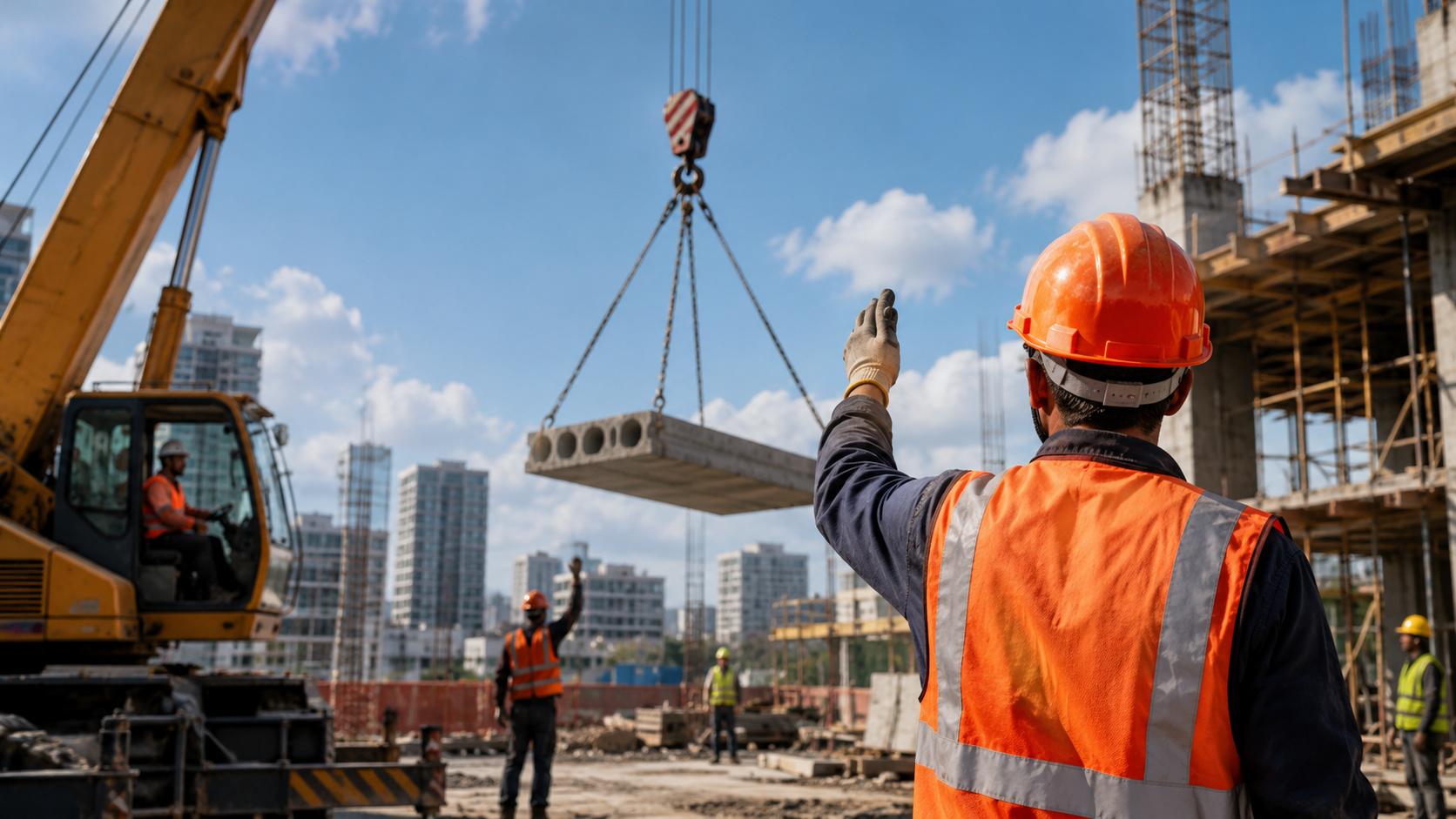
Why can the crane operator only obey the correct signalman on the construction site: among dozens of workers, a hand raised by the wrong person can confuse the maneuver and turn a load of tons into an immediate risk.

-
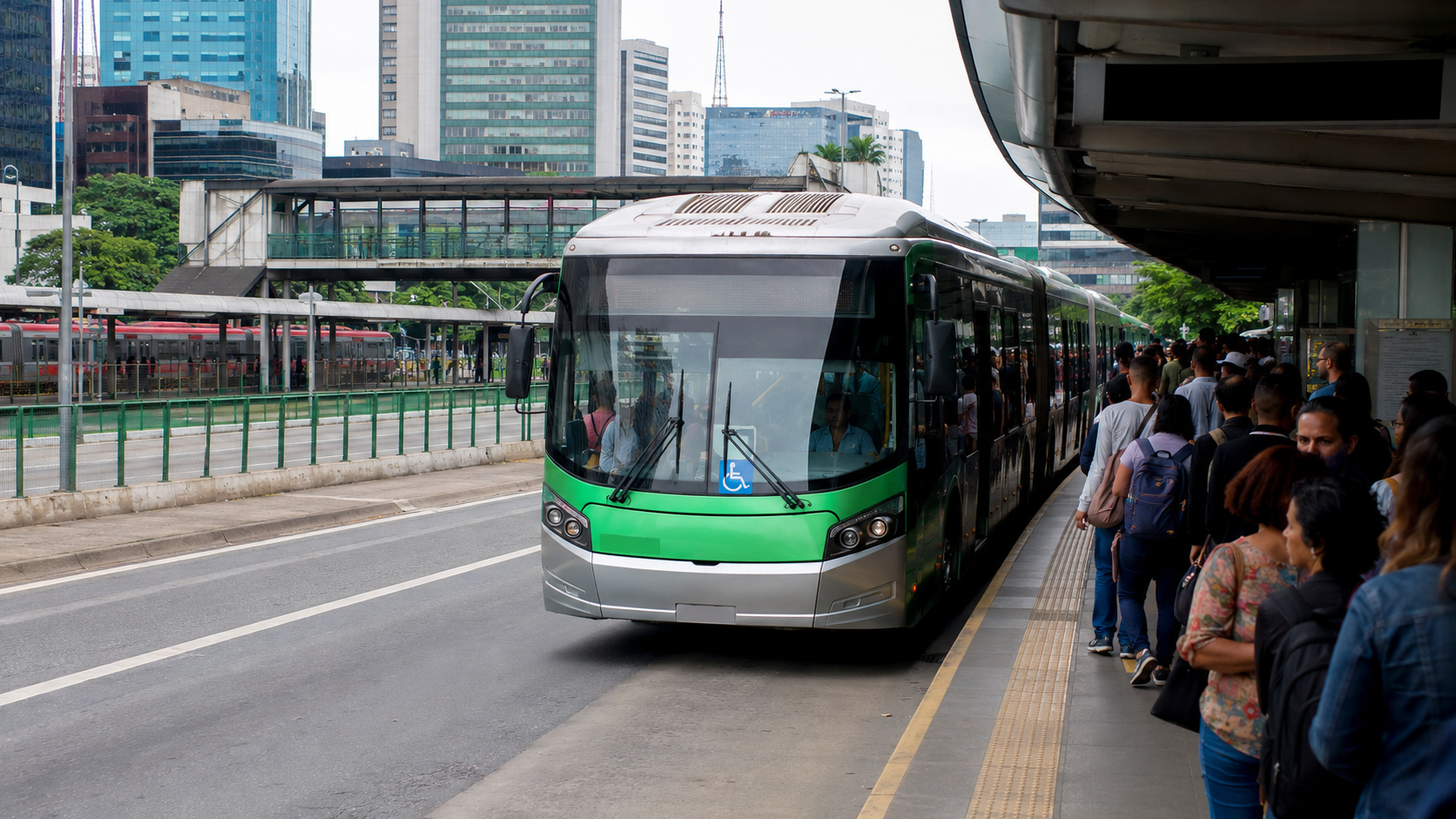
What changes with the new public transportation rules that can reduce pressure on fares and pave the way for zero fare in Brazil?
-
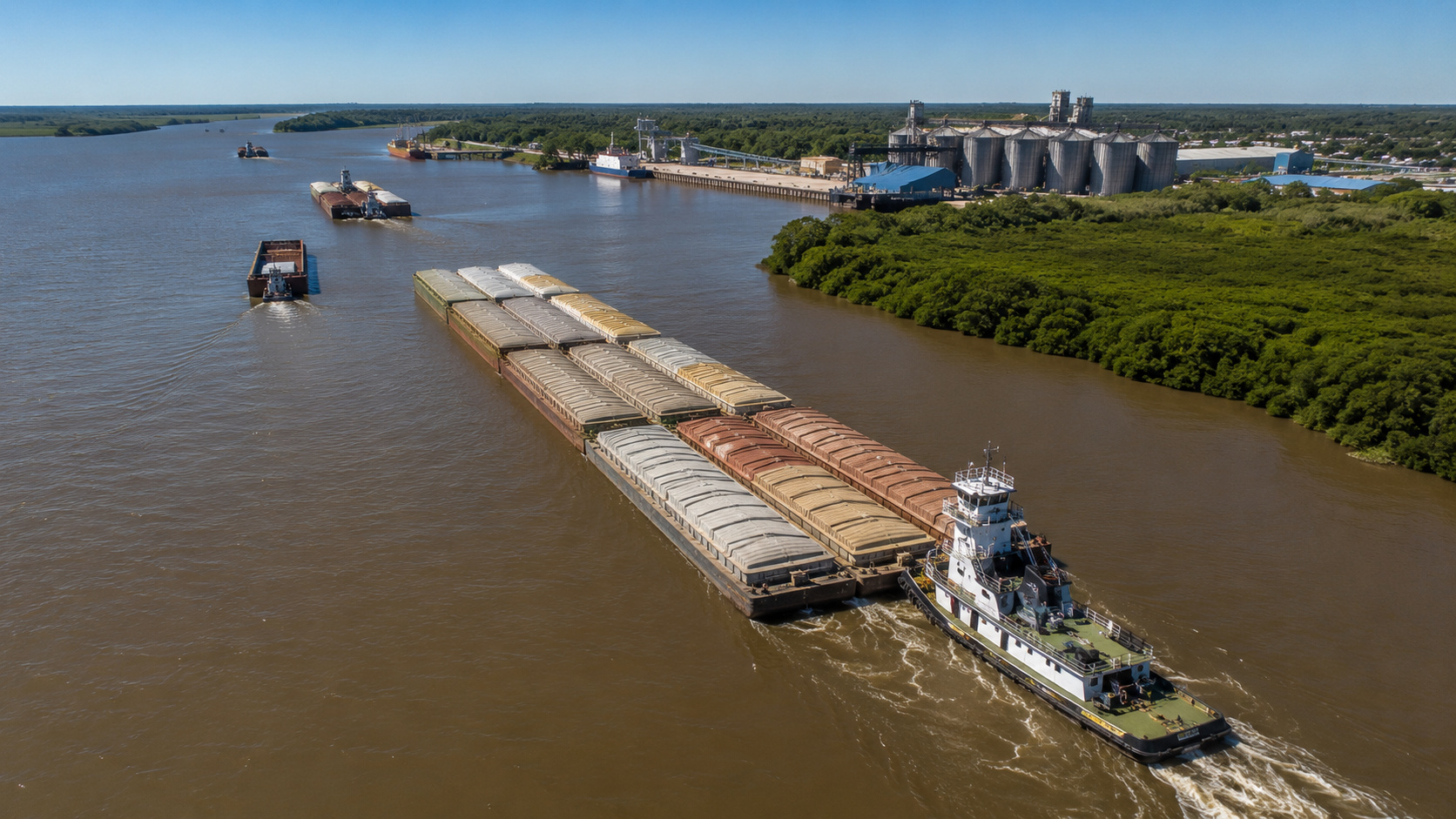
Argentina confirms Belgian giant to lead strategic Paraná River waterway and promises to reduce logistical costs on one of South America’s most important routes
-
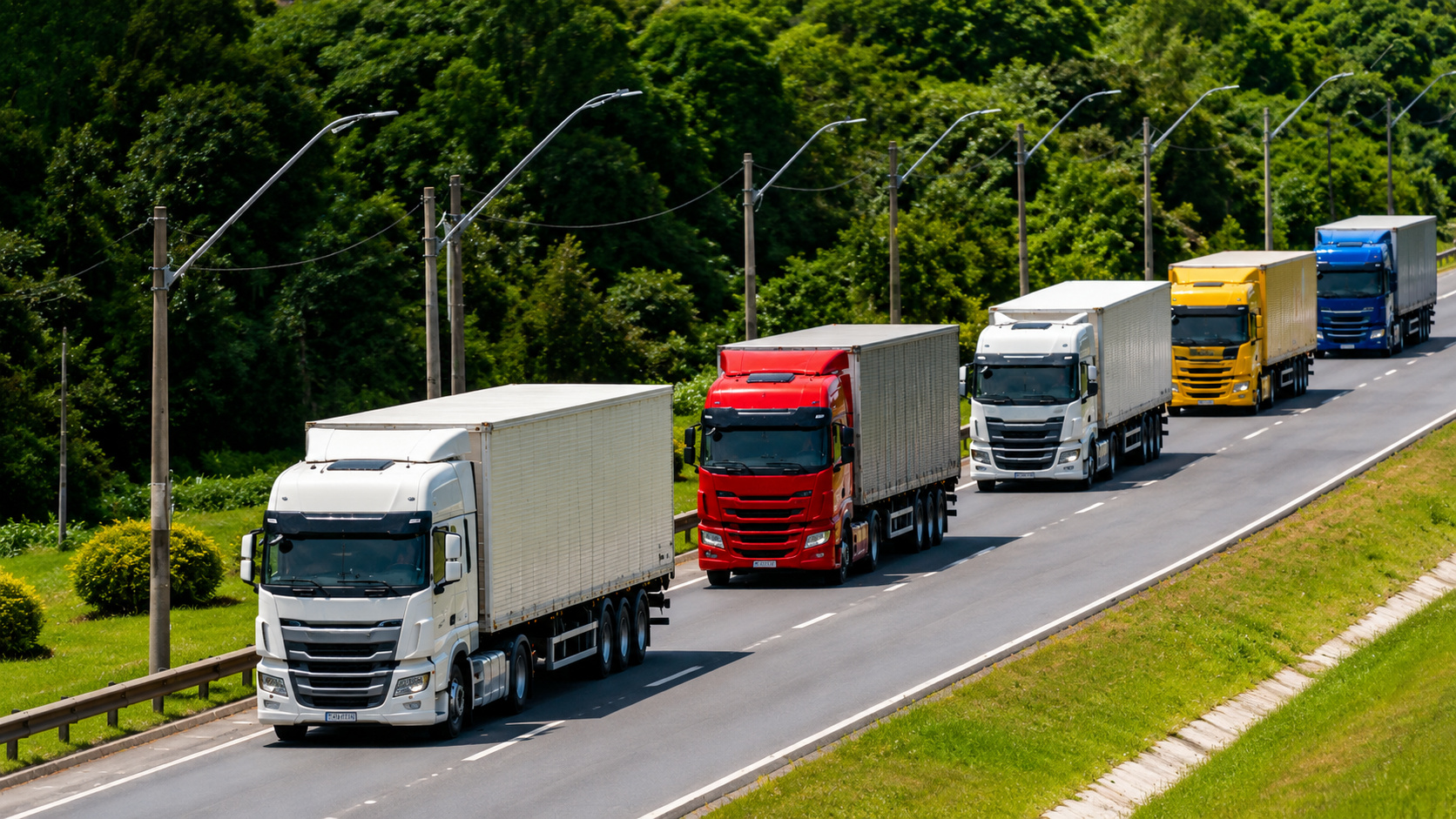
MBRF surprises the logistics sector by demonstrating how Artificial Intelligence can directly influence deliveries throughout Brazil by reorganizing distribution routes in seconds, optimizing fleet usage, reducing logistics costs, and speeding up product arrivals even in the face of unforeseen road incidents.
Why Is This Investment Historic for Mato Grosso do Sul?
The roadway network granted to the consortium, which consists of 870 kilometers, connects regions crucial for agribusiness, including areas of intense forestry activity focused on cellulose.
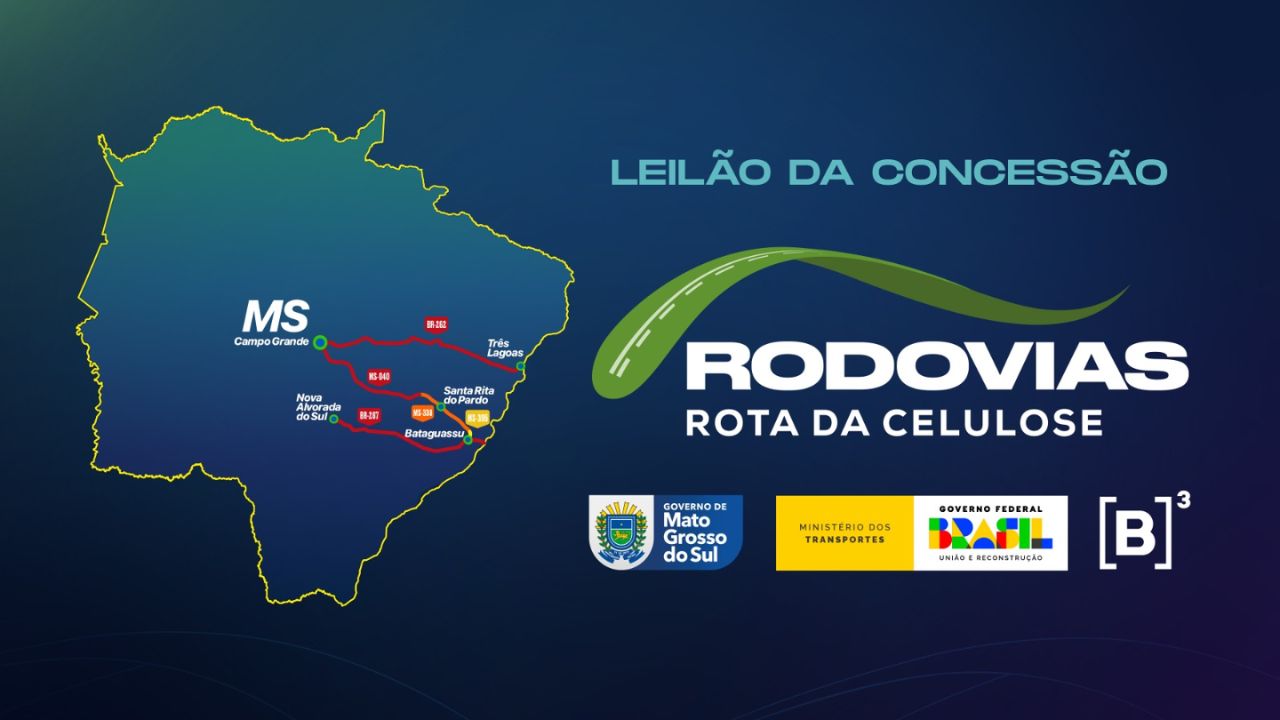
The expectation is that the improvements will bring more safety, fluidity in cargo transport, and reduced logistics costs, directly benefiting producers, companies, and the local population.
How Was the Consortium Chosen?
The process was not simple. Initially, the K&G Consortium, formed by K-Infra Concessions and Galápagos Participações, had won the auction in May, offering a greater discount on rates (9%) and an investment of R$ 217.3 million.
However, it was disqualified due to technical problems: it cited experience from the BR-393 concession, which lost validity after the contract was terminated by the Union.
With the elimination of K&G, the runner-up, Caminhos da Celulose, took the lead.
The group had proposed an 8% toll discount and an initial investment of R$ 195.6 million, in addition to proving experience in concessions such as the BR-116 stretch between São Paulo and Curitiba.
Who Is Part of Caminhos da Celulose?
The consortium brings together a diverse set of companies. In addition to the leadership of XP Infra V Investment Funds and Participations, companies such as CDL Construtora, Laços Detetores Eletrônica, Conter Construções e Comércio S/A, Construtora Caiapó Ltda, Ética Construtora Ltda, Distribuidora Brasileira de Asfalto Ltda, and Conster Construções e Terraplanagem Ltda participate.
The union of expertise was crucial to demonstrate the technical, fiscal, and financial capacity required in the process.
Roads That Are Part of the Investment Concession
The concession covers essential highways for agricultural and industrial flow in Mato Grosso do Sul.
These include MS-040, MS-338, MS-395, BR-262, and BR-267. Major works are planned: 146 kilometers of duplications, 457 kilometers of shoulders, 245 kilometers of third lanes, 12 kilometers of access roads, and 38 kilometers of urban bypasses.
Toll plazas will also be installed at strategic points, such as Três Lagoas, Campo Grande, Água Clara, and Bataguassu.
These measures aim to ensure a safer and more efficient flow for cargo and passengers on the so-called Celulose Route.
Obligations Before Signing
Despite the approval, the consortium still needs to fulfill a series of steps to officially take over the roadway network.
The deadline is 60 days and includes the establishment of a Special Purpose Company (SPE) with a minimum capital of R$ 119.2 million, a deposit of 50% of the offered amount, the presentation of guarantees of R$ 150 million, as well as opening a bank account exclusively for the concession.
It will also be necessary to pay R$ 7.8 million related to technical studies, as well as R$ 571.9 thousand in fees to B3 and to contract the required insurances.
The state government’s expectation is to formalize the contract by December, marking the effective start of the concession.
Source: Portal Celulose






Be the first to react!