






 Portuguese
  Spanish
 3 min of reading
  0 comments


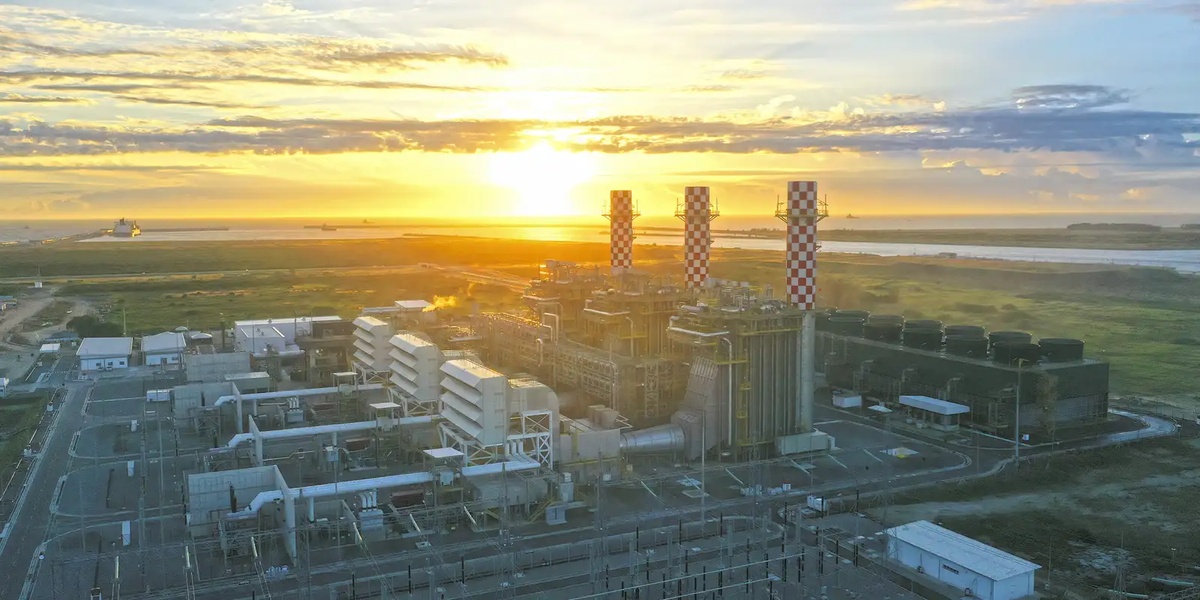
GNA II Arrives to Transform Energy Supply
On June 2, 2025, the National Electric Energy Agency (Aneel) authorized the commercial operation of GNA II. The plant is the largest thermoelectric plant in the country.
With 1.7 gigawatts (GW) of installed capacity, it is located in the Açu port complex in the state of Rio de Janeiro.
The project received R$ 7 billion in investments from a joint venture (strategic partnership between two or more companies that come together to achieve specific goals).
-
The first large-scale ethanol-powered thermoelectric plant is born in Pernambuco, surprising the energy sector and potentially opening a new phase for biofuels in Brazil.

-
Acelen advances with megabiorefinery in Bahia with a R$ 503 million investment released by BNDES and boosts the production of sustainable fuels with advanced technology capable of transforming vegetable oil and waste into green diesel and low-emission aviation fuel.

-
Petrobras announces RNEST’s historic milestone in April after the refinery reached record diesel production and strengthened the national fuel supply.
-
Petrobras Expands Refining in Brazil, Increases Production of Diesel S-10 and Gasoline, Enhances Operational Efficiency, and Reduces Import Dependence Between 2023 and 2025

Thus, the enterprise is born as a reference in capacity and innovation, promising to meet the growing energy demand in the Southeast.
Operation Entry Authorized by Aneel
Aneel published the dispatch on June 2, 2025, confirming that GNA II was approved to operate in the national electrical system.
As such, the gas-fired power plant began to supply energy to the Brazilian market. However, this is not just another thermoelectric plant.
The R$ 7 billion investment supported infrastructure, environmental licenses, and resource mobilization.
And the authorization came after rigorous regulatory and social impact analysis, according to a report released by Aneel itself.


Combined Cycle Technology and Use of Hydrogen
GNA II operates on a combined cycle, a configuration that integrates gas and steam turbines with high efficiency.
According to Aneel, this system reduces fuel consumption and improves output in electricity generation.
Moreover, the power plant adopted technology considered “eco-friendly,” as it allows operation with up to 50% hydrogen, a non-polluting gas that does not contribute to the greenhouse effect.
This resource was developed in partnership with specialized suppliers, ensuring compliance with environmental standards.
Thus, GNA II stands out for combining generation capacity and sustainability practices.
Power and Coverage of the Electrical System
Together with GNA I, which has 1.3 GW, GNA II can supply up to 14 million homes.
Furthermore, it meets the needs of the states of Rio de Janeiro, Minas Gerais, and Espírito Santo.
As a result, the combined installed capacity exceeds 3 GW.
Therefore, the impact on supply is significant, as the Southeast concentrates a large part of Brazilian industry and population.
Consequently, the power plant strengthens the regional electrical grid, reducing the risk of blackouts and voltage drops.
Energy Resilience During Dry Periods
With the arrival of the dry season in 2025, hydropower production in the country is expected to be limited.
Thus, GNA II was planned to operate during low-generation periods for hydropower plants.
According to Aneel, the plant ensures supply stability, avoiding cost increases that are passed on to consumers.
The flexibility to operate partially or fully on hydrogen contributes to maintaining reserves.
Therefore, GNA II strengthens the resilience of the national electrical system, ensuring supply even under unfavorable hydrological conditions.
Economic and Environmental Impacts
During the construction phase, which began in 2019, over 2,000 direct and indirect jobs were created in the Porto do Açu region.
Thus, local development received financial injection and technical training.
In turn, industrial operation promotes tax revenue and new opportunities for suppliers.
According to the State Secretariat for the Environment of Rio de Janeiro, GNA II adopted advanced emission control systems.
Therefore, pollutant levels are monitored daily, remaining within legal limits.
Thus, the new power plant reinforces Brazil’s commitment to innovation, supply security, and sustainable practices.







-

1 person reacted to this.