Portuguese
  Spanish


H-SUP Promises to Extend Troops’ Autonomy, Reduce Logistics, and Increase Security with Lightweight, Silent, and Durable Fuel Cell for Combat
The United States Naval Research Laboratory (US-NRL) has introduced the Hydrogen Power Generator, known as H-SUP. The portable fuel cell system promises to provide more electrical power with less weight and noise than batteries and combustion generators.
Designed for the Marine Corps’ expeditionary operations, H-SUP aims to extend troops’ autonomy, reduce enemy detection, and decrease logistical burden.
This is essential in scenarios where military personnel need electricity for radios, computers, sensors, night vision goggles, sights, and portable drones.
-
U.S. Navy’s Ticonderoga-class Cruiser Becomes a 9,800-Ton Missile Fortress with Advanced Aegis System Capable of Tracking Hundreds of Targets

-
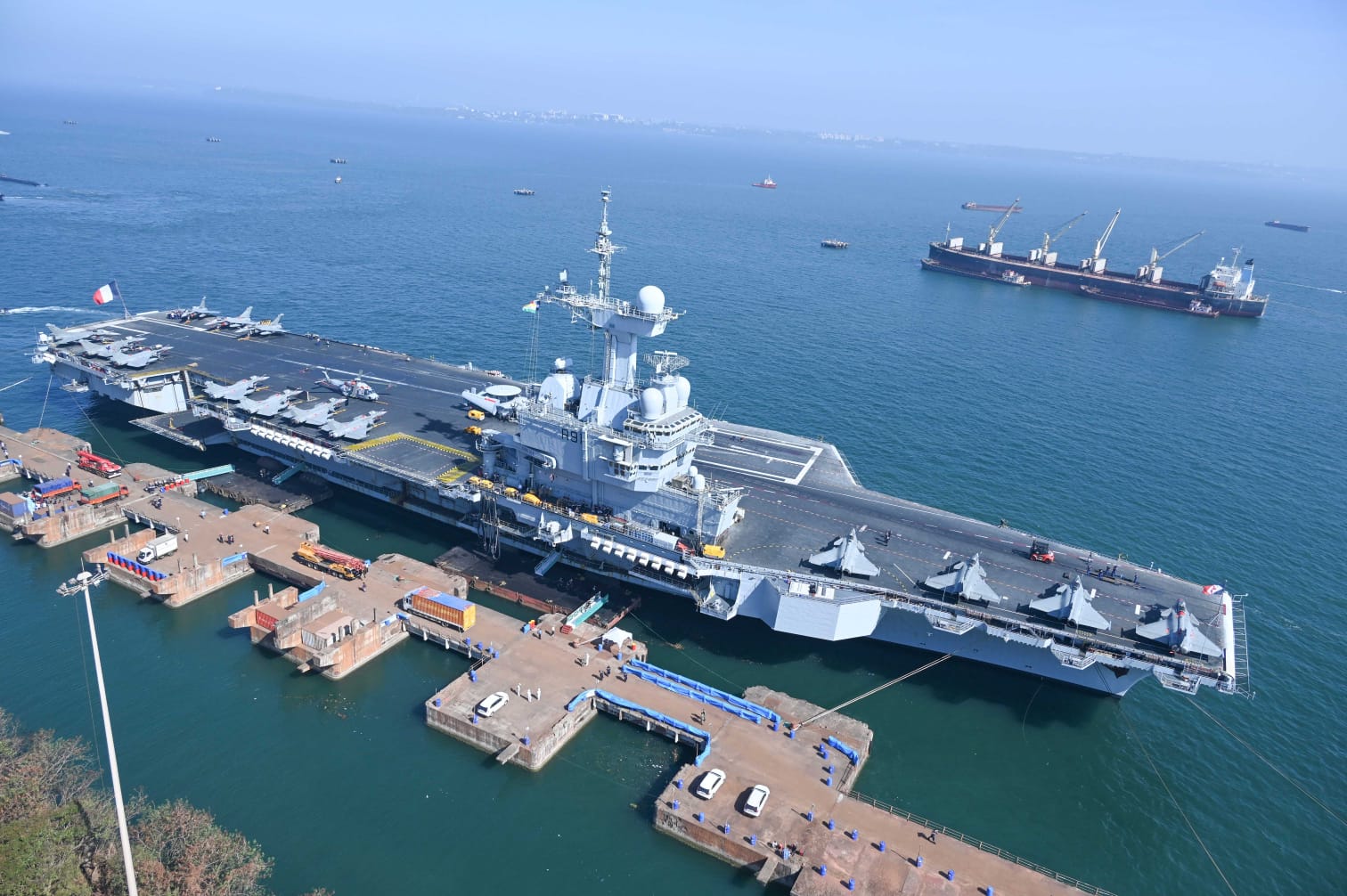
France’s Charles de Gaulle: The Sole Nuclear-Powered Aircraft Carrier Outside the US, Weighing 42,500 Tons and Equipped with Two Atomic Reactors

-
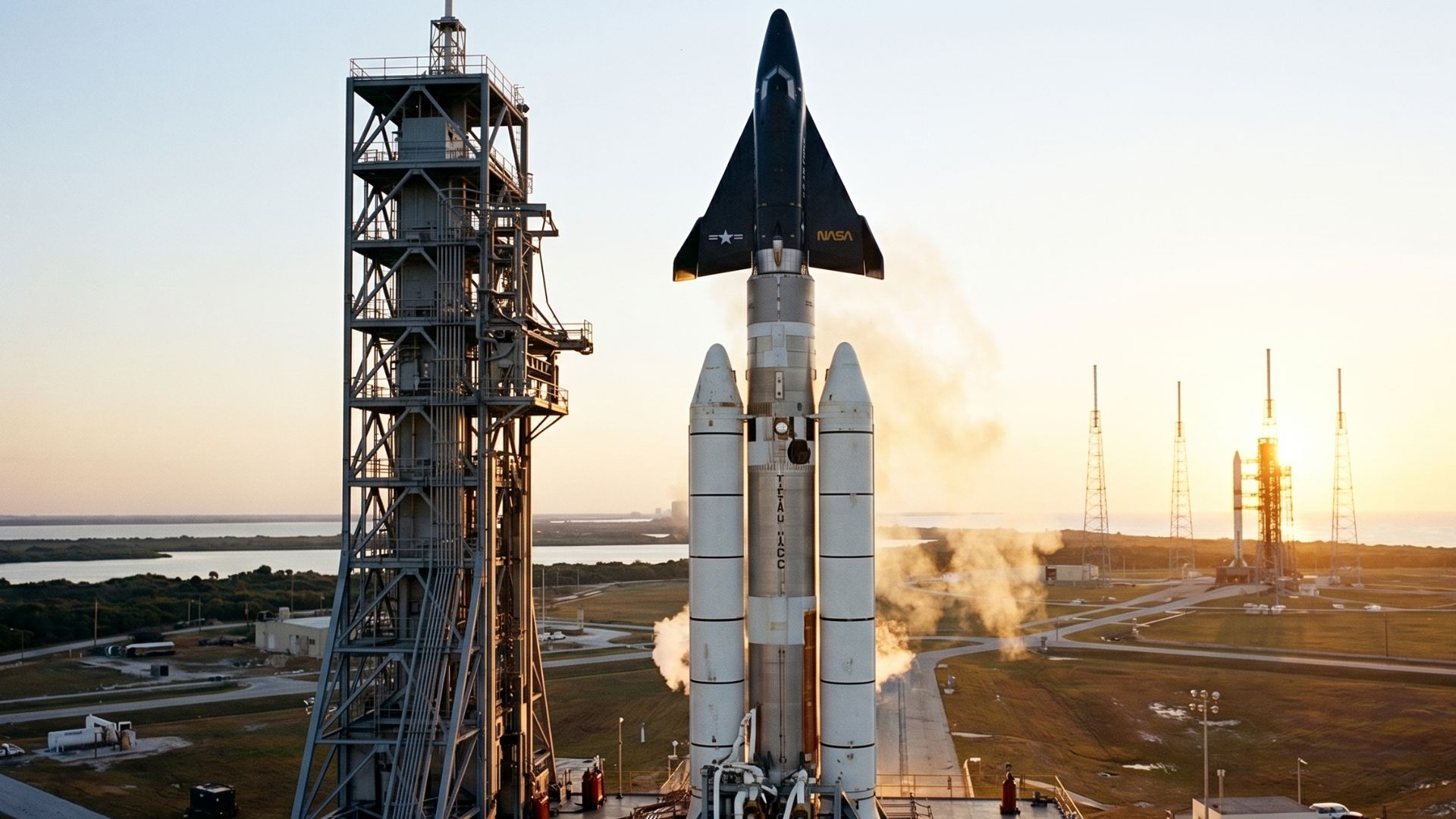
The military spaceplane that almost took the Cold War into orbit: Boeing X-20 Dyna-Soar was designed to re-enter above Mach 20, fly for up to 40 hours, land like a plane, and transform Titan rockets into a gateway to a new era of orbital warfare.
-
FAB bets on national drones and increases investments to strengthen the Brazilian aerospace industry



Efficiency and Discretion
The H-SUP is lighter and more efficient than conventional batteries. It delivers up to 1.2 kW of power, with higher energy density and lower weight, easing the burden on soldiers.
By using electrochemical reaction instead of combustion, the generator produces less heat and noise. This reduces the chances of being detected by enemy forces during field missions.
The equipment has already been tested at various Marine Corps and U.S. Army bases, with direct feedback from military personnel to enhance its performance.
Technology Adapted for Combat
According to the NRL, H-SUP is more than just a generator: it represents a strategic capability for distributed operations, allowing small units to operate with greater independence.
Its fuel cell was originally designed for unmanned aerial vehicles in the H2 Stalker program.
Now, it has been adapted to withstand field conditions, with waterproof modules that include the cell, inverter, hydrogen storage, and recharge station.
The modular construction allows for adjustments for specific missions and even integration with vehicle electrical systems.
Since it has fewer moving parts than common generators, H-SUP requires less maintenance and has an estimated lifespan of 5,000 hours.
Testing and Next Steps
The system has undergone evaluations at Camp Lejeune (2022), Marine Corps Air Station Yuma (February 2025), Marine Corps Training Area Bellows (March 2025), and at the Twentynine Palms Combat Center. It was also tested with the 101st Airborne Division at Fort Polk in May 2025.
The most important aspect is that the feedback obtained from these operations will be used to improve usability, durability, and integration. The goal is to transform the prototype into a definitive operational solution.
The project is funded by the Office of Naval Research and supported by industry, with participation from companies like Northwest UAV and Noble Gas Systems.
With information from Olhar Digital.