






 Portuguese
  Spanish
  3 min of reading
  0 comments


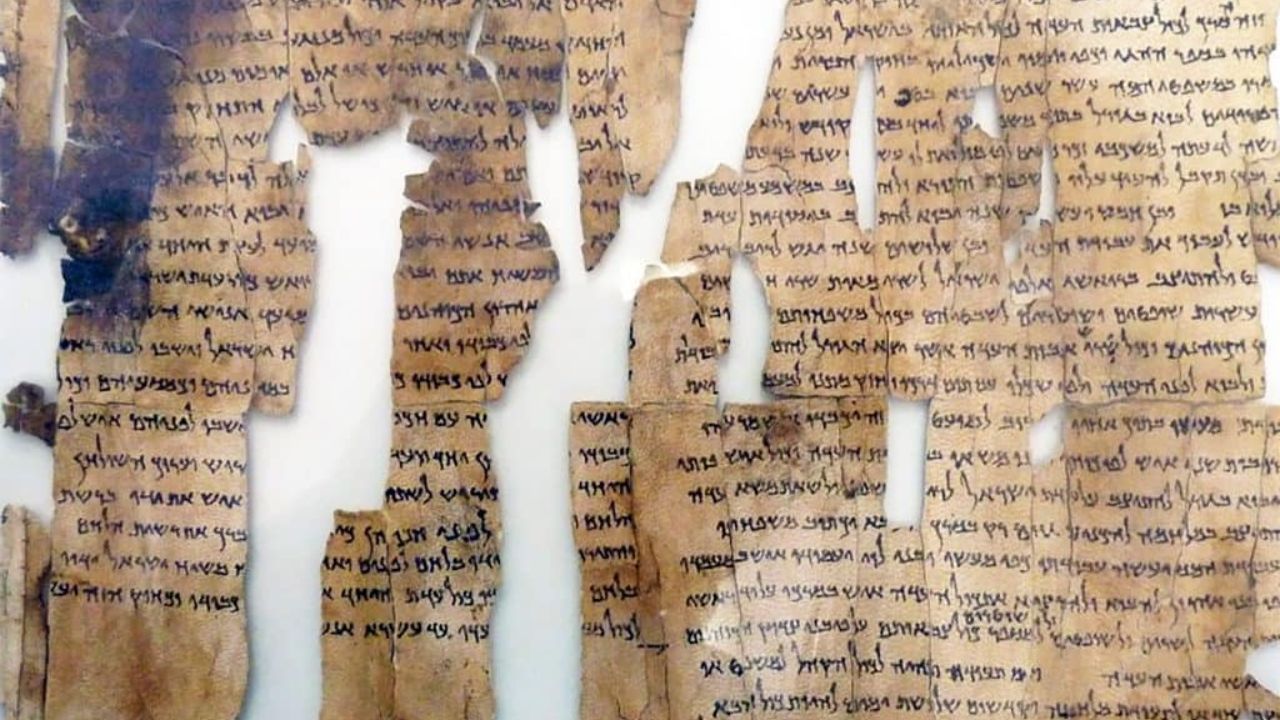
Ancient Egyptian Papyrus Reveals Intriguing Account of Alleged Animal Resurrection and Rekindles Debate Among Historians on Ancient Magic.
An old manuscript from Egypt has sparked curiosity among scholars by revealing an episode that resembles what we now understand as a magic trick. The Westcar Papyrus, written over three thousand years ago, contains stories set in the time of Pharaoh Khufu and includes a tale about a man capable of making decapitated animals walk again.
The narrative raises questions about who created this account, what it describes, when it was put on paper, where it takes place, how the events are recounted, and why it still intrigues modern researchers.
The document is not just a simple record; it is a mosaic of tales that reflect the beliefs, fantastical accounts, and fertile imagination of Antiquity.
-
An African fish is terraforming lakes by altering sediments, increasing turbidity, and changing the food chain: the silent advance of the tilapia Oreochromis niloticus

-
In the USA, thousands of people are being paid to wash dishes and clean the house with body cameras, every movement turning into data to train robots to imitate humans, in a new “digital gig” that could redefine the future of domestic work.

-
At 22 years old, a young person from Recife creates an artificial intelligence startup with a team barely over 25, serves giants like Bayer and Ipiranga, earns millions without taking a cent from investors, and transforms a young company into a national AI phenomenon.
-
The invisible danger inside the house: plugging too many devices into the same outlet and spreading extensions throughout the rooms can overload the electrical network, silently heat wires, and turn a common habit into one of the leading causes of house fires.





Thus, even without material evidence attesting to its literal truth, it remains a valuable piece for understanding how the ancient Egyptians dealt with the inexplicable.
A Legendary Episode of “Resurrection” of Animals in Ancient Egypt
In the collection of five stories that compose the Westcar Papyrus, the fourth tale is the most striking.
In it, Prince Hordjedef introduces Pharaoh Khufu to an old sage named Djedi, described as someone with an impressive 110 years of age and remarkable strength, capable of drinking 100 jugs of beer per day.
However, the episode that most intrigues modern eyes is Djedi’s alleged feat: the ability to reattach severed heads on animals.
The narrative describes that to demonstrate this power, the magician chose a goose — after refusing to use a prisoner for the demonstration — and decapitated it.
Then, after performing a spell, the animal supposedly walked normally with its head back in place.
According to the text, this “trick” was repeated with another bird, a waterfowl, and even a bull.
Myth or Fact? The Debate Over the Existence of Djedi
Despite the detailed richness of the scene, there are no archaeological records or reliable historical sources that prove that Djedi actually existed.
Thus, the academic community treats this type of passage as part of the Egyptian literary tradition, full of symbols, metaphors, and fabulous elements.
The document itself makes it clear that the narrative has a mythical or literary character, not a historical one.
Studies suggest that such episodes were likely crafted to entertain, inspire, or convey some teaching, and not to record a real event.

Clues and Controversies About Magic in Ancient Egypt
Researchers have attempted to find other traces of practices similar to modern magic in Egyptian artifacts. A frequently cited example is an inscription in the tomb of Baqet III, dated from the 21st century B.C.
Some scholars have suggested that it could represent a type of trick or performance cataloged as magic.
On the other hand, many experts disagree with this interpretation and argue that the drawings represent a type of game or cultural activity with no connection to illusionism.
This controversy illustrates the difficulties of interpreting ancient symbols from a contemporary perspective.
When Magic Appears for the First Time in Recorded History
Although the account from the papyrus is fascinating, the first reliable reference to a magic trick documented historically appears only centuries later, in 65 A.D.
The philosopher Seneca the Younger, in his Moral Letters to Lucilius, describes the trick of the “Cup and the Juggler’s Dice”, establishing a milestone in the record of practices that approach what we today recognize as illusionism.
This Roman mention is often cited in studies as the first reliable documented case of a trick recorded in a trustworthy source, contrasting with legendary accounts like that of the Egyptian papyrus.





Be the first to react!