






 Portuguese
  Spanish
  5 min of reading
  0 comments


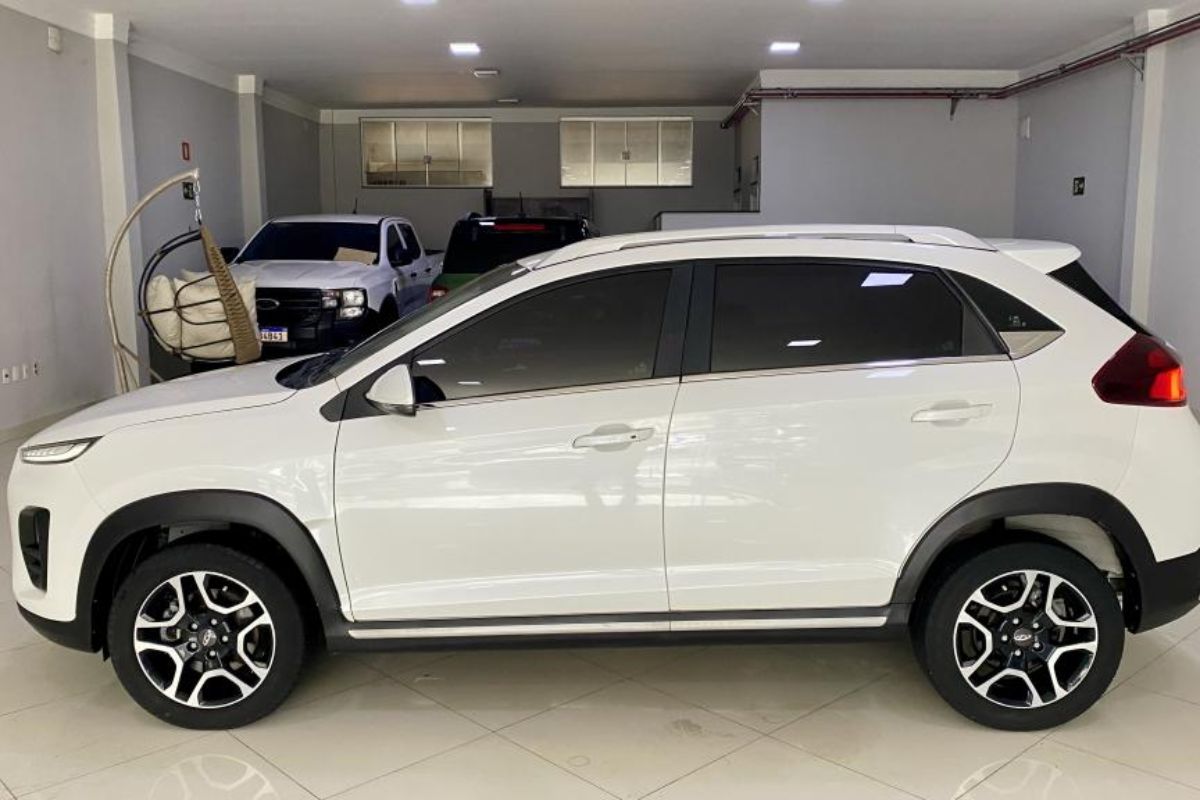
In Workshops And Groups Of Mechanical Owners, Mechanics Describe Five Cars That Attract With Price Or Appearance, But Cost In Maintenance, Parts And Downtime. Tiggo 3X, 206, C3, Amarok And Kwid Make The List For Early Failures And Performance Below Expected Until 2026 And Become A Headache.
In 2026, mechanics rang the alarm again for a pattern that repeats in Brazil: some models seem like good deals in the advertisement, but turn into a test of patience when maintenance starts knocking at the door and the workshop becomes a frequent destination due to hard-to-find parts and failures too early.
The point is not to demonize brands or owners, but to understand why certain cars accumulate similar reports. When costs appear in chain, the budget slowly disappears, and the buyer finds out late that the problem was not just one repair, it was the combination of design, parts, and labor.
Why Some Cars Become Synonymous With Workshop
In general, what pushes a car onto the “avoid if possible” list is not an isolated defect, but the combo.
-
Uber Faces Shareholder Scrutiny as Board Accused of Ignoring Safety, Compliance, and Harassment Warnings Amid Over 3,500 U.S. Lawsuits

-
Ferrari’s First Electric Car Divides Fans, Priced at $630,000, Amid Concerns Over Limited Editions; Brand Clarifies It’s Not Just for Future Perks
-
BYD Dolphin Mini: The Electric Car That Defies Depreciation, Losing Only 3.58% in a Year and Becoming the Best-Selling Retail Model Under $22,000

-
Electric Car JAC E-JS4 Loses $19,000 in Value in One Year, Leading Record Depreciation of Used Cars in Brazil Due to Expensive Battery and New Models


Difficult maintenance, scarce parts, and performance below what the driver expects create a domino effect: the car stays parked longer, expenses grow, and usage turns into adaptation to the problem.
Mechanics describe that frustration increases when the solution is not straightforward.
Sometimes, the service even exists, but it relies on a specific professional, a long-wait part, or a diagnosis that changes with each visit.
And in 2026, with tight schedules, few people tolerate a car that imposes workshop appointments as if it were a fixed commitment.
Tiggo 3X And The Hidden Risk In The Parts
In the case of the Tiggo 3X, the most repeated alert from mechanics focuses on two fronts: availability of parts and difficulty in finding professionals truly familiar with the model.
When the part does not appear quickly, maintenance turns into a waiting period, and this weighs more than the defect itself.
The practical impact is simple to understand. A buyer might accept doing revisions, replacing components, and taking care of the basics, but becomes vulnerable when they need something specific and the solution is not on the shelf.
In 2026, this type of bottleneck transforms a common repair into anxiety, especially for those who depend on the car every day.
Peugeot 206 And The Suspension That Demands Constant Attention
The Peugeot 206 enters the conversation with a label that bothers owners: suspension problems that require frequent attention.
Mechanics report that the look and story of the model still attract, but the reality of maintenance can be more insistent than it seems on the first test drive.
Here, the risk is repetition.
When the car requires constant return for the same setup, the owner loses peace and predictability because it’s not just money, it’s time and trust.
For those buying in 2026 hoping to drive without surprise, any workshop routine that repeats soon turns into a red flag.
Citroën C3, Engine And Transmission At The Center Of Frustration
The Citroën C3 appears with criticisms related to the engine and transmission that do not deliver the experience the buyer imagines when looking at the refreshed design.
Mechanics describe the problem less as a “breakdown” and more as a continuous feeling of unsatisfactory performance, which turns into regret for those expecting a different response from the setup.
This matters because a car is not measured solely by aesthetics.
When performance does not keep up with the promise, the owner starts seeing defects in everything, and maintenance begins to be interpreted as inevitable, even when the item is simple.
In 2026, this perception weighs on resale and the emotional cost of keeping the car.
Amarok And Kwid, Two Extremes With A Similar Problem
The Amarok usually makes the list for a reason that surprises those who buy by the image of robustness: frustration with the engine’s power for those needing higher performance.
Mechanics report that disappointment comes from expectations, and unmet expectations often turn into recurring complaints, especially when usage is demanding.
The Kwid, on the other hand, appears due to criticism of its fragile structure and mechanical issues even at low mileage.
When failures emerge early, the owner starts driving expecting the next visit to the workshop, and any noise becomes suspicious.
In 2026, this undermines the sense of savings because the cheap option loses meaning when maintenance and parts become repeated costs.
How To Reduce Risk Before Buying In 2026
Mechanics often insist on a point that seems obvious, but many people ignore: buying a car without checking its history is buying surprise.
A careful inspection, focusing on maintenance and availability of parts, is worth more than excitement about appearance.
This includes talking to a trusted workshop, asking for records, and understanding what has already been replaced.
Another strategy is to align the car with real usage. If you drive a lot, you need predictability and depend on quick service, the weight of scarce parts increases.
In 2026, with the market fluctuating and routines tight, the best deal is usually the one that reduces visits to the workshop, not the one that looks “nicer” in the display.
The mechanics’ list is not a sentence, it is a warning about risk.
Tiggo 3X, 206, C3, Amarok, and Kwid appear together because, each in their own way, concentrate reports of difficult maintenance, complicated parts, frustrating performance, and early failures, precisely the type of combination that silently destroys budgets.
I Want A Very Personal Answer: What Car Has Left You Stuck In A Workshop Due To Parts Or Maintenance, And What Would You Do Differently If You Were Buying In 2026: Would You Pay More For Predictability Or Take The Risk For The Price?





Be the first to react!