






 Portuguese
  Spanish


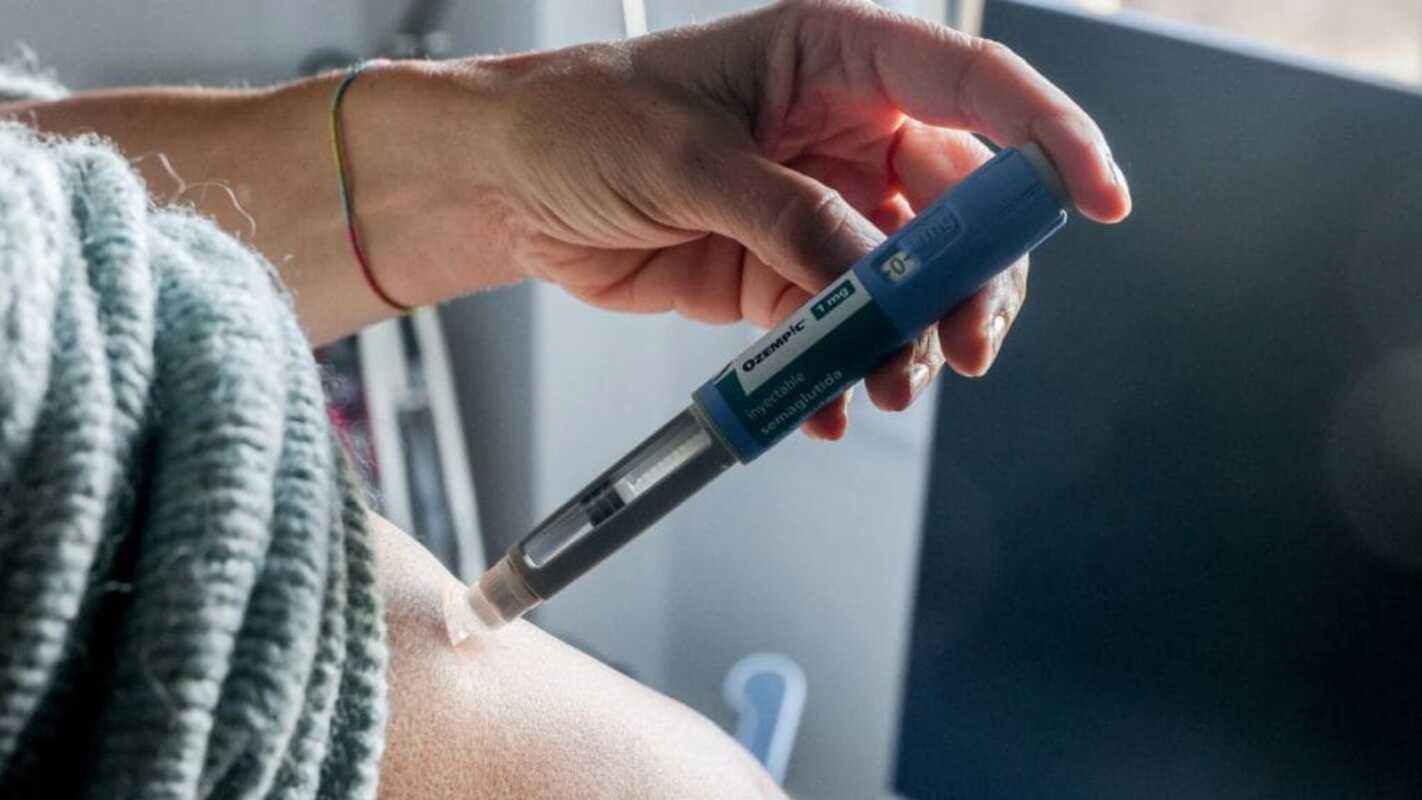


Learn More About The Arrival Of The So-Called “Brazilian Ozempic,” A Version Of Liraglutide That Promises To Be Cheaper And More Accessible.
A new and promising option for the treatment of diabetes and obesity has just arrived on the national pharmaceutical market.
The largest pharmaceutical laboratory in Brazil, EMS, under the command of the NC group, announced the arrival of a version of liraglutide that promises to be cheaper and more accessible.
The first liraglutide pens are already in the warehouses of the largest pharmacy chains and will start being sold from next Monday, August 4.
-
Scientists Used Space Particles to Reveal Structures Above a Submerged Tunnel Without Drilling

-
Astronomers Use James Webb Telescope Data to Trace the Path of Giant Exoplanet WD1856b, Which Survived Its Star’s Destruction and Migrated to a Close Orbit 80 Light-Years from Earth

-
After 79 Attempts, Students Create Corn Waste Bioplastic That Turns into Fertilizer and Grows Plants When Buried
-
Brazilian Public School Students Win $5,000 at World’s Largest Science Fair with Innovative Water Filter Made from Local Charcoal


Liraglutide And EMS’s Big Bet
Liraglutide, the active ingredient in EMS’s new medications, is a molecule from the class of GLP-1 analogs, which has proven effective in glycemic and weight control.
The public is already familiar with this substance, as it is the same active ingredient in Saxenda, one of Novo Nordisk’s most popular medications, as well as semaglutide present in Ozempic.
EMS’s initiative is a milestone for the national pharmaceutical industry, representing a strategic investment of over R$ 1 billion to enable the production of the pens.
This investment culminated in the inauguration of a modern peptide factory in the country in 2024, in Hortolândia (SP), ensuring that the entire process is conducted on national soil.
Availability And Affordable Prices
Starting next week, the medications Olire, for the treatment of obesity, and Lirux, for the control of type 2 diabetes, will be available at Raia, Drogasil, Drogaria São Paulo and Pacheco chains, bringing new options to millions of Brazilians.
Initially, a total of 100 thousand Olire pens and 50 thousand Lirux pens were distributed.
The main advantage for the consumer, besides national production, is the more affordable prices.
The medications will have suggested prices starting at R$ 307.26 (pack of 1 pen), R$ 507.07 (Lirux with 2 pens) and R$ 760.61 (Olire with 3 pens).
The estimate is that these prices represent a significant savings compared to imported products, making treatment more viable in the long term.
Growth Projection And Market Impact
The pharmaceutical company stated that the initial distribution is just the beginning.
The expectation is that, by the end of this year, 250 thousand units should be available in retail, with a progressive increase in production capacity.
The goal is to reach the mark of 500 thousand pens by August 2026, solidifying the presence of the medications in the market and meeting the growing demand for effective treatments for obesity and diabetes.
EMS’s initiative not only strengthens the national industry but also promises to democratize access to essential therapies for the health of the population.




Que bom, muitas pessoas realmente precisam, um medicamento desse não pode ser previliegio de poucos pela ganancia de uma minoria.