Portuguese
  Spanish




Deportations In The U.S. May Compromise Housing Goals In Utah. Construction Sector Warns Of Labor Shortages And Increased Costs Of New Housing.
The recent deportation measures by President Donald Trump’s administration in the United States may directly affect the availability of labor in the construction sector. The state of Utah is one of those that could feel the first impacts, jeopardizing Governor Spencer Cox’s goal of building 35,000 starter homes by 2028.
According to 2023 data from the Utah Department of Workforce Services, about 135,000 people work in the construction industry in the state. It is estimated that at least 12,000 of these workers are in the country without regular immigration status. The estimate is based on a survey conducted by the Washington-based Migration Policy Institute, using census and income data.
Trump’s New Deportation Rules Increase Risk Of Labor Shortages
Recent changes adopted by the Trump administration may accelerate the deportation process for undocumented workers, even if they have no criminal convictions. Among the changes is the allowance for “collateral arrests,” meaning detentions of individuals found without legal status during actions targeting other subjects.
-
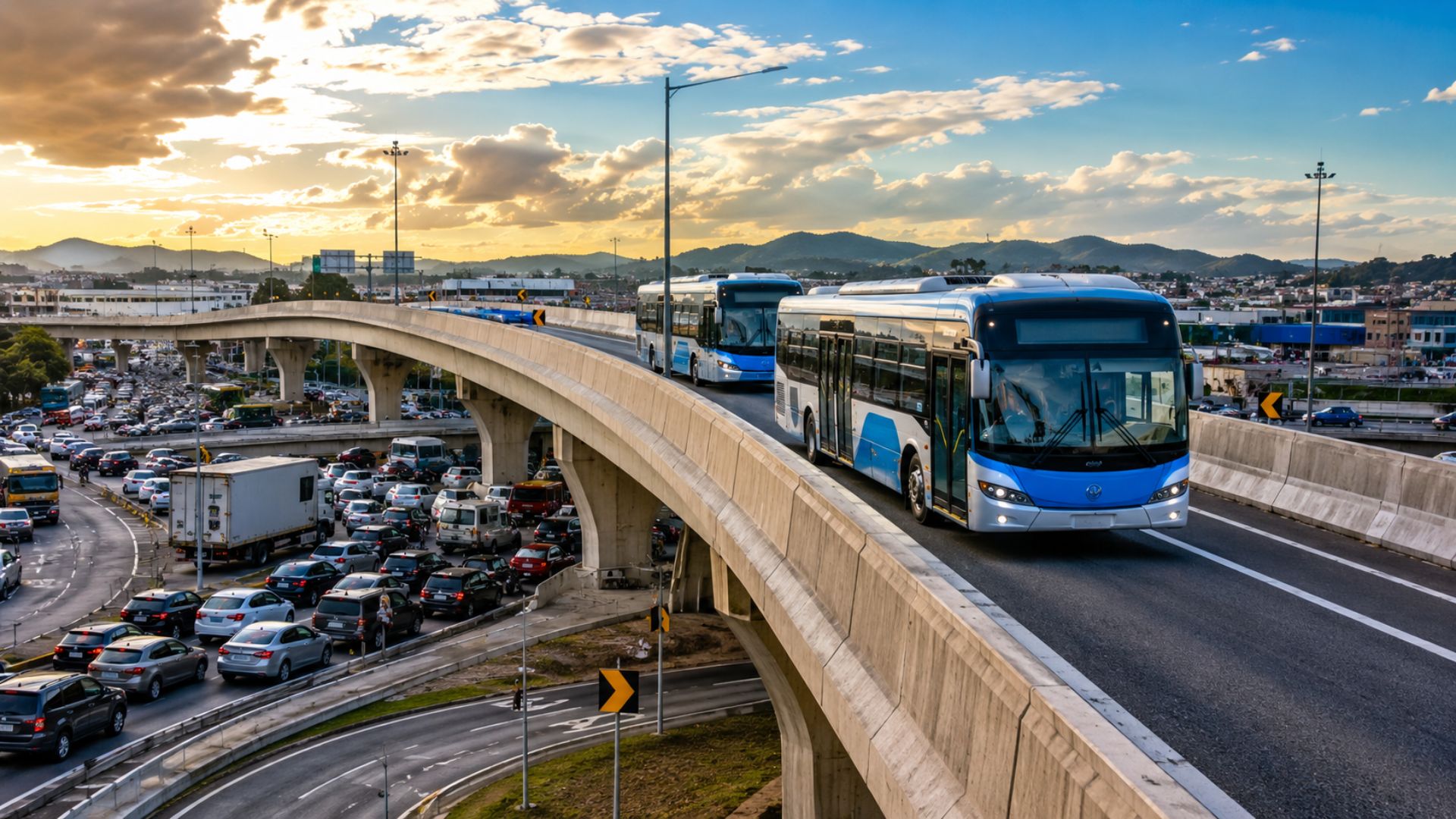
Rio de Janeiro Traffic Relief: Long-Awaited Change Promises to Cut 15-30 Minutes from BR-040 Commute, Easing Access to Avenida Brasil.

-
China Installs Massive Domes Over Urban Construction Sites, Blocking Up to 99% of Dust

-
Brazil’s Minas Gerais Government Signs Agreement for Ring Road to Divert Heavy Trucks Away from Urban Center

-
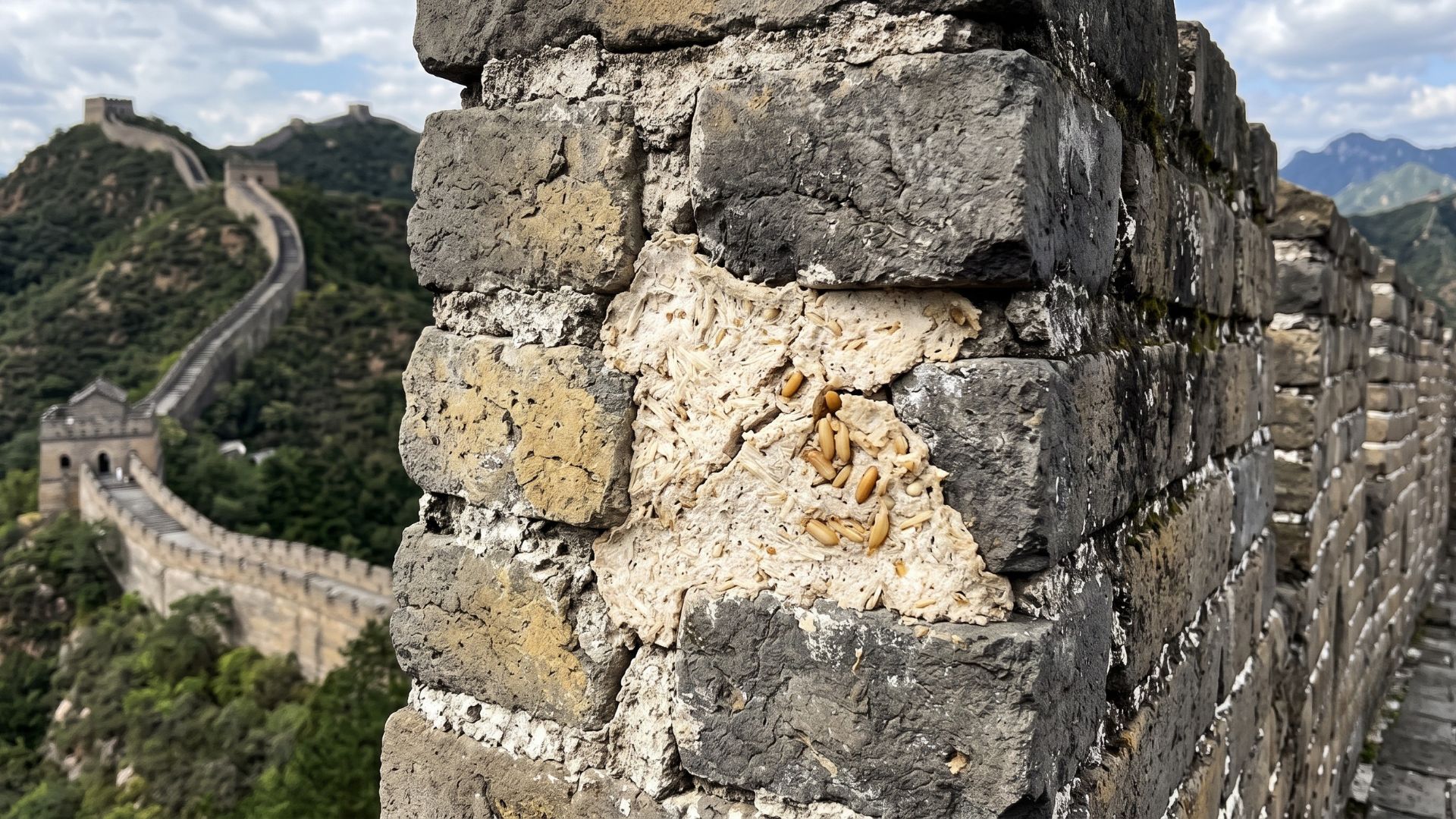
The Great Wall of China was built with a surprising kitchen secret: sticky rice mixed with lime created a mortar so durable it has withstood centuries, earthquakes, and human destruction.




Another measure in effect is the Laken Riley Act, signed into law in January 2025. The legislation mandates that individuals without legal status accused of certain crimes — even if not convicted — must be detained and deported. This includes offenses like simple theft or petty larceny, which may affect immigrants who previously would not have been subject to immediate removal.
Experts Warn Of Rising Construction Costs
According to Steve Waldrip, the senior adviser to the governor of Utah for housing strategy and innovation, the removal of this segment of the workforce may further pressure prices in the sector. He states that there is a real risk of imbalance in the production chain.
“I believe there is a concern that if we lose this segment of our construction workforce, we will feel that prices are already too high,” Waldrip said.
A study conducted by researchers from the University of Utah, Amherst College, and the University of Wisconsin-Madison is currently undergoing scientific review. The research analyzed the effects of the Secure Communities program, implemented between 2008 and 2013, which shared biometric data with the U.S. Department of Homeland Security to identify immigrants without regular status in local custody.
Study Indicates That The Introduction Of Trump’s Program Led To A Decline In Construction And Increased Housing Prices
The study revealed that the introduction of the program resulted in a shortage of construction workers, especially among undocumented immigrants. This led to reduced construction rates, decreased housing supply, and increased construction costs in various regions analyzed.
In some areas, builders reduced the size of homes as a way to balance costs. According to Dayin Zhang, one of the authors of the study, the impact varied according to the proportion of the local workforce composed of immigrants in irregular situations.

The researchers also found that large-scale deportations did not significantly increase the number of jobs for U.S.-born workers. Wages rose slightly, and many low-skill positions remained unfilled. According to Zhang, the absence of labor for entry-level roles affects the entire production chain in the housing sector.
“If you don’t have people framing the house or installing the drywall, you don’t have work for inspectors or electricians,” he said.
Utah’s Housing Goal May Be Jeopardized
The goal of building 35,000 affordable homes by 2028 was established as part of Utah’s government plan to expand access to housing. However, according to Waldrip, rising costs may undermine the outlined objectives.
“The price is part of the starting price. If we get too high, it stops being a starting price,” he explained.
Starter homes target families buying their first property. The high cost of construction, combined with labor shortages, may make this type of housing unaffordable for a large part of the population.
Crisis In The Construction Sector In The U.S.
The situation in Utah may be repeated in other states with a high presence of undocumented workers in construction. Deportation measures may create ripple effects on the supply, prices, and delivery timelines of housing projects.
Despite expectations that the sector will adjust over time, replacing thousands of experienced workers with new professionals may take years. The construction industry in the U.S. relies heavily on immigrant labor for essential roles on job sites.
According to experts, the debate surrounding immigration policies should consider the economic effects of deportations, especially on sectors such as housing, which directly rely on foreign labor.