Portuguese
  Spanish


Angola is about to activate the largest hydroelectric power plant in its history, a concrete wall erected over a large African river, capable of generating more than two gigawatts of energy and changing the life of a country where a significant portion of the population still lives without reliable electricity.
Few things transform a country as much as the arrival of abundant and cheap energy. This is precisely the turning point that Angola is about to experience, with the operation of the Caculo Cabaça hydroelectric plant on the Kwanza river. With about 2.17 gigawatts of capacity, it will be the largest in the country and one of the largest hydroelectric projects to become operational in the world in 2026.
For a nation where there are still entire regions without access to stable electricity, a plant of this magnitude is much more than an engineering project. It is the promise of factories that can operate without blackouts, hospitals and schools with guaranteed energy, and millions of people coming out of the dark. We sometimes forget how much the light that turns on with a switch changes a life.
The engineering of taming a great river
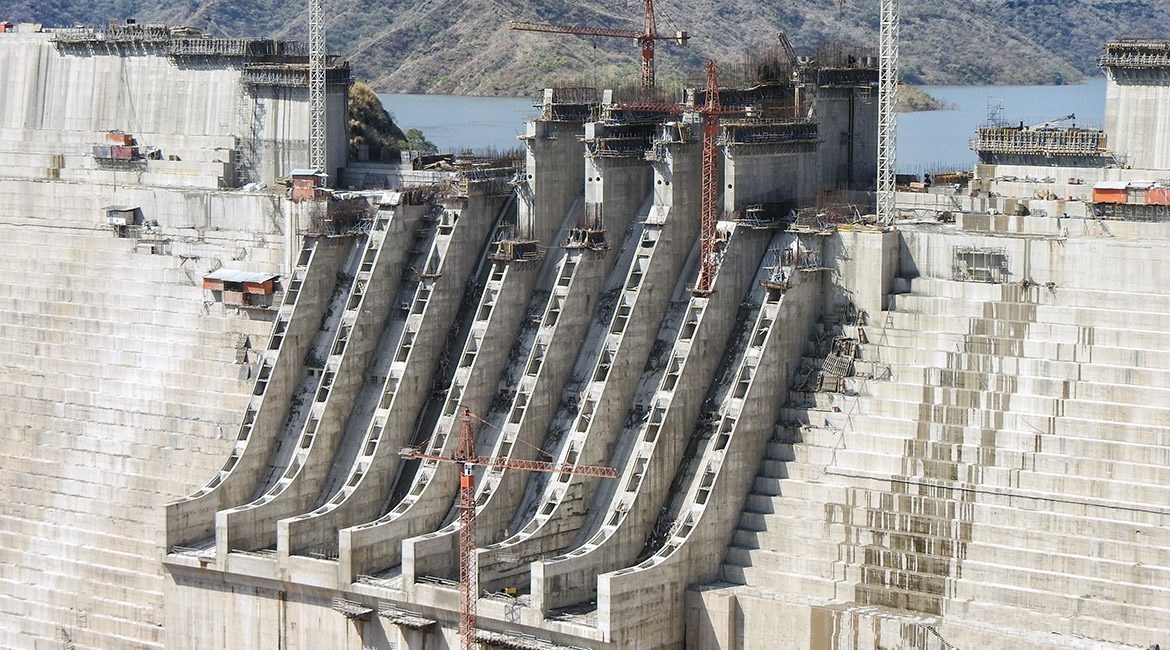
Building a hydroelectric plant of this size is one of the most complex projects known to engineering. It requires erecting a massive concrete barrier to dam the river, creating an artificial lake behind it. The accumulated water is then released in a controlled manner, passing through giant turbines that spin and transform the river’s force into electricity.
-
While the World Opens New Airports and High-Speed Trains, Brazil Rushes to Complete Projects Stalled for 40 Years

-
Brazil Invests in Massive Waterway to Transport Soybeans by Barge, Reducing Costly Truck Reliance
-
Bridge Rebuilt in Just One Year Reconnects Two Brazilian States
-
Custom Furniture Costs in Brazil Expected to Range from $350 to Over $1,450 per Square Meter by 2026, with Kitchens, Closets, and Laundries Highlighting the Impact of Premium Features


I confess that the scale of these projects impresses me. We are talking about millions of tons of concrete, temporarily diverting the course of an entire river during construction, and installing machines the size of buildings inside. All this in the middle of nature, far from major cities, requiring years of work and an army of workers and engineers to tame the power of the Kwanza.
What changes for Angola
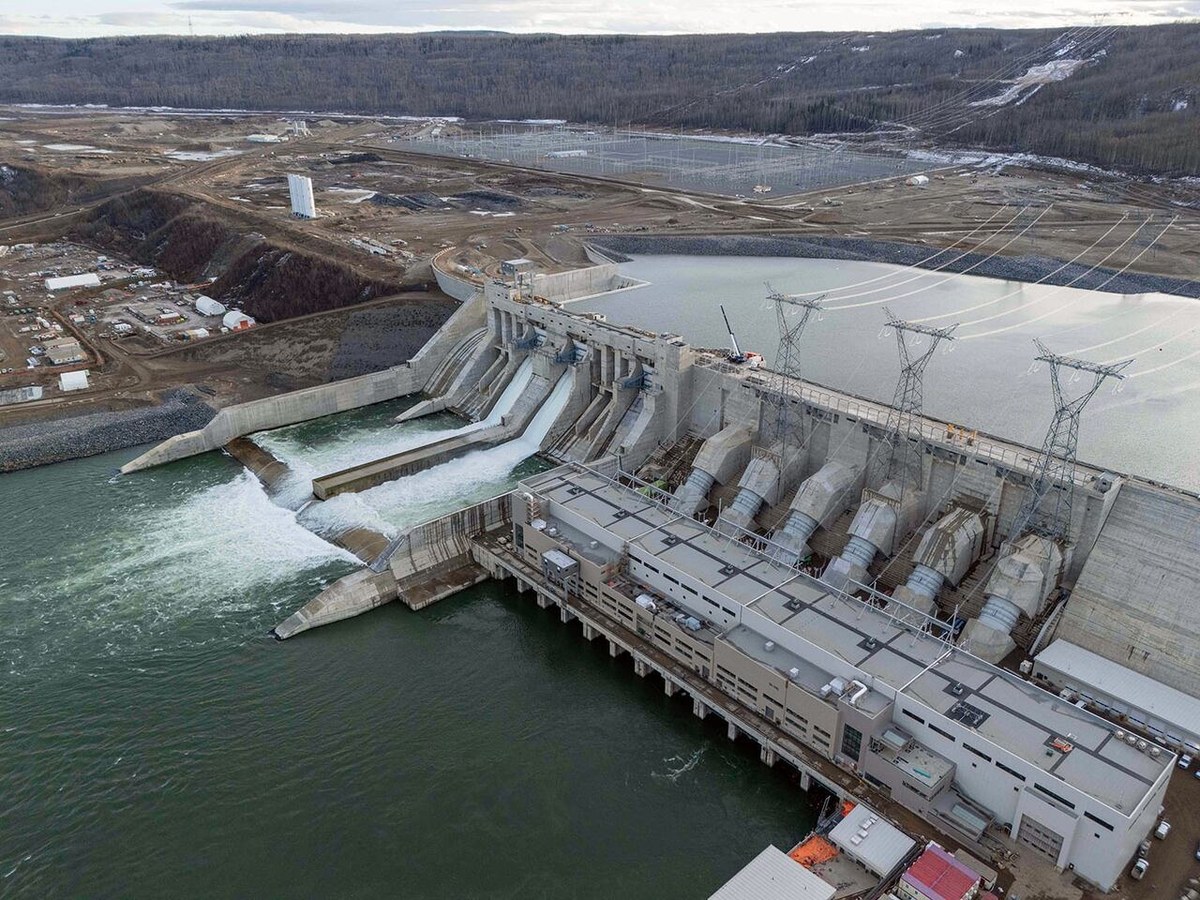
The impact of Caculo Cabaça on the lives of Angolans can be enormous. With more energy available, the country reduces the risk of blackouts, decreases dependence on expensive and polluting generators, and opens space for industry to grow. Cheap and abundant energy is one of the most important ingredients for the development of any nation, and Angola is betting on it.
Furthermore, being a hydroelectric plant, it generates electricity from the force of water, without burning fossil fuels. For a country that has historically relied heavily on oil, diversifying the energy matrix and investing in clean energy is also a way of thinking about the future. The river’s force, which has always been there, is now being converted into progress for millions of people.
It is worth remembering that such projects usually have an effect that goes beyond transmission towers. During construction, they generate thousands of jobs and boost the region’s economy. Once completed, they attract factories and businesses that previously would not have settled there due to a lack of reliable energy. It’s a chain effect, where the arrival of electricity pulls roads, commerce, and services, gradually transforming an entire area that previously lived on the margins of development.
Africa in the race for energy
The Caculo Cabaça plant also tells a larger story, that of Africa seeking its place in the global race for energy. The continent has mighty rivers and a huge potential to generate electricity, but for a long time left much of this wealth untapped. Now, several African countries are investing in large projects to unlock this potential.
Seeing Angola erect one of the largest hydroelectric plants to become operational in the world this year is a sign of this change. The continent, which many associate with a lack of infrastructure, is, in many places, building mega-projects capable of rivaling those of any other region. And the energy generated by them can be the missing engine to transform entire economies.
This movement also resonates with Brazil, which knows well the power of large hydroelectric plants. By betting on the strength of its rivers, the country built much of its clean and cheap energy matrix in plants that became symbols of engineering. Seeing Angola, a Portuguese-speaking country on the other side of the Atlantic, following a similar path shows how moving water continues to be one of the most powerful ways to generate progress, from the banks of the Kwanza to Brazilian basins.
The light that comes from the river
I imagine the moment when the turbines of Caculo Cabaça start to spin for real and the river’s energy reaches the homes, factories, and streets of Angola. It’s the kind of silent turning point that doesn’t make headlines every day, but that concretely changes the lives of millions of people, bringing entire communities out of the dark.
The largest hydroelectric plant in the country’s history is, at its core, a bet on the future. It shows that Angola wants to transform the power of one of its rivers into real development, with clean and abundant energy to grow. When the plant finally becomes operational, it will be more than a completed project: it will be proof that a country can change its own destiny by harnessing nature to its advantage.
Is it worth damming large rivers to generate energy, even with the impact this causes on the surrounding nature?