






 Portuguese
  Spanish


Amazon Military Command Announced the Presence of Over 19,000 Soldiers Along 9,762 km of Border with Neighboring Countries, Including Venezuela. The Measure Aims to Strengthen Territorial Security in Light of Recent Provocations and Incidents in the Region.
The Amazon border, one of the largest and most complex in the world, has never been more highlighted than it is now.
In times of political and geopolitical instability, Brazil finds itself increasingly challenged to protect its territory.
The winds of political tension are intensifying with provocations from neighboring countries, and Brazil cannot afford to ignore its vast and vulnerable line of defense.
-
U.S. Navy’s Ticonderoga-class Cruiser Becomes a 9,800-Ton Missile Fortress with Advanced Aegis System Capable of Tracking Hundreds of Targets

-
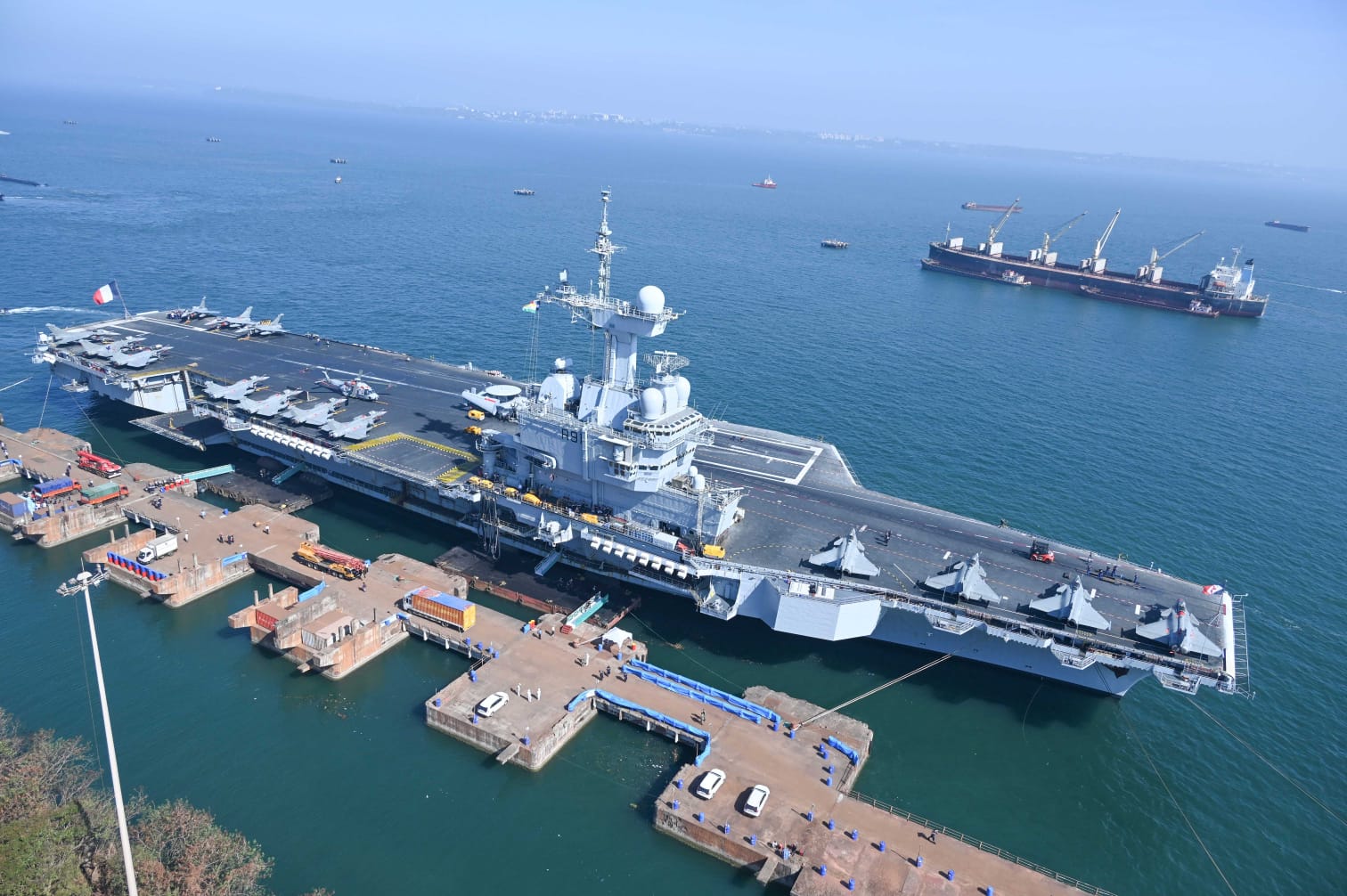
France’s Charles de Gaulle: The Sole Nuclear-Powered Aircraft Carrier Outside the US, Weighing 42,500 Tons and Equipped with Two Atomic Reactors

-
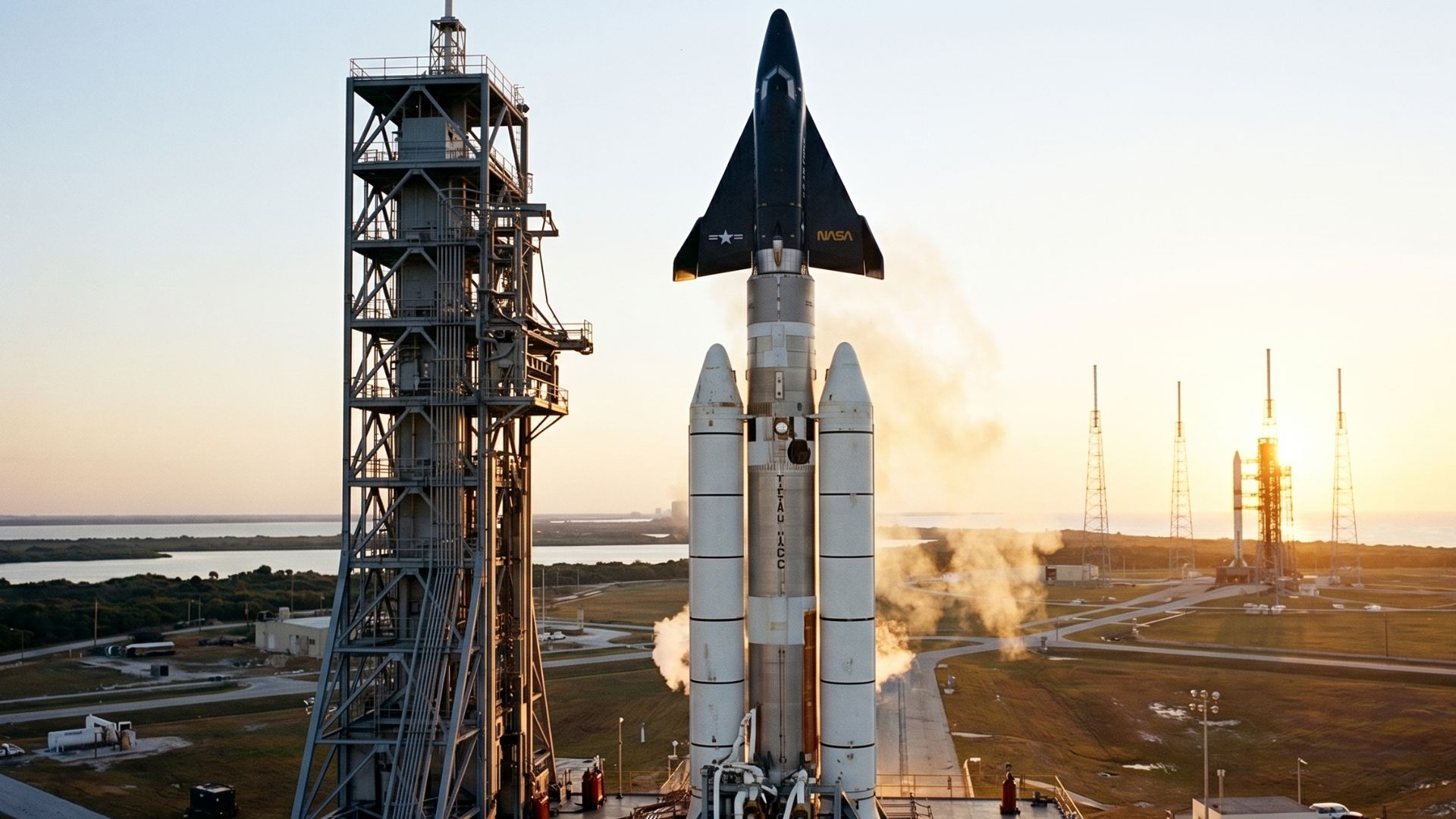
The military spaceplane that almost took the Cold War into orbit: Boeing X-20 Dyna-Soar was designed to re-enter above Mach 20, fly for up to 40 hours, land like a plane, and transform Titan rockets into a gateway to a new era of orbital warfare.
-
FAB bets on national drones and increases investments to strengthen the Brazilian aerospace industry



But amid this, one question hangs in the air: does the Brazilian Army have the capacity to deal with the challenges imposed by this strategic region, which stretches from the north of the country to the Amazon River region?
The Brazilian Army and Its Presence on the Amazon Border
Recently, the Amazon Military Command (CMA) revealed impressive numbers: 19,000 soldiers in action to ensure security along a border that spans 9,762 kilometers.
There are over 19,000 soldiers responsible for monitoring the borderlands between Brazil and four countries: Peru, Colombia, Guyana, and Venezuela.
On average, this translates to one soldier every 500 meters of the border line, demonstrating the magnitude and responsibility of this work.
This information was confirmed by Army General Ricardo Augusto Ferreira Costa Neves, head of the CMA.
During a press conference held on January 27, 2025, he presented the results of the main operations carried out by the CMA throughout 2024.
The number of soldiers involved reflects the immense challenge of defending a territory with a vast geographical expanse while simultaneously maintaining order in the face of constant external and internal threats.
Amazon Military Command: Structure and Strategic Responsibility
The Amazon Military Command encompasses the states of Amazonas, Rondônia, Roraima, and Acre and is responsible for 62% of the entire length of Brazil’s land borders.
The region, with its vast geographical and ecological diversity, is protected by 63 Military Organizations and 23 Special Border Platoons, units specifically created for the task of patrolling and monitoring the country’s most sensitive borders.
In terms of operations, the CMA is highly active, with an average of 35 operations carried out daily.
These operations range from territorial protection, combating drug trafficking, and illegal resource exploitation to humanitarian support and environmental actions.
In total, in 2024, about 1,420 soldiers were deployed daily to ensure that Brazil’s security and sovereignty were preserved, even amid the vast territories that are difficult to monitor.
Provocations and Incidents: Tension with Venezuela
Recently, one of the biggest sources of tension in the region has been the aggressive behavior of the regime of Nicolás Maduro, of Venezuela.
The foreign policy of the neighboring country has proven to be challenging, especially with military maneuvers that have, on several occasions, resulted in provocations to Brazil.
One of the most recent episodes occurred on January 23, 2025, when Venezuelan military vehicles crossed a few meters into Brazilian territory during the military exercise known as Bolivarian Shield.
This incident caused significant diplomatic discomfort, with the Brazilian government demanding formal explanations regarding the action.
Security experts assert that, although Brazil has superior military defense capacity, the provocation reveals a growing tension in relations between the two countries.
However, for now, the expectation is that these situations will not escalate into armed conflict, but rather lead to intensified vigilance in the region.
Reinforcement of Military Readiness: Preparing for Possible Conflicts
Although there is no belief in an imminent war between the two countries, the Brazilian Armed Forces, as a whole, are preparing for potential escalation scenarios.
The leadership of the Army, Air Force, and Navy of Brazil has placed great emphasis on the readiness of the armed forces in the Amazon region.
In 2023, a significant episode demonstrated the need to strengthen military logistical capacity: when Maduro’s government threatened to invade Guyana, utilizing the border with Roraima, Brazilian Army armored vehicles took about one month to deploy to the region.
This response time was deemed insufficient, and the Armed Forces leadership is in the process of reviewing military logistics to reduce these times in future situations.
Results of Actions in 2024: Losses to Organized Crime
Throughout 2024, operations carried out by the CMA resulted in a loss of approximately R$ 1.5 billion to criminal organizations.
This amount represents the total value seized from drugs, illegal timber, mercury, and other materials used in environmental crimes occurring in the Amazon region.
The intensification of operations aimed at combating transnational crimes has been one of the pillars of CMA actions, intending not only to protect Brazil from external threats but also to combat illegal activities that directly affect the ecosystem and public safety in the country.
Challenges of Maintaining Sovereignty and Security in the Amazon Region
Despite the advancements, the vast expanse of the Amazon border and its geopolitical complexity continue to pose immense challenges for Brazil.
Constant external threats and the presence of criminal groups in the region, involved in the trafficking of drugs, arms, and people, demand constant vigilance.
Furthermore, relations with neighboring countries, especially with Venezuela, have been increasingly tense, requiring not only a military effort but also diplomatic measures.
Brazil, therefore, continues to prepare for any eventuality while trying to preserve its sovereignty and ensure that its foreign policy is conducted strategically and without conflicts.
The security of the Amazônia, which involves not only military issues but also environmental and international political matters, will continue to be a crucial theme for the coming years.
The Future of Brazilian Border Security
Brazil is facing an immense challenge in trying to balance the defense of its territory with the needs of international diplomacy.
The Amazon border, which is one of the largest and most sensitive in the world, demands attention and constant preparedness.
The presence of thousands of soldiers in the region reflects the seriousness with which the country views the need to protect its borders.
The future of security in the Amazon will depend not only on military strength but also on the ability to deal with the political and diplomatic complexities surrounding the region.
Do you believe Brazil is prepared to deal with the geopolitical tensions in the Amazon, or could the situation escalate into a conflict with neighboring countries? Share your opinion in the comments!









Já que ninguém comentou, lá vai:
Em primeiro lugar temos que parar de fazer propaganda tóxica, pois a Venezuela não é nossa inimiga e sim nossa amiga e isso é bom pra nós, pois ela tem a maior reserva de petróleo do mundo, logo ela é amigona! Certo?! AMINONA!
Quanto a armas ela tem bastante, pois tem que proteger seu petróleo dos imperialistas e digo sem medo de errar, se ela não tivesse instalado sistemas de defesa russos, os Venezuelanos já estavam falando inglês! Certo ou não?!
Além do mais o Brasil já fez concessão do pré sal, que logo pode acabar, anulando nosso futuro para favorecer o império agora!
Como dizia o meu avô, passarinho que come pedra, sabe o **** que tem!