






 Portuguese
  Spanish
  4 min of reading
  0 comments


Drones produced in Brazil gain relevance in defense, research, and innovation projects, strengthening national technological autonomy.
The use of drones developed in Brazil is gaining importance in projects aimed at defense, innovation, and technological development. The advancement of these unmanned aircraft has led public institutions, companies, and research centers to increase investments in national solutions, with the aim of enhancing the country’s technological capacity and reducing dependence on foreign equipment.
This movement involves initiatives from the Brazilian Air Force (FAB), universities, industry, and research organizations working together to expand the use of these technologies in different areas. Besides military application, the projects can also impact the economy, the training of specialized professionals, and the export of Brazilian technology.
Innovation center brings together government, industry, and universities
One of the initiatives concentrating part of these efforts is the Aerospace Technological Industrial Park of Bahia (PITA-BA), located at the Salvador Air Base.
-
Six times, a luminous crescent the size of the Moon startled the Soviet sky at dusk: it seemed like a wave of UFOs, but it was a secret orbital weapon created to attack the United States via the South Pole and evade Cold War radars.

-
The United States government approved a potential sale of 100 portable Stinger anti-aircraft missiles to the Brazilian Army, in a package estimated at around 330 million dollars that still depends on negotiations between the two countries.

-
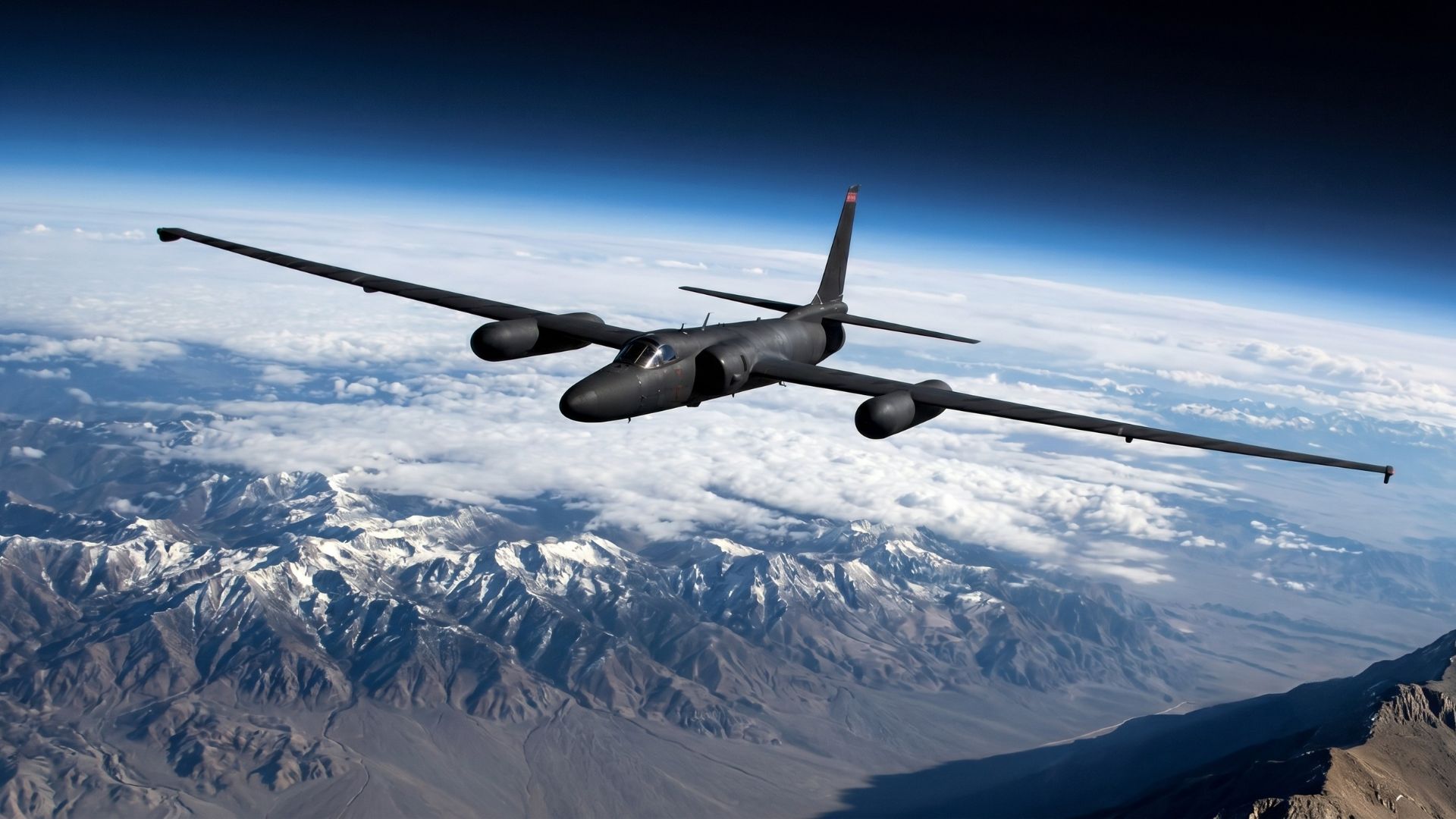
The spy plane that flies on the edge of space and requires the pilot to wear an astronaut suit: U-2 Dragon Lady has been crossing the skies above 21 km altitude since the Cold War and remains one of the most extraordinary reconnaissance aircraft ever built.
-
Chinese aircraft carriers on alert amid Japanese military advancement: exercises with 64 anti-ship missiles, F-35 fighters, and new Type-12 missiles highlight the race to protect giant fleets in the Western Pacific.




The project was born from a partnership between the Air Force Command and SENAI CIMATEC. The proposal is to bring together different sectors in a collaborative structure aimed at developing aerospace solutions of strategic interest.
This cooperation model involves representatives from the government, the Armed Forces, academia, and industry, forming a network dedicated to creating technologies aimed at national needs.
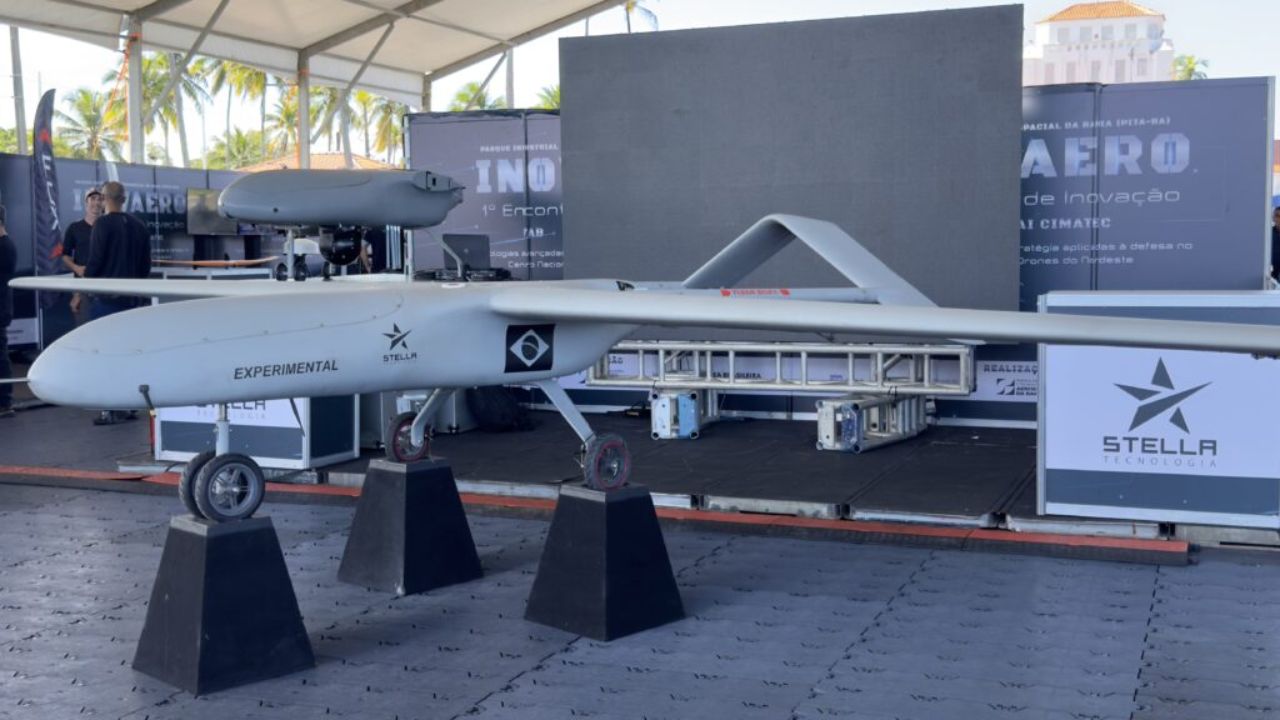
Drones are part of FAB’s future plans
Studies conducted by the Air Force Command point to an expansion of the use of these aircraft throughout the national territory.
According to Air Major-Brigadier Fábio Luís Morau, head of the Sixth Subchief of the Air Force Staff, the work is already at an advanced stage.
The official stated that there are in-depth studies to implement a distributed capacity throughout the country using modern technologies, low cost, and internationally recognized efficiency.
The proposal is not limited to the acquisition of equipment. The focus is also on creating a productive structure capable of designing, manufacturing, and improving systems developed within Brazil itself.
Investments are not concentrated only on aircraft.
Among the initiatives currently under development is the second phase of the Center of Competence in Aeronautics and Drones, which brings together Brazilian companies, universities, and research centers.
The project includes various work fronts, including:
- Mobile station for flight tests;
- Laboratory for composite materials;
- Embedded electronic systems with Artificial Intelligence support;
- Simulation of air traffic management for drones;
- Studies on sustainable aviation fuels;
- Development of operational scenarios for the use of these aircraft.
The expectation is that these initiatives will expand the production of knowledge and strengthen the training of specialized professionals in the sector.
National development seeks to reduce external dependence
In addition to research projects, there is a strategy aimed at strengthening the Brazilian industry.
PITA-BA also works with technological orders aimed at creating equipment produced by national companies. The measure seeks to stimulate innovation and increase the participation of the Defense Industrial Base in the development of new solutions.
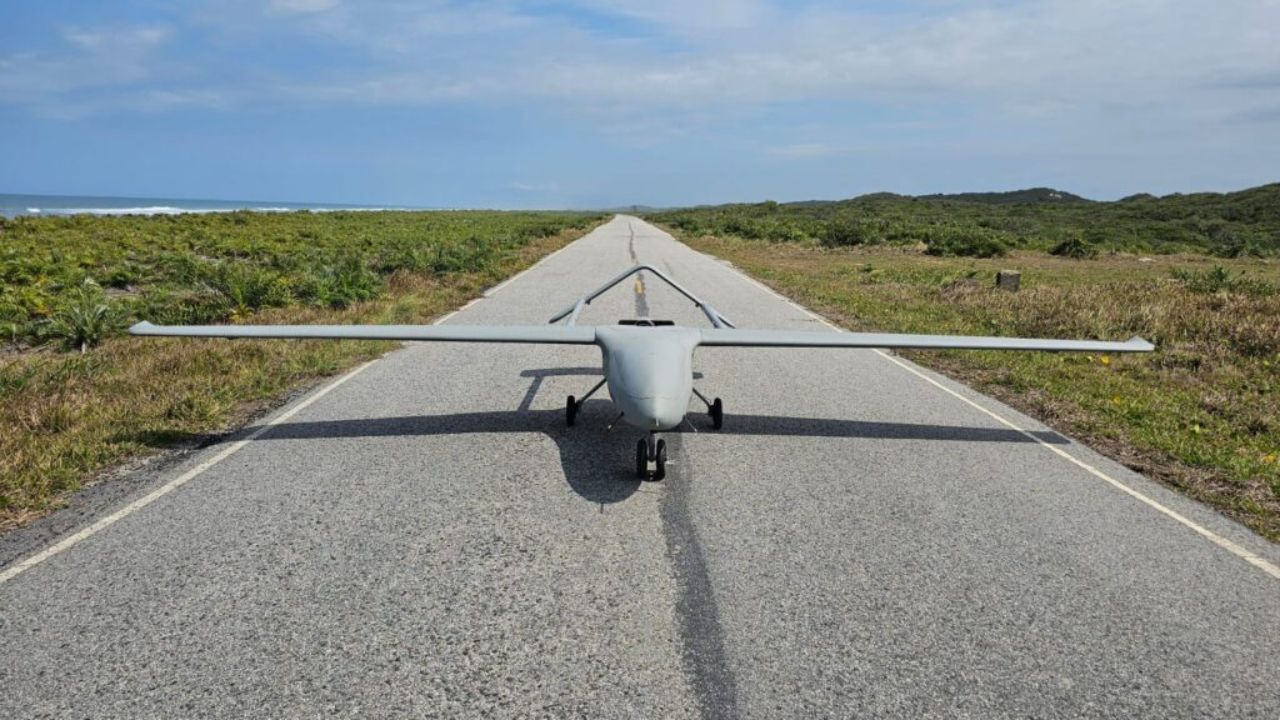
With this, the knowledge generated remains in the country, contributing to the creation of a permanent environment of technological innovation.
Although many projects are linked to security and defense, the expected effects go beyond this segment.
The advancement of drones manufactured in Brazil can stimulate the generation of specialized jobs, strengthen production chains, and open new opportunities for national companies.
Additionally, local production favors scientific and technological development, creating conditions for Brazilian solutions to reach international markets.
Event showcased national technology in operation
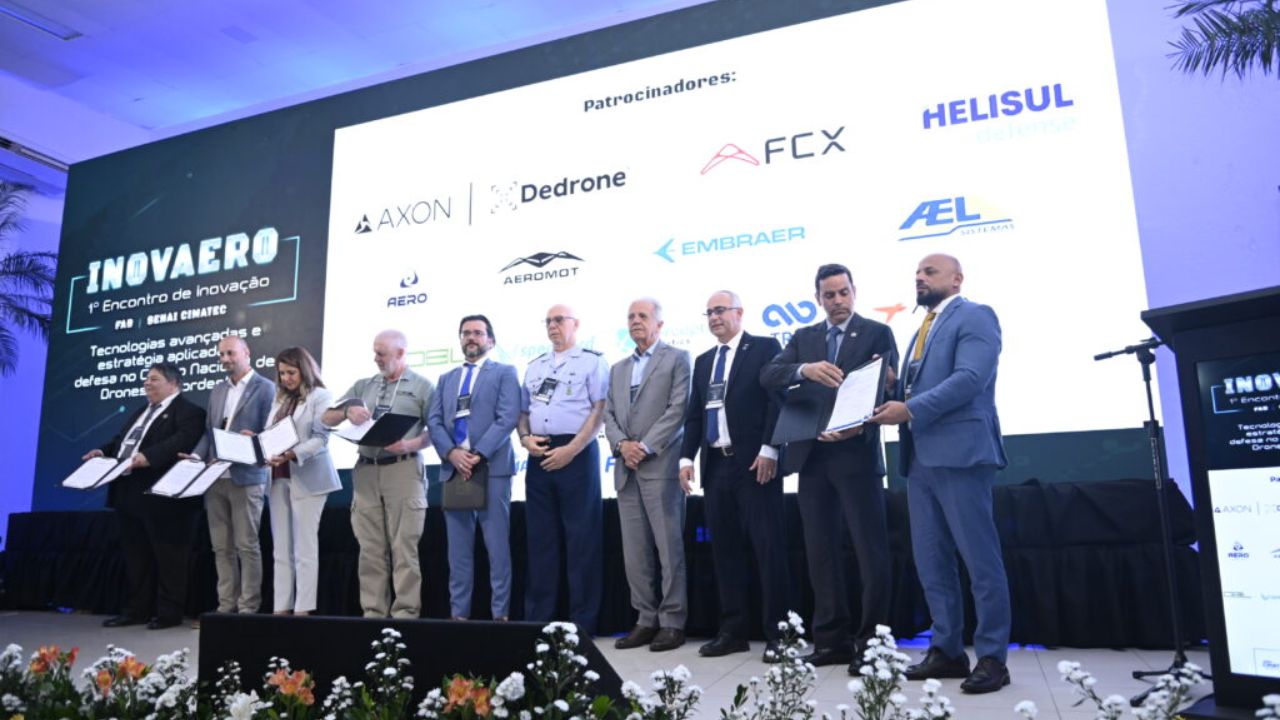
Part of these advancements was presented during the 1st Aerospace Innovation Meeting (INOVAERO), held on June 12 at the Salvador Air Base.
During the program, there were practical demonstrations of unmanned aerial systems developed in the country. The presentations aimed to showcase applications focused on research, innovation, and defense.
Among the equipment displayed was the DLV-2, developed by the company Speedbird Aero.
Drones can transport cargo and operate in complex environments
The model presented during the event has features aimed at material transport.
According to André Stein, Chairman of the Board and President for the Americas at Speedbird Aero, the equipment supports up to 10 kilograms of cargo and can reach speeds close to 75 kilometers per hour.
According to him, the aircraft can be employed in logistical activities involving the transport of medical equipment, biological materials, and precision items. The executive also highlighted that the system was designed to operate in scenarios considered complex.
With expanding projects, research investments, and the growing participation of the national industry, drones are becoming increasingly relevant within the technological innovation strategies developed in Brazil.
Photos: Sergeant Neris / CECOMSAER, Érico / MINISTRY OF DEFENSE




Be the first to react!