






 Portuguese
  Spanish
  5 min of reading
  0 comments


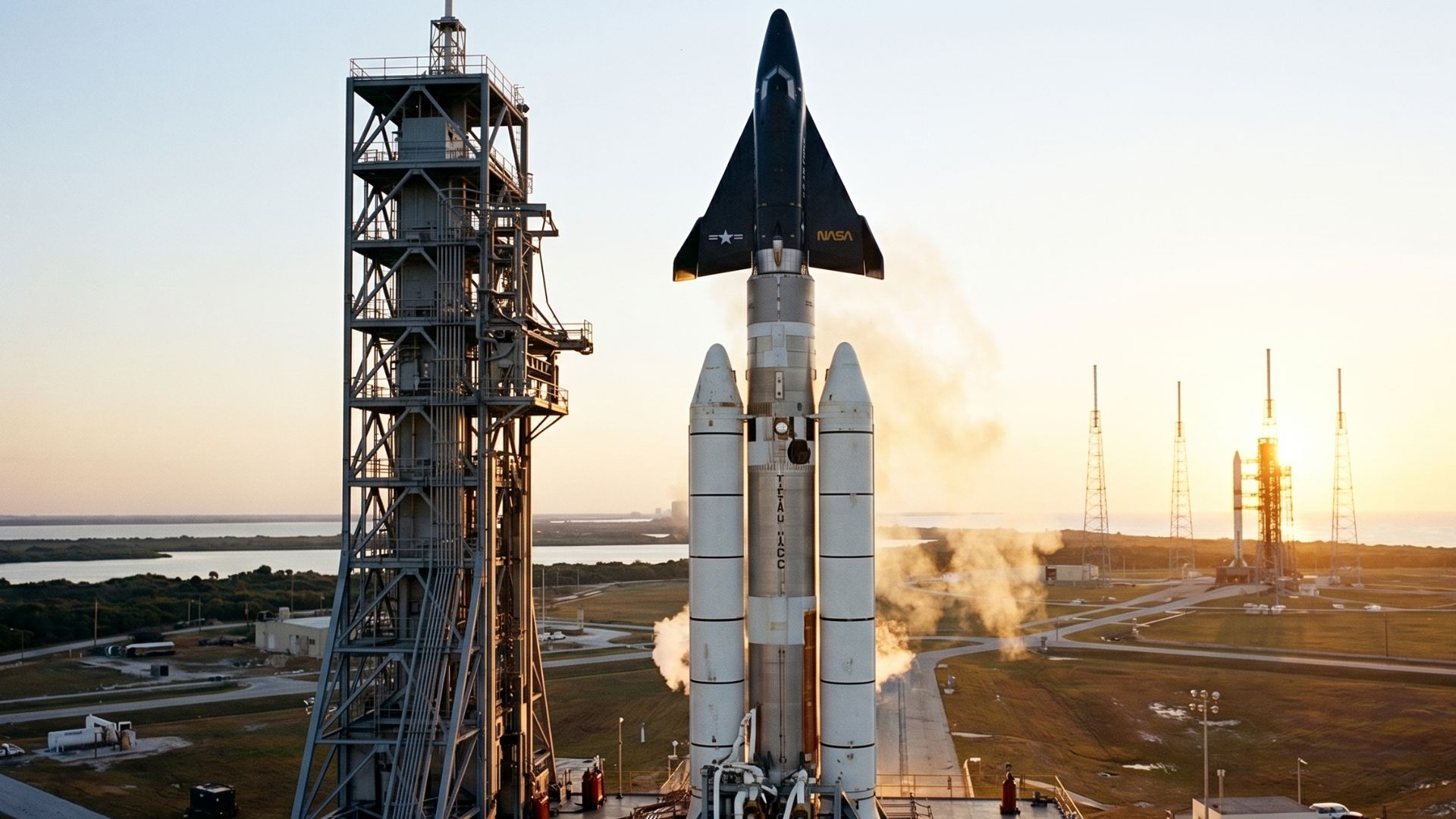
X-20 Dyna-Soar was designed to reach orbit, perform hypersonic reentry, and land on a runway, anticipating the military use of space.
The X-20 Dyna-Soar was one of the most ambitious projects ever initiated by the United States Air Force in the early phase of the space race. Instead of a capsule, the proposal was to create a manned spaceplane, capable of ascending attached to a rocket, operating at extremely high-speed trajectories, and returning to Earth in a horizontal landing, like an aircraft. The program was born amidst the Cold War and condensed, in a single vehicle, hypersonic research, atmospheric reentry, and military ambitions linked to space.
Although it never reached flight, the Dyna-Soar left a technical legacy disproportionate to its fate. NASA records that the X-20 was canceled before the completion of the first flight vehicle, but it served as a basis for technologies and subsystems that later supported programs like the X-15 and, later, the space shuttle itself. Instead of a simple failure, the project became a premature milestone of the reusable orbital vehicle concept.
X-20 Dyna-Soar was born from the Cold War and united hypersonic research with military ambition
According to the Air Force Materiel Command History Office, the Dyna-Soar program was initiated on October 10, 1957 and brought together three previous studies related to manned hypersonic weapons and reconnaissance systems.
-
FAB bets on national drones and increases investments to strengthen the Brazilian aerospace industry

-
Six times, a luminous crescent the size of the Moon startled the Soviet sky at dusk: it seemed like a wave of UFOs, but it was a secret orbital weapon created to attack the United States via the South Pole and evade Cold War radars.

-
The United States government approved a potential sale of 100 portable Stinger anti-aircraft missiles to the Brazilian Army, in a package estimated at around 330 million dollars that still depends on negotiations between the two countries.

-
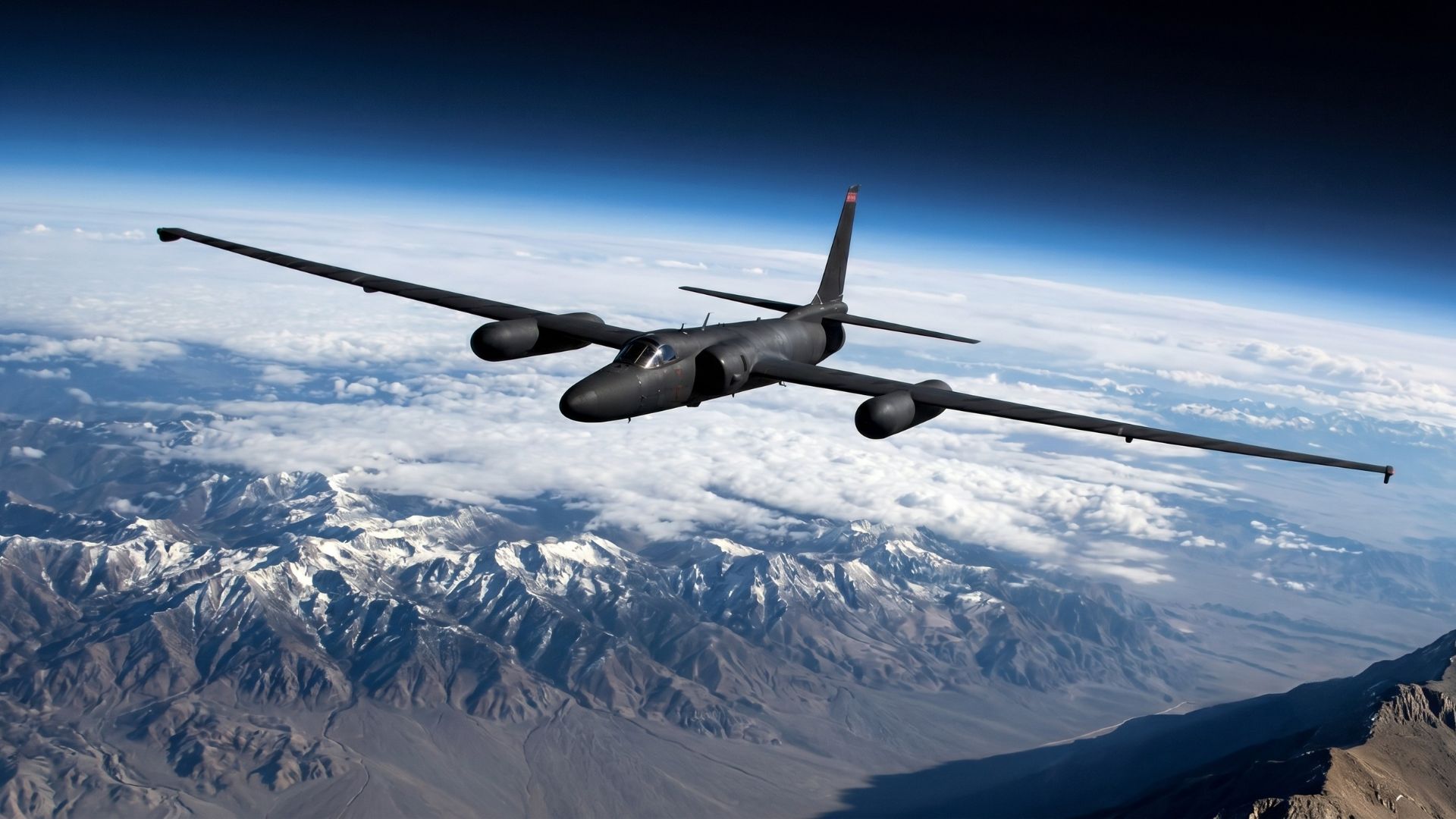
The spy plane that flies on the edge of space and requires the pilot to wear an astronaut suit: U-2 Dragon Lady has been crossing the skies above 21 km altitude since the Cold War and remains one of the most extraordinary reconnaissance aircraft ever built.



This point is central to understanding the project: it did not emerge merely as an engineering laboratory, but as a response to a strategic environment where space was beginning to be seen as a new frontier of competition between powers.
The same official history of the Air Force states that the Soviet advancement in the space sector led the U.S. Department of Defense to view space as a potential new theater for military operations. In this context, a rocket-powered glider capable of executing reconnaissance and even bombing missions seemed attractive to American military planners.
That is why the Dyna-Soar stood at the intersection of aerospace research and military strategy, long before the debate on the militarization of space took its current form.
Spaceplane would be launched by Titan rocket and return with conventional landing
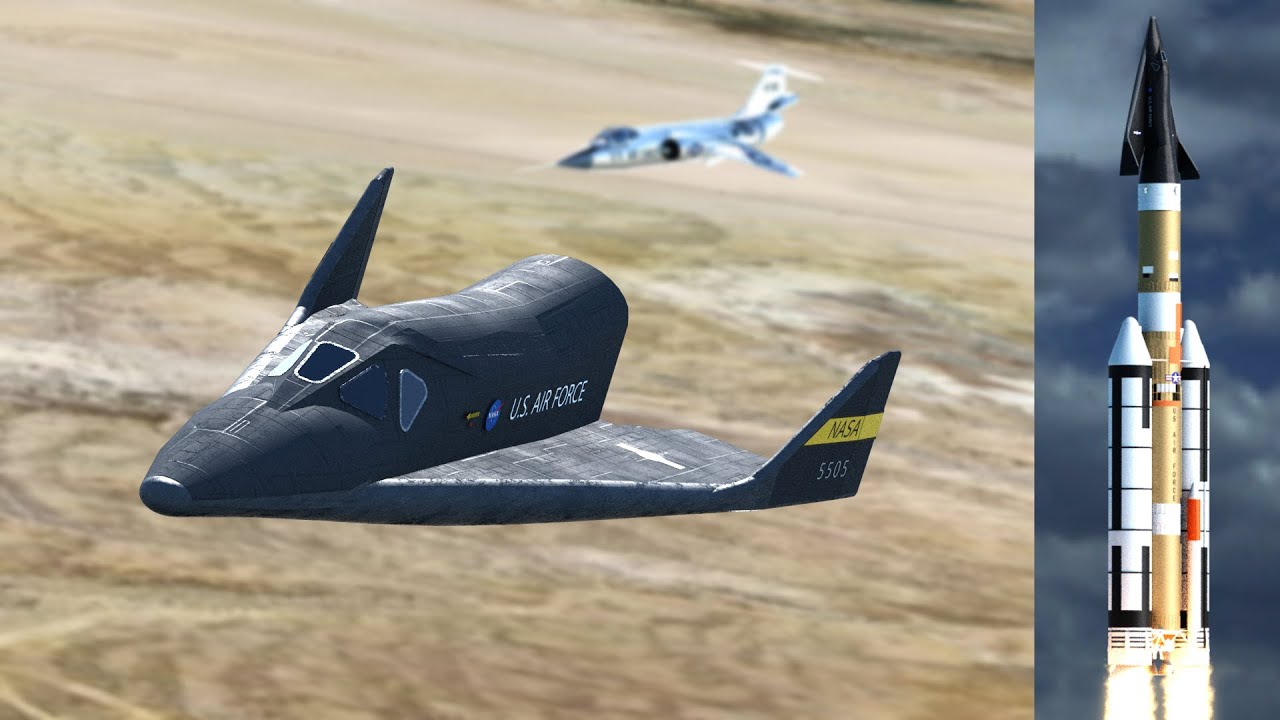
According to the National Museum of the United States Air Force, the Dyna-Soar was conceived as a delta wing boost glider, meaning a delta-winged glider propelled into space by a modified Titan booster.
In 1962, the project was redesignated X-20A to emphasize its research function, but the museum itself highlights that the program had already accumulated development in high-temperature structures, reentry shapes, onboard guidance systems, and hypersonic design theory.


NASA adds that the initial goal was to launch the vehicle on a Titan III booster to fulfill experimental and possibly operational roles. The agency describes the X-20 as a manned and maneuverable vehicle intended for research in the hypersonic flight regime, but also notes that at some points in its evolution, it was treated as a quasi-operational system.
This combination helps explain why the Dyna-Soar seemed so advanced for its time: it attempted to unite research, orbital mobility, and controlled return in a single concept.
Controlled reentry and technical legacy put the program decades ahead of its time
The most revolutionary element of the X-20 was the idea of a maneuverable reentry followed by horizontal landing, instead of a capsule ballistic descent.
The National Museum of the U.S. Air Force states that much of the basic technology for later winged reentry vehicles can be traced back to the Dyna-Soar.
In other words, even without taking off, the program helped consolidate concepts that would later be associated with much more well-known space aircraft.
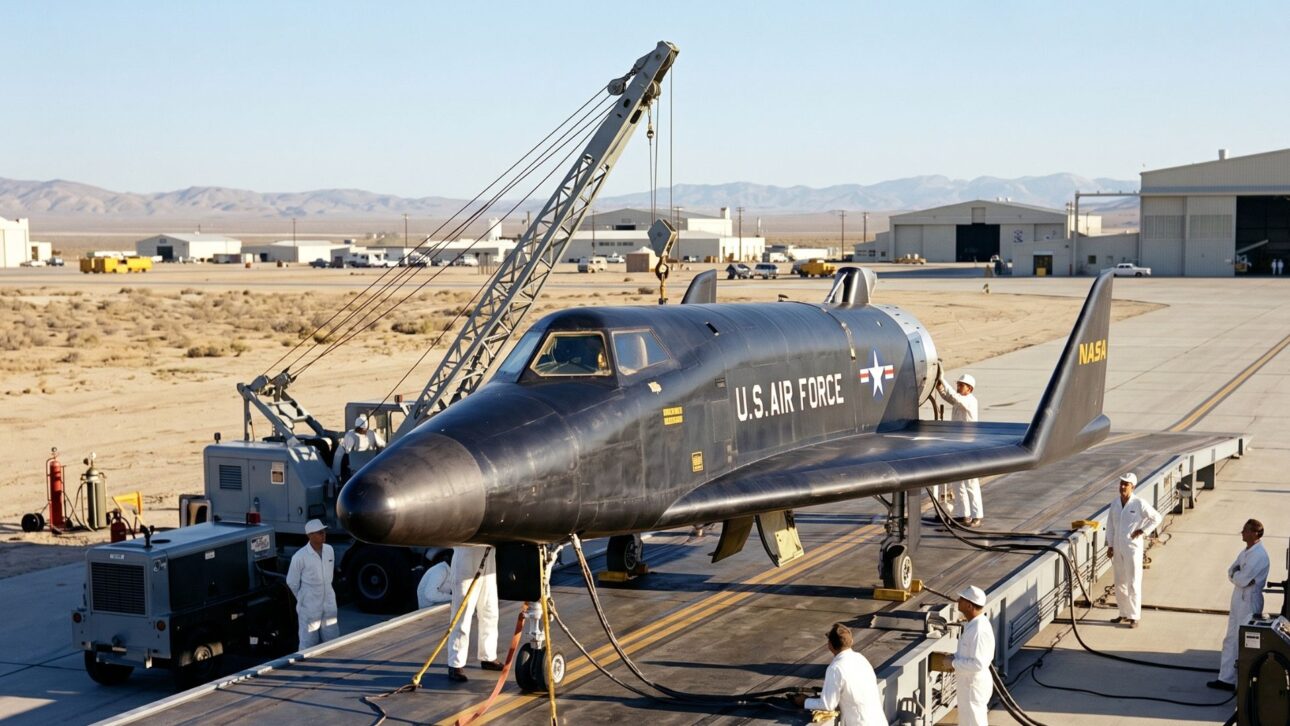
NASA emphasizes this historical weight by stating that few vehicles contributed as much to the science of high-speed flight without even being completed.
The agency also highlights that several subsystems designed for the X-20 were utilized in later programs, especially in the X-15, while the Air Force’s history points to subsequent influence on experimental vehicles like X-40, X-37, and on the development of the Space Shuttle orbiter.
Cancellation in 1963 prevented the flight, but did not erase the influence of the X-20
The project was terminated in December 1963, before the first vehicle was ready. According to the Air Force Materiel Command History Office, the program consumed about US$ 853.23 million and did not deliver a complete glider before cancellation.
NASA, on the other hand, summarizes the outcome by saying that the X-20 was canceled before the first flight vehicle was completed, ending one of the boldest bets of the initial phase of American military astronautics.

The cancellation did not erase the perception that the Dyna-Soar had attempted to reach a space flight architecture far beyond the standard of the 1960s.
By combining hypersonic flight, orbital potential, controlled re-entry, and runway landing, the program anticipated issues that would continue to return to the center of the aerospace debate in the following decades. The X-20 did not inaugurate a war in space, but it made it clear, very early on, that space was already seen as a territory of strategic dispute.









Be the first to react!