






 Portuguese
  Spanish


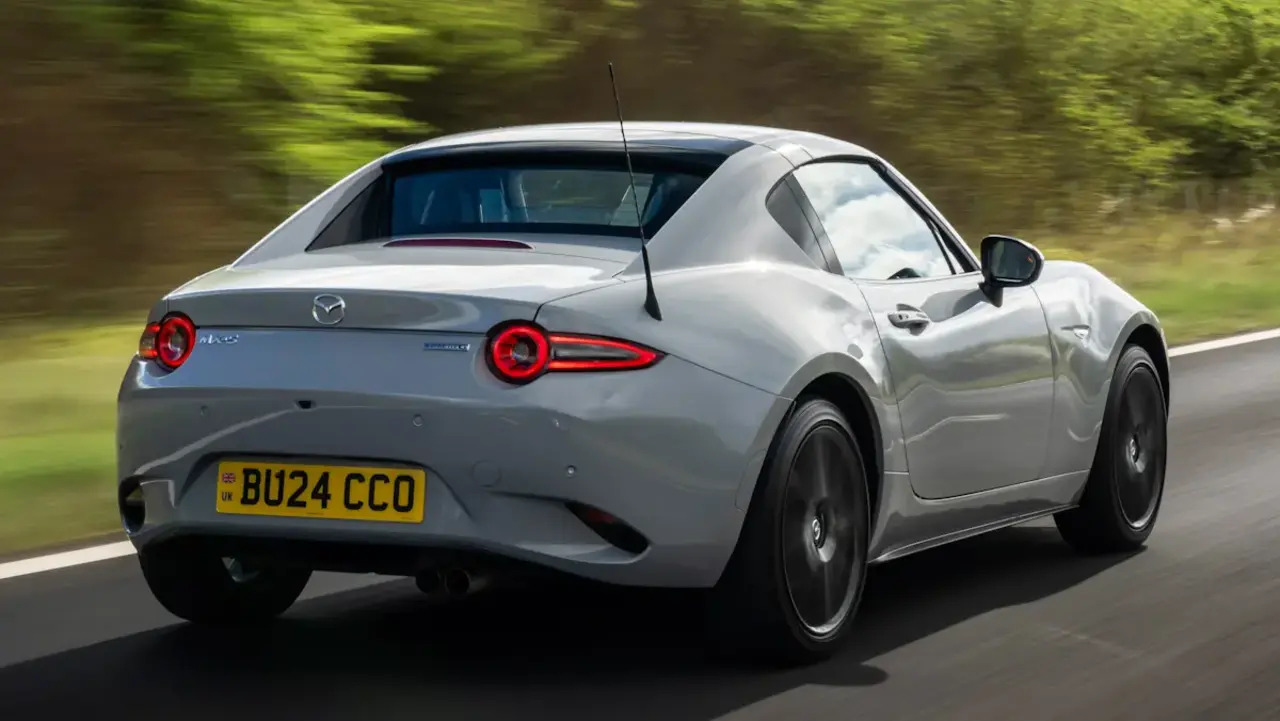

Trump Lowers Tariff on Cars from Japan, Angers U.S. Automakers, and Maintains Higher Rates for Vehicles from Mexico and Canada
A new agreement between the United States and Japan is causing a strong reaction in the American automotive sector. The measure, announced by the Donald Trump administration, reduces the import tariff on Japanese vehicles to 15%.
Meanwhile, cars coming from Canada and Mexico continue to face higher tariffs: 35% and 30%, respectively.
The decision has generated outrage among American automakers, as companies like GM, Ford, and Stellantis produce part of their vehicles in those two countries.
-
ZF Unveils Strategy That Could Transform Global Truck Electrification

-
Toyota Corolla Hybrid Achieves 17.5 km/l in City with Self-Charging System and Regenerative Braking, Offering a Spacious and Quiet Ride Without Needing a Plug

-
Land Rover Issues Recall for Airbag Connector Fault Affecting 250,857 Vehicles in the US, Alerting Drivers in Brazil for Official Notice
-
Brazilian Electric Motorcycle Once Promised 180 km Range and Affordable Price, Now Faces Uncertain Future Amid Delays and Manufacturer’s Bankruptcy


Even so, Trump maintained heavier tariffs for neighbors and offered better terms to Japan.
Government Celebrates, but Reality Worries Automakers
Despite the dissatisfaction from manufacturers, the U.S. government deemed the agreement with Japan a “historic victory.”
According to the official justification, the new policy will facilitate the sale of cars produced in the United States to the Japanese market.
However, the data shows a different scenario. According to CNBC, in 2024, cars accounted for over 28% of everything Japan exported to the United States.
This indicates that the biggest beneficiary of the negotiation is likely to be the Japanese industry, not the American one.
Toyota and Mazda Soar on the Stock Market
Immediately after the announcement of the agreement, the stock exchange in Tokyo reacted. Shares of Toyota rose by 15%, while Mazda’s stock increased by 17%.
The optimism in Japan contrasted with the frustration of American automakers, who are already facing difficulties due to the high costs imposed by tariffs.
GM, for example, reported a loss of US$ 1.1 billion in the second quarter of 2025. The company projects that the loss could reach US$ 5 billion by the end of the year if the current tariffs remain.
Pressure Increases with Agreements from Other Countries
In addition to Japan, the United Kingdom also secured an agreement with the United States, ensuring a tariff of only 10% on its vehicles.
Meanwhile, Europe has yet to reach any agreement with Trump. The president threatens to impose tariffs of up to 30% on European cars.
In a statement to Reuters, American manufacturers stated: “Any agreement that covers less tax for Japanese cars with almost no American content, than for North American vehicles made with a high share of U.S. parts is a terrible deal for the industry and American automotive workers.”
With information from Auto Mais.


