






 Portuguese
  Spanish
  3 min of reading
  0 comments


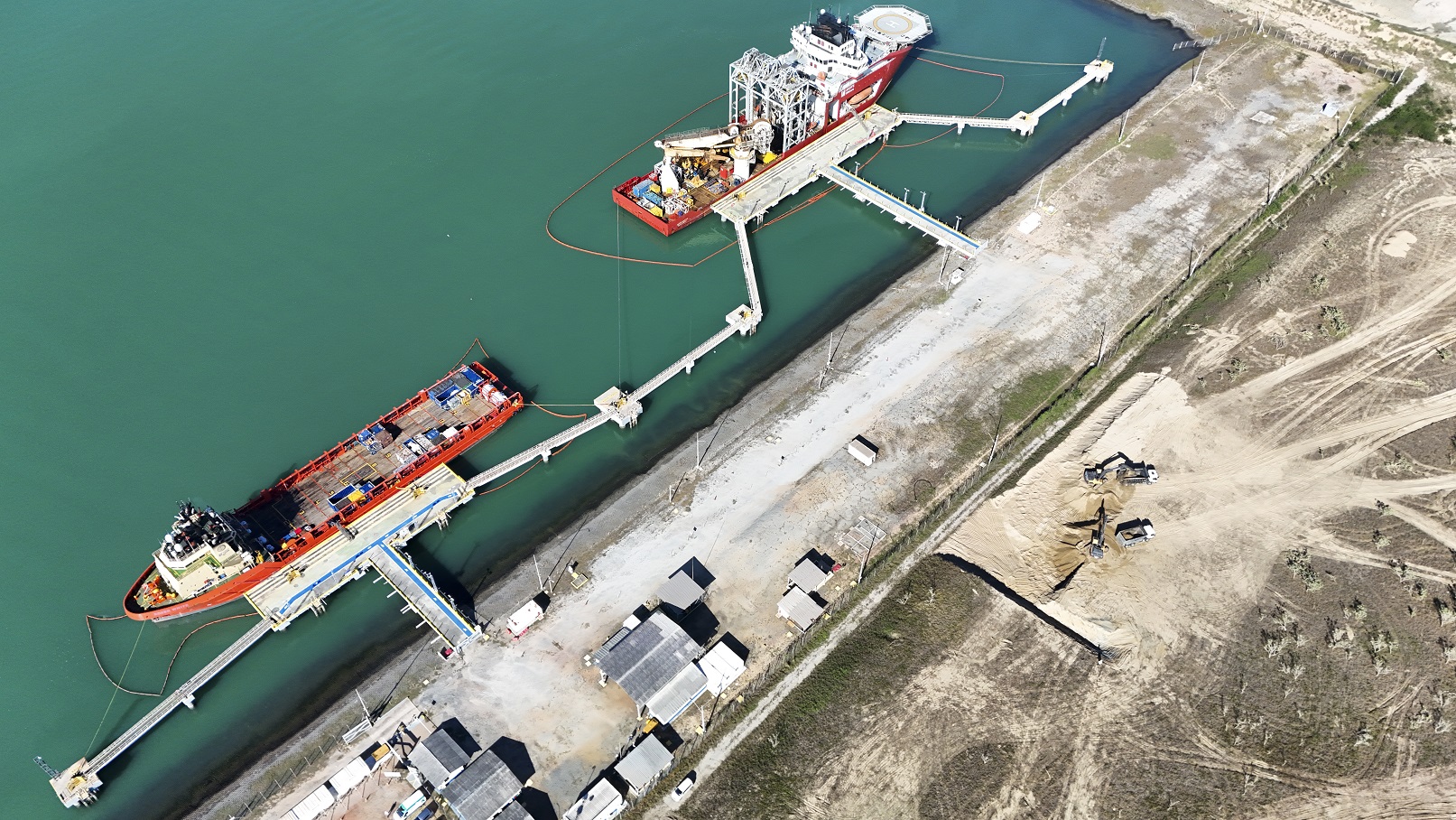
Strategic Project Expands Storage and Handling Capacity of Fuels and Biofuels at Açu Port
Vast Infrastructure has begun construction of the tank farm at the Açu Liquid Terminal (TLA) in São João da Barra (RJ).
The first phase involves R$ 250 million in investments and anticipates a storage capacity of 40,000 m³. Operations are set to commence in the last quarter of 2026, solidifying the expansion.
Logistical Expansion at Açu Port
Located at the Açu Port, the TLA benefits from the terminal’s strategic position. In 2024, the port recorded the highest movement of vessels in Brazil.
-
Oil production grows in Rio, but reserve replacement raises a warning sign

-
Petrobras is expected to complete the drilling of the Morpho well in the Foz do Amazonas in August 2026, the first well in the Equatorial Margin, an oil frontier that the ANP estimates at more than 30 billion barrels and could redraw the map of Brazil.

-
Oil returns to the center of concerns with tension between the US and Iran

-
IEA reduces forecast for global oil demand in 2026 after impacts of the Middle East crisis



The structure will enable the storage and handling of petroleum derivatives. These include VLSFO, MGO, lubricants, light fuels, as well as chemicals and biofuels.
According to Victor Snabaitis Bomfim, CEO of Vast, the terminal’s focus is on marine fuels. The port regularly receives a large number of vessels.
The project also considers preparations for future fuels. It includes SAF and e-methanol, aligned with global demands and the energy transition.
Structure in Phases of Growth
In the initial phase, the focus will be on the handling of light fuels, base oils, and biofuels. However, the master plan anticipates significant expansion to 300,000 m³ of capacity.
In addition to storage, loading and unloading pipelines are under construction. Truck loading platforms are also planned, enabling logistical integration and land-based distribution of products.
This infrastructure will ensure flexibility and efficiency in operations. At the same time, it will reinforce the TLA’s role in the national supply of fuels and strategic liquids.
Long-Term Contracts Signed
Vast has already signed two strategic contracts for the use of the terminal. The first was signed with Vibra Energia, lasting 20 years.
This agreement ensures the use of the TLA as a logistics base for the import, storage, and handling of base oils intended for the lubricant factory in Duque de Caxias (RJ).
The second contract was established with efen. The agreement provides for the receiving, storage, and shipping of marine diesel (MGO).
Since October 2024, Vast has been operating the TLA on behalf of efen. Operations are conducted through ship-to-ship and ship-to-barge transfers.
The terminal currently has two berths available for MR ships and barges. This structure enables flexibility and immediate handling capacity.
Impact on the Energy and Logistics Sector
With the consolidation of the project, Vast Infrastructure reinforces its leadership in the Brazilian market for oil and derivative transshipment. Furthermore, the company demonstrates alignment with energy diversification, highlighting its commitment to the future.
On the other hand, it addresses the growing needs for logistical infrastructure for fuels and strategic liquids in Brazil. This movement strengthens the national energy chain.
By 2026, the expectation is that the Açu Liquid Terminal will be fully integrated with Brazilian operations. As a result, it will enhance energy security.
Likewise, the terminal will elevate national logistical efficiency. Additionally, the project prepares the country for the new era of alternative and sustainable fuels.
Consequently, the initiative positions Brazil as a reference in energy logistics. Thus, a safer, more efficient environment geared towards sustainable development is created.








Be the first to react!