Portuguese
  Spanish




Expert Highlights The Importance Of Regulation In Attracting Investments And Promoting National Decarbonization
The realm of environmental policies is experiencing a decisive moment in Brazil. The recently approved Bill No. 412/2022, led by Senator Leila Barros, brings to light the urgent need to regulate the carbon market. This regulation is more than just a legal instrument; it represents an essential strategy to catalyze sustainable investments and advanced technologies, in the opinion of Isabela Morbach, lawyer and co-founder of CCS Brasil.
Sustainable Development: The New Face Of Brazilian Industry
Isabela emphasizes that Brazil is at a turning point. The nation needs to define its stance on climate change, understand the impacts of its decisions, and establish a robust decarbonization plan. For industrial sectors to engage and adapt, it is crucial for companies to clearly visualize the parameters and limits of carbon emissions. “This is not a solitary journey of a single sector. Everyone is in the same boat towards sustainable development,” highlights the expert.
The mentioned project sets clear parameters. Companies will need to align with certain emission limits, and any excess will result in the need for compensation through the acquisition of certificates in the Brazilian Emissions Trading System (SBCE). With well-established deadlines for regulation and adaptation, as well as criteria for the preparation of emissions reports, the project offers the necessary framework to guide the industry.
-
A newly discovered caterpillar in Hawaii wears the remains of its prey that it devoured as a macabre armor, stitching bones and insect shells to its own back for camouflage.

-
She heard for decades that space was not a place for women, became a pioneer in aviation, was part of the Mercury 13, and at 82, finally traveled with Jeff Bezos before dying at 87.
-
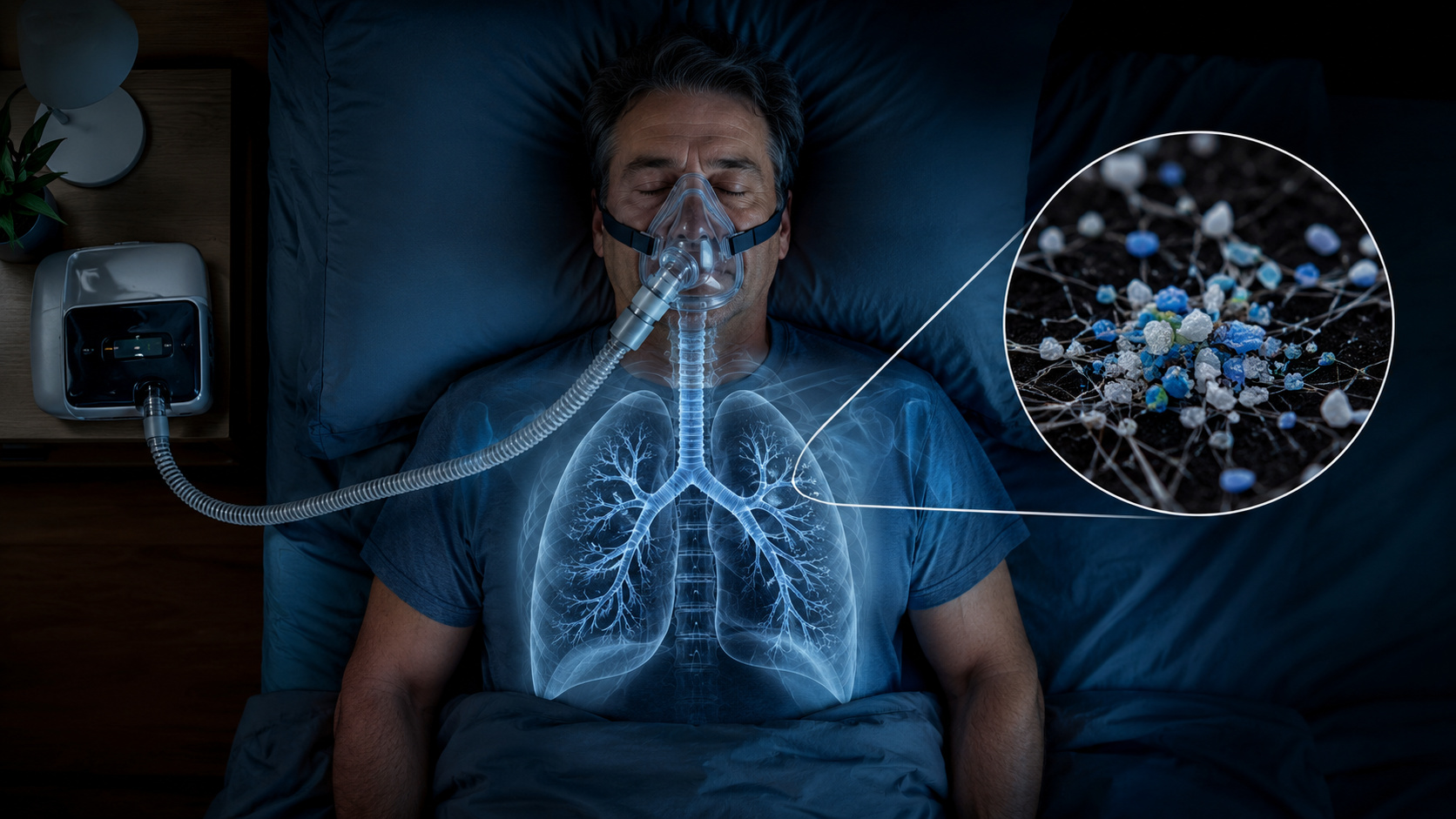
Scientists investigate microplastics in the airways of patients with sleep apnea and reveal a new focus for research on environmental pollution, human exposure, and possible impacts on breathing quality.
-
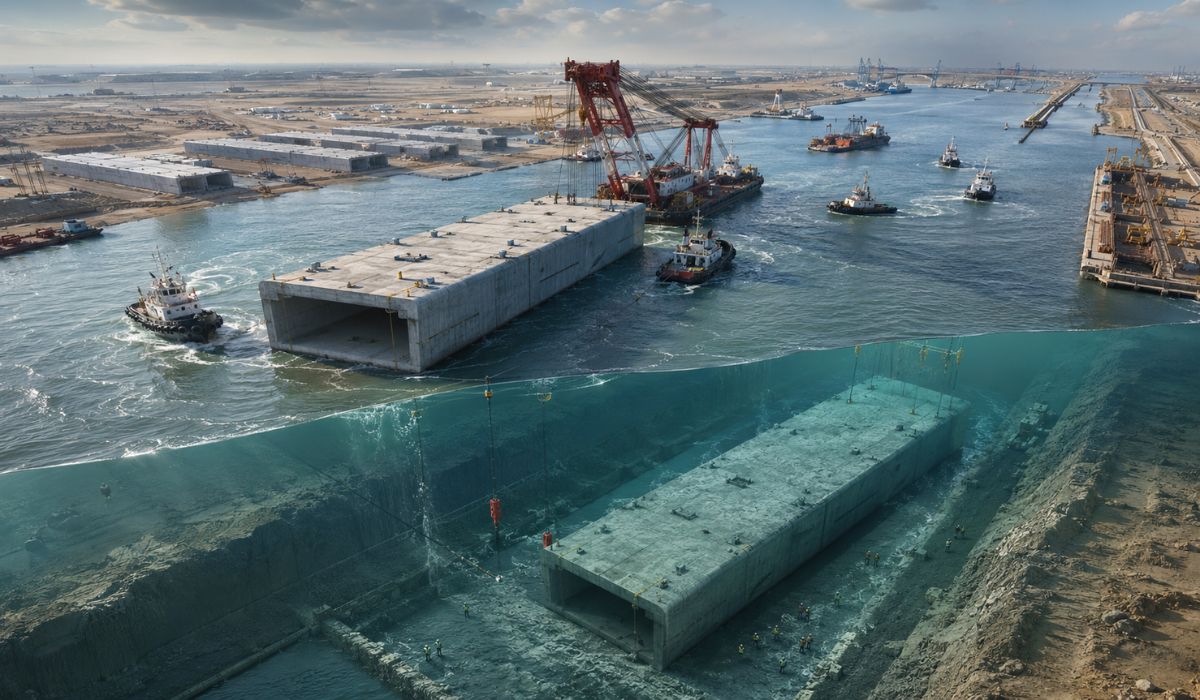
For the first time, scientists have seen the ocean floor open up in real-time—plates moving apart by two meters in a few days and 160 million cubic meters of lava emerging on the seafloor.



Challenges Ahead: Balancing Sustainability And Economy
Decarbonization is a crucial mission, but it also presents substantial challenges, particularly for the industry. Reducing emissions can incur significant costs. Isabela emphasizes the need for robust public policies that support the industry during this transition. “The balance between environmental goals and the national economic reality is fundamental. The existence of clear legislation can attract vital investments to drive the Brazilian industry during this period,” she notes.
Of course, some questions remain unanswered. Decisions on emission ceilings, certificate registrations, and the structuring of SBCE bodies are still pending. However, Isabela advocates for an open dialogue among private sectors, industrial representatives, and the government to address these issues. “We need clarity, detail, and above all, collective understanding to ensure that Brazil remains steadfast on the path to decarbonization,” she concludes.
About CCS Brasil
CCS Brasil is dedicated to promoting initiatives related to Carbon Capture and Storage in Brazil. Aiming to generate a positive sustainable impact, the organization focuses on technologies that enable the capture of CO2, followed by transport and permanent storage. By promoting cooperation among various stakeholders – from financiers and industry to universities and society at large – CCS Brasil is a key player in the development of this emerging market.
Source: Tree Comunicação – Renan Araujo.