Portuguese
  Spanish


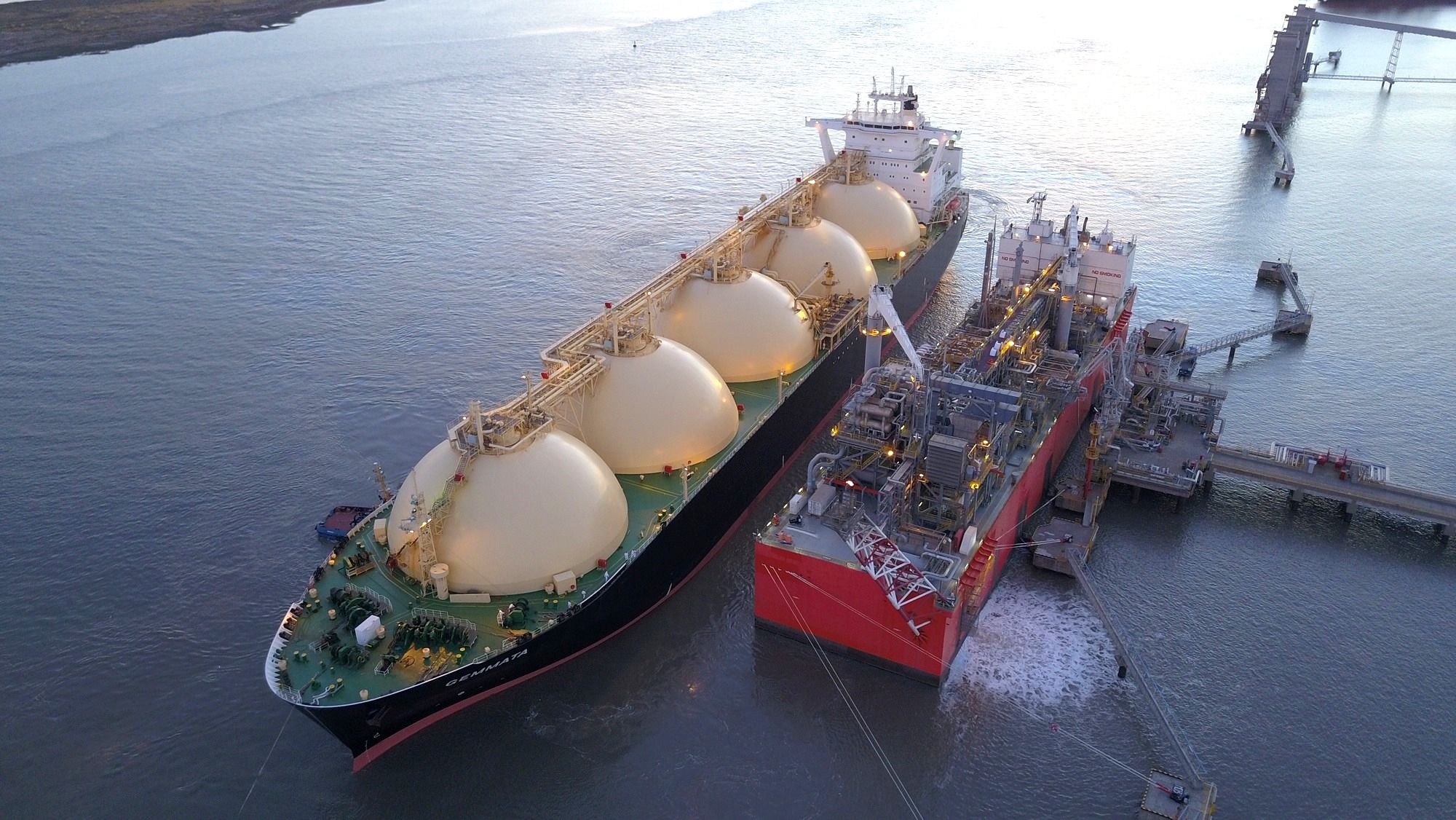

In Order for Petrobras to Use All the Natural Gas Coming from the Pre-Salt, Which Is Currently Being Re-injected, More Terminals Would Be Needed to Transport the Fuel to the Brazilian Coast
Pre-Salt: Petrobras informed in a relevant fact last Thursday that it will increase the operational capacity of the liquefied natural gas regasification terminal in Guanabara Bay, Rio de Janeiro, to 30 million m³ per day. Petrobras Modernizes in the Refining and Natural Gas Market by Investing in Technology for Its Low-Carbon Transition with the Biorefino 2030 and Gas+ Programs
Read Other News About the Pre-Salt
- Government Vetoes Brasduto – Gas Pipeline Expansion Fund That Would Be Financed with Resources from the Pre-Salt
- How the Pre-Salt Boom in Brazil Is Changing the Global Oil Market
- Petrobras Announced Last Night (09/08) Progress in the Sale of Pre-Salt Oil Blocks
Although Brazil is re-injecting about 45% of the gas that comes from the pre-salt, the increase in liquefied natural gas regasification capacity by Petrobras will be to import the fuel, since the LNG from the pre-salt wells has not been economically viable.
When the imported LNG arrives by ship, it needs to be regasified.
-
Brazil’s ANP Opens 86 New Oil Blocks in the Equatorial Margin, Expanding the Amazon River Mouth Frontier

-
OPEC+ Boosts Oil Supply by 188,000 Barrels per Day in July 2026, Leading to Price Drop from $112 to $89 per Barrel in Under Two Months

-
TotalEnergies Signs 20-Year Deal to Purchase 2 Million Tons of LNG from Alaska, Boosting Project Viability
-
Turkey Deploys Çağrı Bey Drilling Ship to Explore New Oil Frontier Off Somalia’s Coast
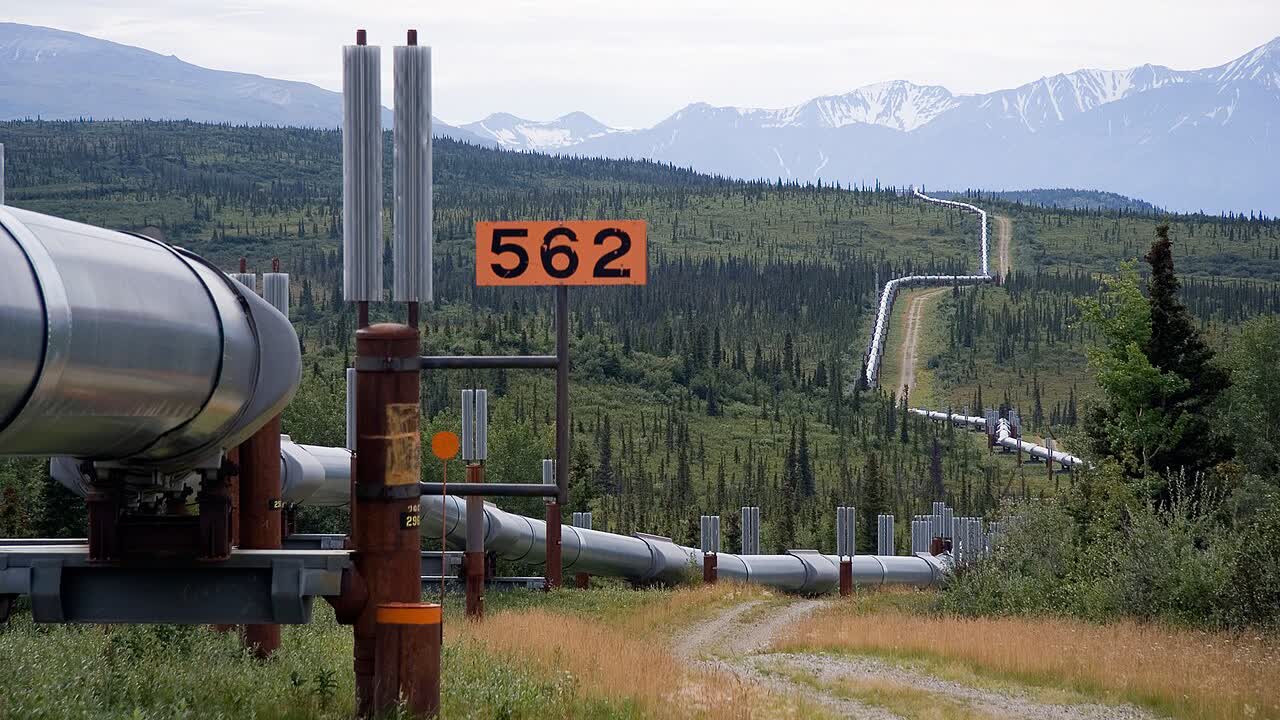
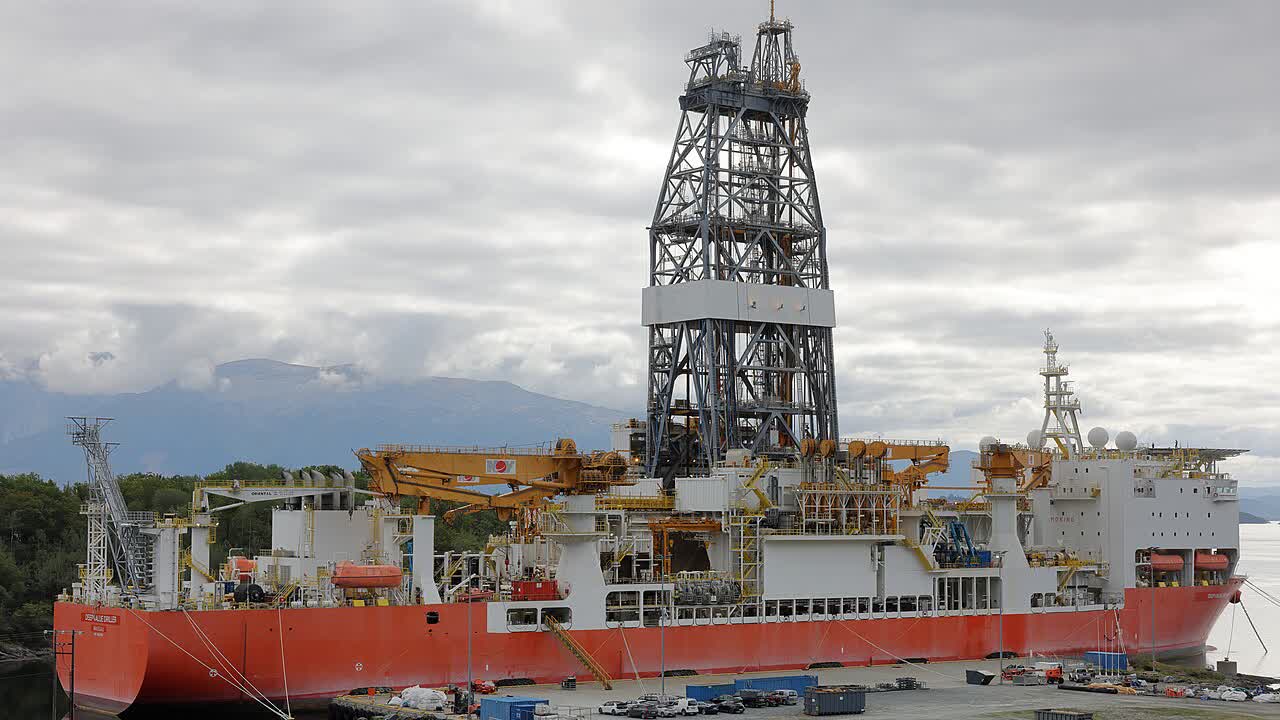
In order for Petrobras to use all the natural gas coming from the pre-salt, which is currently being re-injected, more terminals would be necessary to transport the fuel to the Brazilian coast. Next, it would need to connect to a distribution network to the interior of the country, which does not currently exist.
Also included in the state-owned company’s plan is to flow up to 44 million m³/day of gas from the pre-salt of the Santos Basin with the operation of the Rota 3 pipeline, which will connect the producing fields to Gaslub Itaboraí, formerly Comperj, located in the metropolitan area of Rio.
According to Petrobras, the initiative is to adapt to a new business environment, more competitive and with stricter environmental requirements. Additionally, last Thursday, the oil company presented its employees with a plan to adapt its refining and natural gas production units for energy transition by 2030.
Where Petrobras aims to interconnect pre-salt production to its refineries and power generation plants, producing cleaner fuels than the current ones. In most cases, it should mix new products from renewable sources with petroleum derivatives.
Petrobras is also implementing the project to upgrade the UTGCA (Gas Treatment Unit of Caraguatatuba) to enable it to process up to 10 million m³/day of pre-salt gas from the Santos Basin, without the need for mixing with post-salt gas.
Petrobras Distribuidora Negotiates Purchase of 50% of Golar Power to Establish a Partnership in the Natural Gas Market – LNG
Despite Petrobras’ plan to liquidate the remaining 37.5% position in BR Distribuidora’s capital, the company could acquire 50% of Golar Power, as part of the partnership that BR is negotiating with Golar to operate in the distribution of liquefied natural gas (LNG).
According to the document, Petrobras Distribuidora has the option to buy 50% of the shares of Golar Distribuidora, which intends to enter the LNG distribution market in Brazil.