Portuguese
  Spanish



The United States Air Force Has The Largest And Most Powerful Air Fleet In The World, With Over 5200 Aircraft Operating At 59 Active Bases In The Country And At Approximately 750 Foreign Military Bases In 80 Nations. But Have You Ever Wondered How Aviation Fuel Is Transported To Keep These Aircraft Flying, Even When They Are Far From Home?
To Keep These Aircraft Operational, The United States Air Force Had To Develop Ingenious Methods For Transporting Large Quantities Of Aviation Fuel To Distant Military Bases Around The World. One Of The Most Notable Methods Emerged With The Introduction Of The C-17 Globemaster III, A Versatile Transport Aircraft.
The C-17 Globemaster III Was Designed In The 1980s To Meet The Needs Of The United States Air Force For A Transport Aircraft Capable Of Aerial Refueling And Operating On Unpaved Runways. This Colossal Aircraft Can Land On 19 Thousand Runways Of Different Categories.
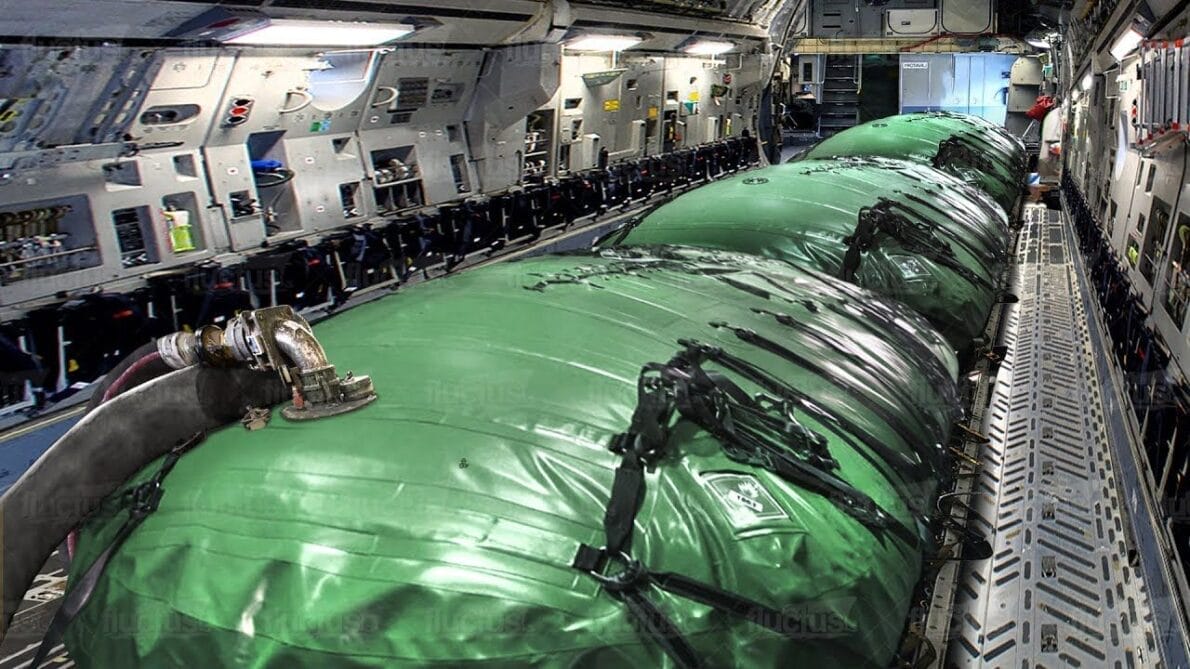
For Long-Distance Missions Involving The Transport Of Large Quantities Of Fuel, The C-17 Of The Air Force Is Equipped With An Innovative Bulk Aerial Fuel Delivery System
This Air Force System Includes Three Fuel Bladders Installed In The Aircraft’s Huge Cargo Compartment. Each Bladder Can Store Up To Six Thousand Gallons Of Fuel, And The Aircraft Has Refueling Pumps, Diesel Engines, Flexible Hoses, And Delivery Nozzles To Ensure Safe Fuel Transfer.
-
Brazil Welcomes Spanish Wamos Air and Nigerian Air Peace, Potentially Transforming International Routes and Increasing Competition

-
Offshore air transport soars in Brazil, surpasses 2.5 million passengers, and reveals how oil has transformed Rio’s airports into key pieces of national logistics.

-
Latin America becomes the “global champion” of aviation taxes, tickets may become more expensive in Brazil, and IATA’s warning exposes risk for flights, tourism, and passengers.
-
Brazil has lost 85 air routes since 2019 and is still flying less than before the pandemic, leaving passengers with fewer destinations, fewer frequencies, and a more limited air network.


Upon Arrival At The Destination, The Unloading Process Is Simple. First, The Temperature And Other Safety Information Are Checked. Then, The Aviators Responsible For The Delivery, Along With The Loadmaster, Connect And Securely Fasten The Delivery Nozzles To The Air Force C-17’s Fuel Bladders, Allowing For The Transfer Of Fuel To Stationary Receptacles, Fuel Trucks, Or Other Aircraft At The Base.
When Ground Delivery Is Not Viable, The C-17’s Cargo Compartment Can Be Adapted To Transport Fuel In Smaller Containers, Which Can Be Airdropped
This Process Involves Teamwork To Move Fuel Pallets Into The Compartment, Securing Them To The Floor Of The Aircraft. Once Over The Drop Zone, The Cargo Compartment’s Rear Door Opens And The Pallets Are Released, With Parachutes Automatically Deployed To Ensure A Safe Descent.
The First Successful Aerial Refueling Took Place In 1923, In San Diego, And Since Then, The Technique Has Evolved Significantly. Today, The United States Air Force Uses Dedicated Tanker Aircraft, Such As The KC-135 Stratotanker, To Conduct In-Flight Refueling, Ensuring That Its Aircraft Can Continue Their Missions Without The Need To Land For Refueling.
The United States Air Force Uses Specialized Laboratories To Ensure That Each Gallon Of Fuel Is Free Of Contaminants Such As Water, Dust, And Hazardous Sediments
Fuel Storage Is Also A Concern, With Underground Tanks Used To Maintain Lower Temperatures And Reduce The Risk Of Explosion.
With These Innovative Methods, The United States Air Force Is Able To Safely Transport Tons Of Aviation Fuel, Ensuring That Its Aircraft Are Always Ready To Fulfill Missions Anywhere In The World.