Portuguese
  Spanish


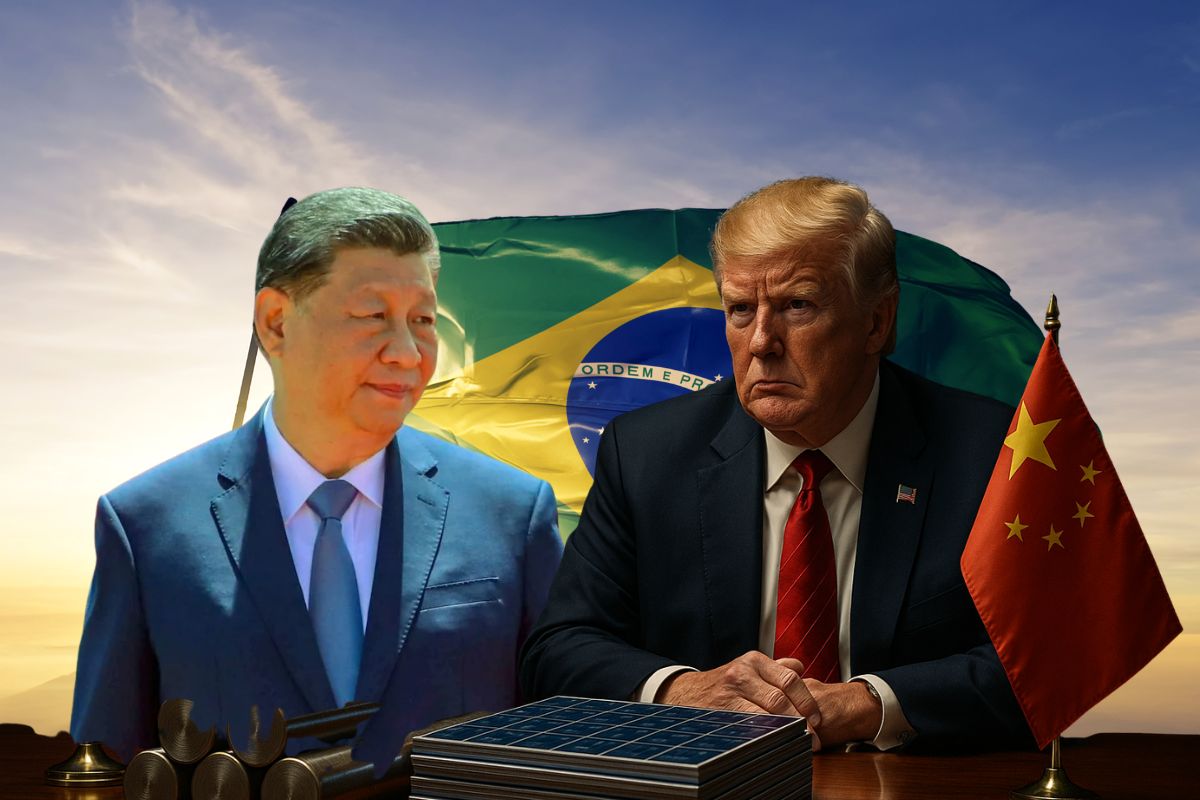

With the American Tariff of 50% on Brazilian Beef and the Ban on Chicken, Mexico and China Increase Pressure for More Exports and Reshape the Sector’s Trade Map.
Brazil is experiencing a decisive moment in the protein sector. On one side, Mexico and China are pushing for more Brazilian meats, sending technical missions and signaling increased purchases. On the other side, the United States imposed tariffs of 50% on Brazilian beef and maintains restrictions on chicken, creating a scenario of strategic realignment for domestic slaughterhouses.
According to data from the Ministry of Agriculture, Mexico has already surpassed the U.S. as a destination for national beef, while China prepares for a gradual resumption of chicken imports. Experts warn that this movement diversifies markets, but also increases Brazil’s dependence on partners that use food security as a political tool.
Mexican Mission Inspects Brazilian Slaughterhouses
Between September 15 and 26, an official mission from Senasica, Mexico’s sanitary inspection agency, visits 35 Brazilian slaughterhouses to renew licenses and another 14 for new authorizations.
-
Solar-powered agricultural robots operate 24/7, remove weeds with 8mm precision, and aim to cut herbicide use without fuel consumption in the fields.

-
Brazilian Farmer Invents Low-Cost Tractor Using Motorcycle Parts, Efficiently Working 2 Acres on 1 Liter of Diesel

-
Regenerative Farmers Use Keyline Plow to Improve Pasture Hydration, Storing 1 Gallon of Water Every 30 Centimeters

-
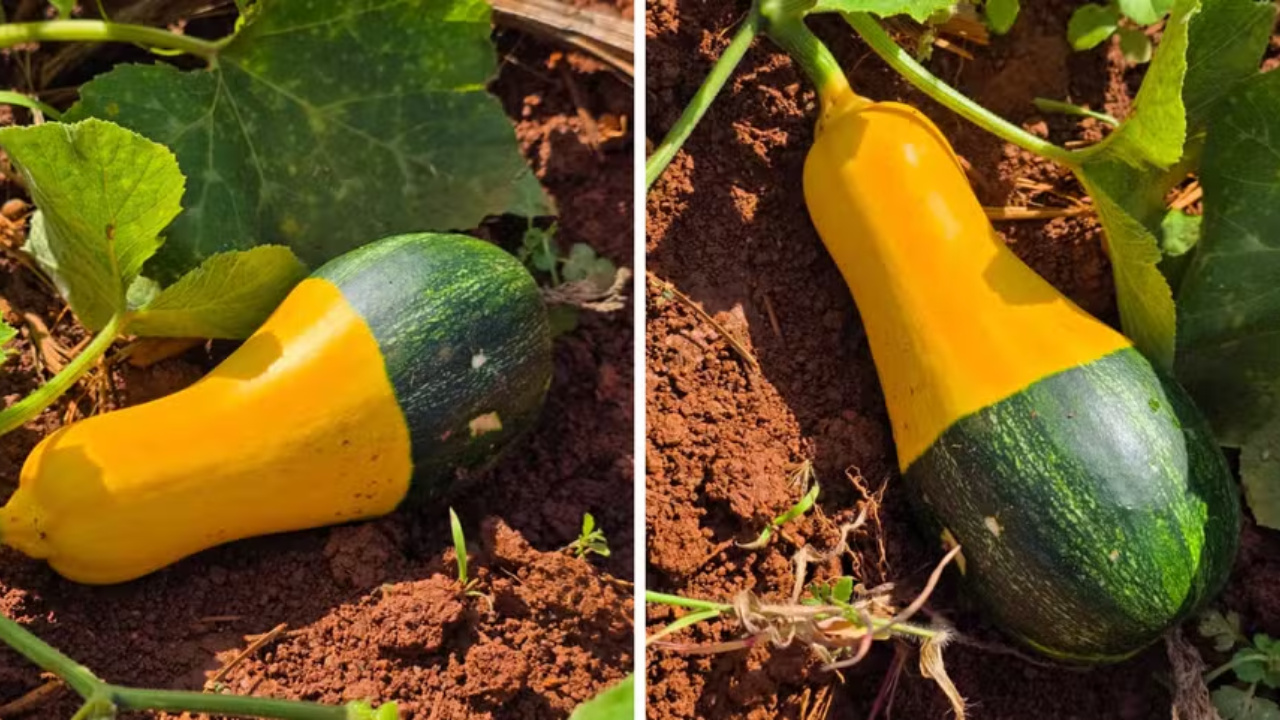
Bicolor Pumpkin Resembling Hand-Painted Art Discovered by Brazilian Researchers in the Capital Due to “Spontaneous Mutation”



The list includes units from giants such as Marfrig, Minerva, JBS, and Frisa, spread across Mato Grosso, Goiás, Rondônia, São Paulo, Espírito Santo, and Minas Gerais.
The Mexican interest is strategic.
With the U.S. tariff on Brazilian beef, Mexico has consolidated itself as the main market, absorbing shipments that previously went to the American market.
For the industry, this represents an opportunity, but also a structural change, as Brazil becomes even more dependent on its neighbor to maintain the export pace.
China Negotiates Reopening of Brazilian Chicken
China, the largest buyer of beef and also significant in chicken, is preparing a technical mission for September 22, aiming to evaluate slaughterhouses and discuss lifting the ban on Brazilian chicken.
The ban was enacted after the detection of a single case of avian flu at a farm in Rio Grande do Sul, even after the OIE (World Organization for Animal Health) recognized Brazil as free of the disease.
While sales to the Asian giant remain stalled, Mexico absorbed 37,500 tons of Brazilian chicken in August, a 873% increase compared to the same period in 2024, according to the Brazilian Animal Protein Association (ABPA).
For JBS, the Chinese mission represents a crucial step toward restoring normalcy in the sector and reducing the risk of overload in other markets.
U.S. Pressure Threatens Brazilian Competitiveness
Unlike Mexico and China, the United States has adopted restrictive measures that directly affect Brazilian agribusiness.
The additional 50% tariff on beef has made shipments of higher value-added products, such as premium cuts, unfeasible, in addition to maintaining the ban on chicken.
These measures represent not only a loss of market but also a strategic challenge.
The American animal protein sector faces reduced supply and high costs, but prefers to block Brazilian beef as a way to protect local producers.
For analysts, this creates a distortion that favors competitors like Australia and Uruguay.
Dependence and Strategic Risks
International trade experts point out that the current reorganization of Brazilian exports brings short-term gains, but increases vulnerabilities in the long term.
The concentration on China and Mexico, countries that historically use sanitary barriers and market negotiations as political tools, could create instability for billions of dollars in contracts.
Still, diversification in relation to the U.S. is considered necessary.
For Brazil, the way forward will be to invest in new markets, greater sanitary transparency, and expanding the capacity to respond to trade barriers, in order to reduce risks and consolidate a solid position in the global meat trade.
Do you believe that greater dependence on China and Mexico, in light of the U.S. ban on Brazilian beef, strengthens or weakens Brazil’s position in the international market? Please leave your opinion in the comments — we want to hear from those closely following the impacts of this change.