Portuguese
  Spanish


Brazilian Farmers Value Soil Microbiome, Adopting Biological Solutions for Greater Sustainability and Resilience of Farms.
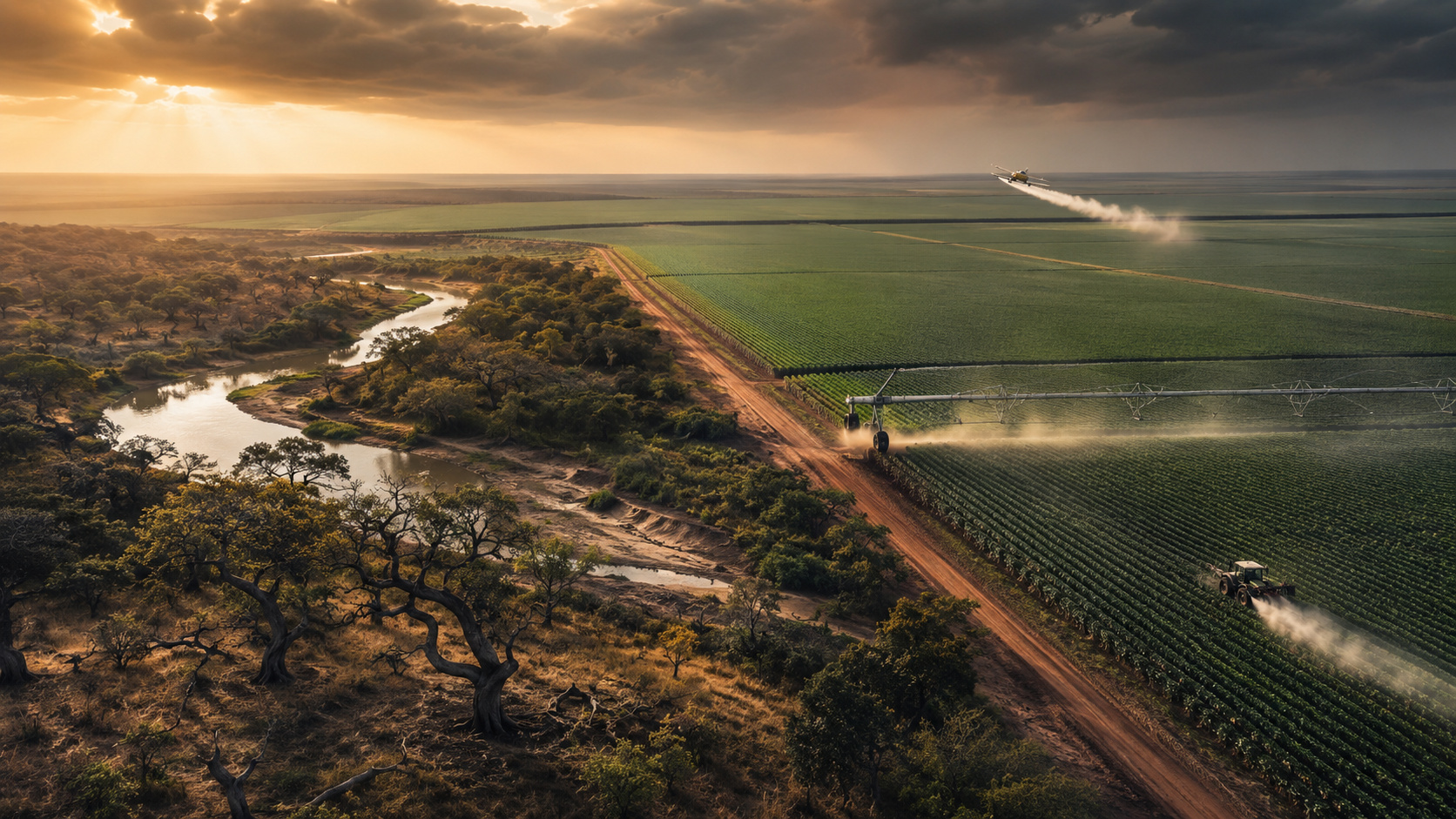
In the Brazilian scenario, sustainability has become an imperative for those working the land. Today, attention goes beyond conventional methods, and many are investing in practices that benefit the soil microbiome. These biological solutions not only improve soil health but also promote greater resilience, making agricultural practices more sustainable in the long term.
Brazilian producers are leading this movement by integrating techniques that favor the biological life of the soil into their properties. This not only ensures more stable productivity but also preserves natural resources. By adopting such an approach, farms can balance productivity with environmental responsibility, thus ensuring a more harmonious future between agriculture and sustainability. Promoting sustainable agricultural practices is essential for maintaining the health of the planet and future generations.
This group of producers does not see the soil merely as a simple support base for the development of agricultural crops. Instead, they consider it a complex and dynamic ecosystem, where biological interactions play a key role in the health and productivity of crops. Among the various innovations that are transforming this notion, the concept of the soil microbiome deserves attention for its significant impact.
-
India’s Sugar Export Cuts and Ethanol Shift Amid El Niño Threat Could Impact Global Prices and Stocks

-
Quarantine Pest Threatening Palm Trees Puts Brazilian Authorities on Alert, Prompts Monitoring at University of Taubaté and Potential Control Measures Across São Paulo
-
Global Alert: Report Finds 159 Pesticides in Coffee Beans Sold in Europe, Posing Serious Risks to Millions of Farm Workers
-
Low-Demand Brazilian Beef Offal Gains Popularity Abroad: Indonesia Purchases $19.5 Million, Boosting Revenue and Reducing Waste



The Role of Soil Microbiome in Sustainability
The solution provided by Microgeo is a concrete example of how agricultural producers are adopting biological management practices that deliver positive results not only in the short term but also contribute to the enduring sustainability of their activities. Claudia Liciane Sulzbach, who is the owner of Fazenda Laruna located in the municipality of Balsas in Maranhão, stands out as one of these progressive farmers who have invested in sustainable practices. On her 1,700-hectare property, where she grows soybeans and corn, she shares how biological solutions, especially through the use of Microgeo®, have been transforming her relationship with the soil.
‘I started using Microgeo® after attending an event in 2023 that fascinated me. It changed my perception of managing my farm. What I saw there was the vibrant presence of life in the soil, something I have always aspired to for my property’, says Claudia. She believes that the vitality and richness of organic matter in the soil, demonstrated by a producer who was already using the solution, are differentiators that, besides improving productivity, protect her farm from climatic impacts. Claudia views sustainable practices as something that transcends the results of a single harvest; she considers biological management a strategy to strengthen the soil and production over the years.
Sustainability as a Priority
‘The use of sustainable solutions is an indisputable priority for me. In the long term, I see that this management with Microgeo® is an effective way to prepare the soil to face climatic adversities. It is not a change that can be observed from one year to the next, but rather a continuous approach to mitigate climatic impacts and production adversities‘, says the producer. Furthermore, the use of Microgeo® brings a practical economy: the product can be applied together with other products, such as defensives, eliminating the need for a dedicated application, thereby reducing the cost of production. Claudia mentions that this financial advantage helps maintain sustainability as a priority, even when it is necessary to review production costs.
‘When planning the harvest, I already know where I can or cannot save. But I never compromise on practices that strengthen the soil. This is essential for producing correctly and sustainably’, she emphasizes. In addition to sustainability, Claudia highlights the growing importance of technology in the field and the role of women in agribusiness. She integrates the Rede Agro Mulher Mais, a collective of women in agriculture that promotes events, discussions, and even a podcast to share experiences and discuss relevant issues. ‘I see that we are managing to position ourselves and show the value we bring to the agricultural sector. I always tell women not to be afraid to take their place.’
Women’s Empowerment in Agribusiness
Working with humility, courage, and seeking knowledge is the key to success’, shares Claudia. The use of biological solutions such as Microgeo® represents a crucial transformation in Brazilian agribusiness, where the care for the soil is now seen as a strategic investment. The search for alternatives that reduce environmental impact and preserve life in the soil goes beyond annual results. This practice not only improves crop performance but also strengthens the resilience of farms in a scenario of climate change and limited resources.
For Claudia, caring for the soil with awareness and innovation is the path that will allow future generations to continue producing responsibly. ‘A rich, fertile, and well-managed soil is the first step to face an El Niño, for example, with greater confidence and to ensure that agriculture in Brazil continues to grow sustainably’, she concludes, highlighting the importance of strategic investments for the future of agribusiness.
Source: MICROGEO Press