






 Portuguese
  Spanish


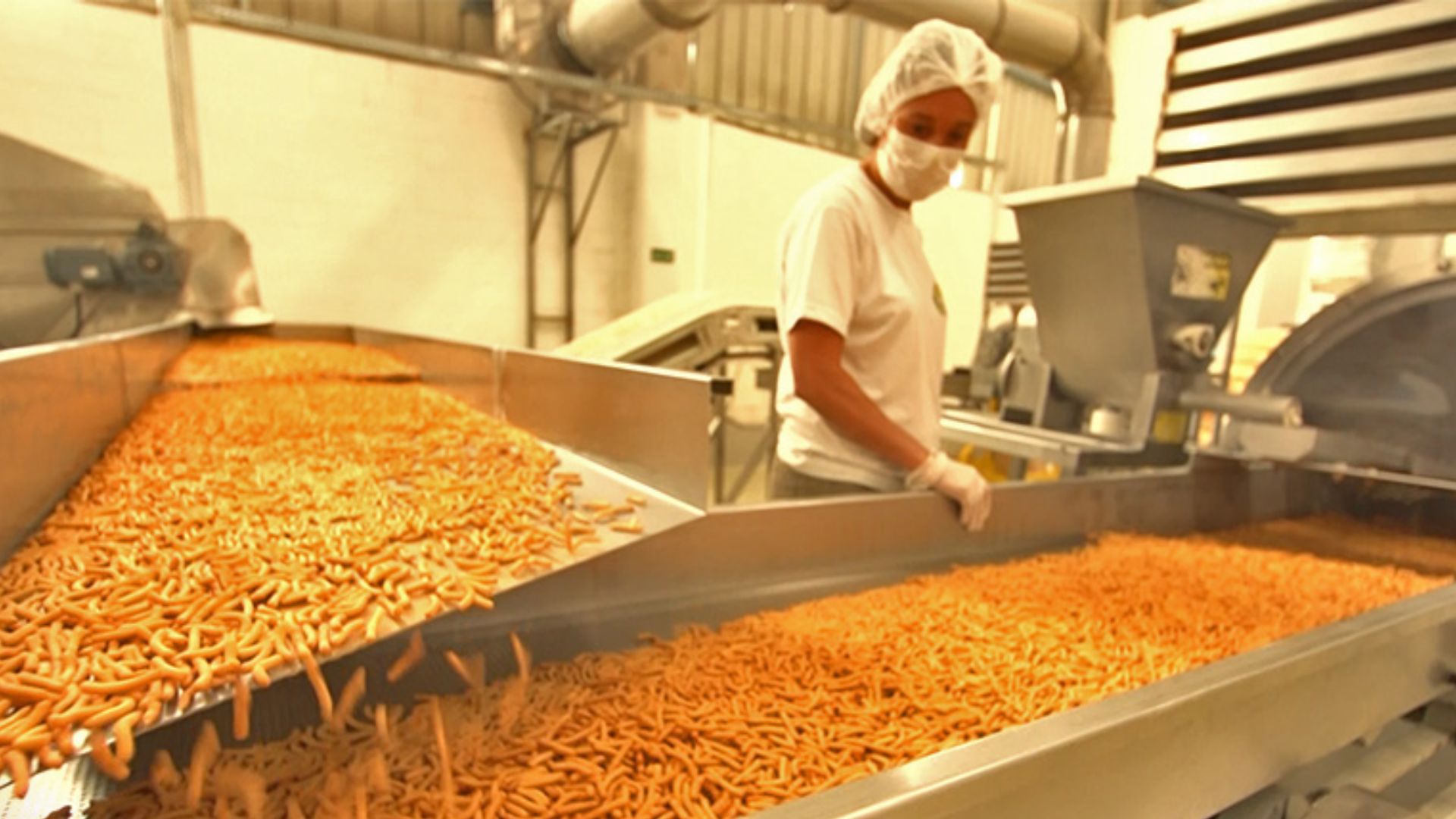
With Modest Origins in the Interior of São Paulo, the Snack Manufacturer Grows 30% Annually, Produces 700 Tons Per Month, and Prepares to Double Production and Dominate the National Market
The market for snacks in Brazil is still an expanding territory, but Milho de Ouro, a family brand born over three decades ago, has been transforming this scenario. Although the national per capita consumption is only 1.8 kilograms per year — equivalent to three packs per month —, the number is small compared to 4.5 kilograms in Mexico and the global average above 5 kilograms, according to data from the Brazilian Packaging Association (Abre).
This difference represents a billion-dollar opportunity for local manufacturers willing to challenge the multinational giants.
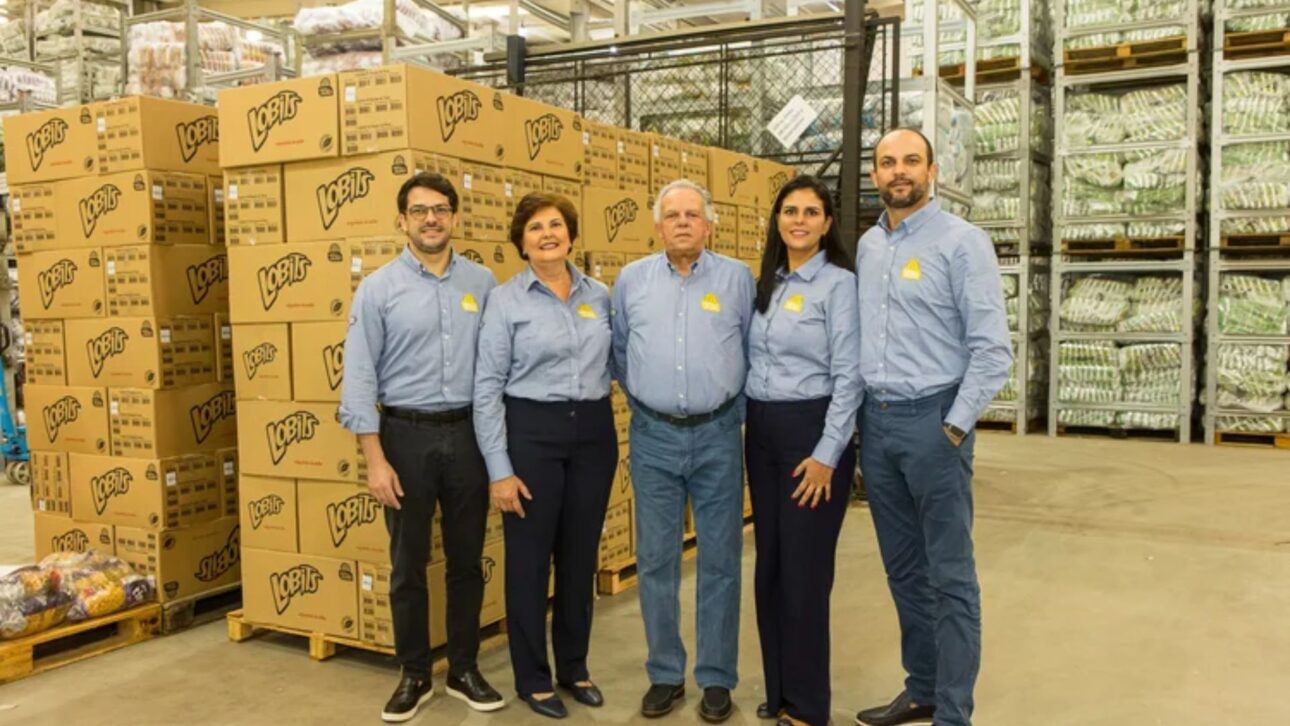
It was in this context that Milho de Ouro was born, in 1992, from an unlikely decision. Darlene Rodrigues, a social worker by training, decided to swap the fabrics and textiles of her old sewing business in Amparo, in the interior of São Paulo, for corn and vegetable oil. The first machinery bought by the family produced only 80 kilograms of snacks per hour, but it was the starting point for a journey that today symbolizes one of the greatest success stories in the Brazilian food industry.
From 80 Kilograms to 700 Tons: The Production Leap and Professionalization
After 12 years of outsourcing production, Milho de Ouro decided to take full control of the operation, launching its own snack brand, Lobits, in 2009. The shift marked the beginning of a process of professionalization and logistical expansion, with the strengthening of distribution and administrative management.
-
Coca-Cola Shuts Down 100-Year-Old Factory in the U.S., Impacting 85 Workers and Shaking Local Community with Historic Consequences

-
Bianca Andrade Invests $30 Million of Her Own Money in Boca Rosa, Launches Over 100 Products in a Year, Aiming for $400 Million by 2026
-
Belo Horizonte Becomes First Brazilian City to Fund Housing, Utilities for 100 Homeless Families with $900,000 Initiative
-
Brazilian Joins Homeownership Consortium, Faces Decade of Dual Payments Totaling $141,000, Surpassing Traditional Mortgage


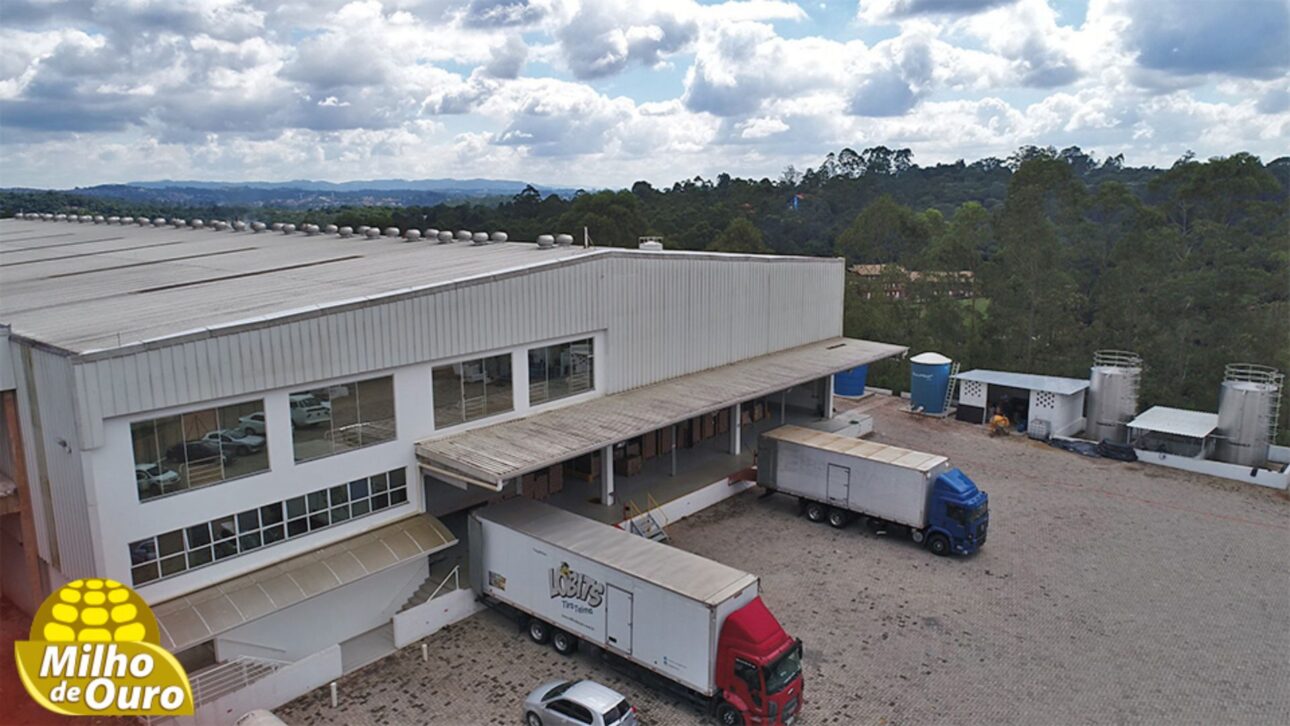
Today, Milho de Ouro produces more than 700 tons of snacks per month, with installed capacity to double the volume to 1,400 tons across its two factories located in Embu das Artes, in Greater São Paulo. The goal is ambitious: to generate R$ 130 million by the end of 2025, representing a growth of 30% compared to the previous year, and to reach between R$ 180 million and R$ 200 million by 2026.
According to a report from Exame, this advancement is directly linked to investments in technology and management. In recent years, the company has implemented the SAP system, CRM Salesforce, and obtained international quality certifications — pillars that support the new phase of operations.
Furthermore, Milho de Ouro is investing in tastings at a thousand points of sale by 2025, reinforcing its presence on store shelves and expanding the brand’s reach.
Sustainable Growth, Family Culture, and Looking to the Future
Even with rapid expansion, Milho de Ouro maintains the family essence that has made it a reference in the sector. Under the leadership of founder and CEO Darlene Rodrigues and her children Pedro, Isabela, and Ricardo, management prioritizes not only growth but also the well-being of employees.
Currently, there are 230 employees who participate in training and psychological support programs, initiatives that strengthen organizational culture and directly reflect in increased productivity.
With more than 20,000 points of sale throughout Brazil, Milho de Ouro stands out mainly in São Paulo and is expanding to Rio de Janeiro and other regions in the Southeast. According to Scanntech, the company is growing 16.7% annually in the South and Southeast regions — more than double the market average of 7.8%.
Lobits already holds the second position in corn snacks in smaller packages in Greater São Paulo, consolidating the brand’s presence in the heart of the national retail market.
The Challenge of Warning Labels and the Bet on Healthy Eating
Facing multinationals is just part of Milho de Ouro’s challenge. The company is also adapting to the new regulations from Anvisa, which require nutritional warning labels — known as black labels — on products with excess sodium and fat.
To avoid these classifications, the company has been reducing sodium and oil content in several lines and developing snacks with sunflower oil and organic corn, anticipating healthy consumption trends.
Milho de Ouro already outsources products for health-conscious brands, such as Mãe Terra, and is preparing to launch its own line of natural products. The goal is to cater to consumers seeking more balanced alternatives while preserving the flavor and affordable pricing that drives the growth of the category.
For the coming years, the company envisions new Lobits flavors, family packs of 200 grams, and promotional actions related to the World Cup, connecting the brand to the public’s emotions.
According to Pedro Rodrigues, commercial director, the strategy is clear: “Lobits is a 100% Brazilian brand, with local production and nearby suppliers. This reduces costs, maintains quality, and allows us to respond quickly to retail changes.”





Be the first to react!