






 Portuguese
  Spanish


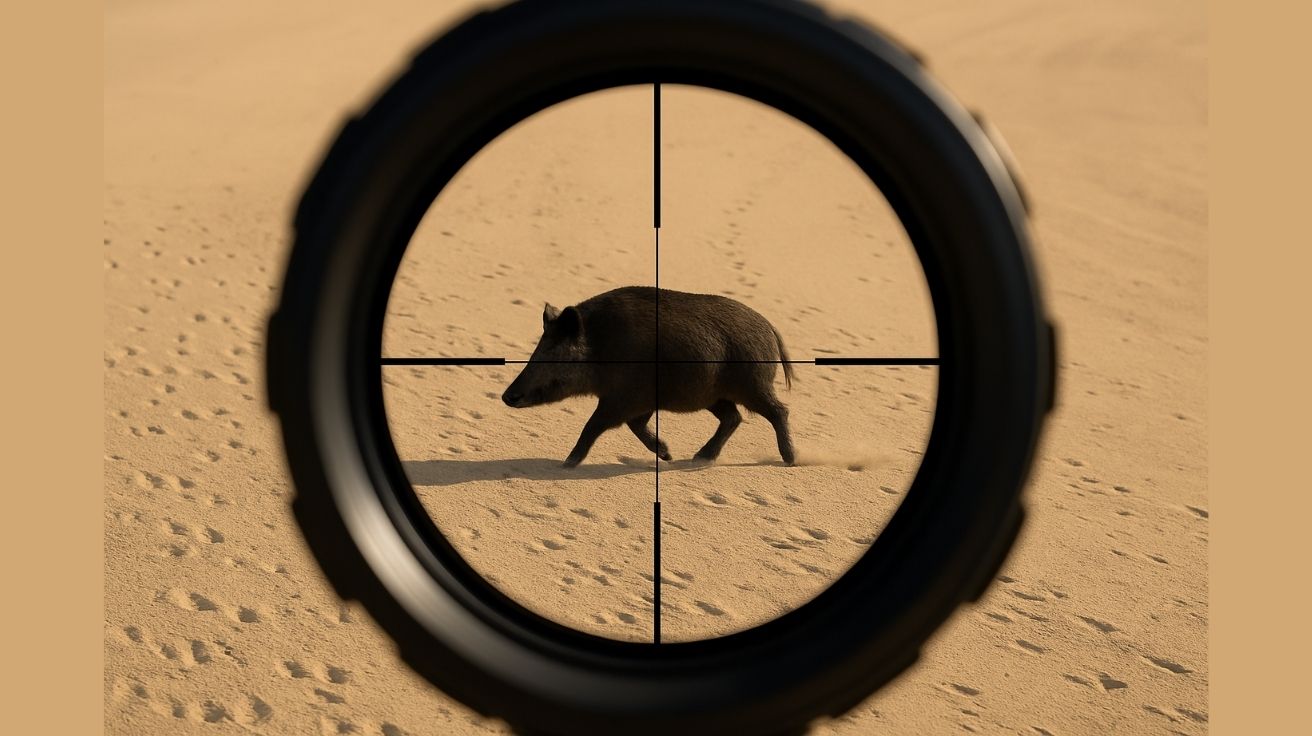


With More Than 6 Million Wild Boars, 4.7 Million Coyotes, and 36 Million Deer, the United States Adopts Legal Hunting to Contain Billion-Dollar Losses in Farms and Crops; Traps, Dogs, and Even Helicopters Are Part of the Operation.
In the United States, legal hunting of wildlife such as wild boars, coyotes, turkeys, and deer has become a fundamental tool for agriculture and environmental management, given the uncontrolled population growth of these species and the severe economic impacts on the country’s farms and crops.

The Impact of Predators and Pests on Agricultural Production
Currently, it is estimated that wild boars cause up to 2.5 billion dollars in annual losses, invading crops, destroying fields, and threatening domestic animals on farms. With a population of 6 million spread across 35 states, these animals use their snouts like plows, leaving devastated fields in their wake.
In addition to agricultural destruction, wild boars pose a risk to public health and the swine industry, as they carry over 30 infectious agents. To combat them, the government invests more than 100 million dollars a year in control programs, allowing the use of automated traps, hunting with dogs, and even helicopter tours for aerial culling.
-
El Niño may boost corn and soybean harvests in Brazil and Argentina, offering potential relief for global food prices.

-
Japanese Wagyu Gains International Fame for Its Intense Marbling, Tender Cuts, and High Prices in Brazil
-
Brazilian Farmers with Basic Education Create Backyard Machines That Win National Invention Contest, Beating 242 Projects

-
Brazilian Farm Innovates with Cage-Free Chickens, Producing 3,300 Odorless Eggs Daily


Coyotes also concern farmers. With about 4.7 million individuals in the U.S., they are present in almost all states and attack livestock, especially on farms with sheep, chickens, and young cattle. As opportunistic predators, they are hunted with rifles, ground traps, and bait in rural population management campaigns.
Control with Legal and Seasonal Hunting Ensures Balance
In the United States, hunting these animals is regulated by state, with requirements for licenses and seasonal restrictions. The goal is to maintain ecological balance without causing extinction, respecting environmental legislation and preserving the productivity of rural properties.
The wild turkeys, with an estimated population of 7 million, are also a target for hunters. Although they are not predators, they cause urban and rural disturbances, damaging crops, littering yards, and even colliding with vehicles. Their hunting is permitted in the fall and spring seasons, using sound traps and ambush techniques.
Another focus of management is the white-tailed deer, a species abundant in forests and agricultural areas. With 36 million individuals, their population density can harm the growth of native vegetation and yield of crops such as corn, soybeans, and beans, as well as facilitate the spread of diseases.
Technology and Modern Tactics in Rural Hunts
The American farms that deal with these threats adopt advanced technological measures in addition to legal hunting. Electronic traps with remote sensors, reconnaissance drones, night vision cameras, and specific ammunition for hunting large game are part of the arsenal available to farmers and licensed hunters.
In the case of wild boars, the practice of “electronic fencing” allows capturing up to 50 animals at once. The traps are installed near water sources, crops, and shaded areas, which are preferred locations for these nocturnal animals. The meat from captured wild boars is sold to processing plants or processed on the farms themselves.
Specialized dogs, such as catch dogs and bay dogs, are also used in foot chases. The first immobilize the animal, while the second alert about its location. It is an ancient technique, but still widely used in southern U.S. regions.






Eles estão combatendo um exército de animais!!😂,cara se tiver uma guerra os Estados Unidos passsr por uma doença etc,não vão ter como derrotar esses animais,aqui no Brasil com nosso governo fraco estamos perdendo para 1 milhão de javali,os Estados Unidos não da conta imagina o Brasil.
No Brasil é tudo bagunça, o exercito só serve pra pintar meio fio e fazer asfalto. Em alguns lugares no país já temos porcos selvagens que estão dando prejuízos para alguns agricultores. A única solução foi fazer valas grandes para conter eles, pois o porte de armas e munição são proibidas nesse infelizmente.