Portuguese
  Spanish


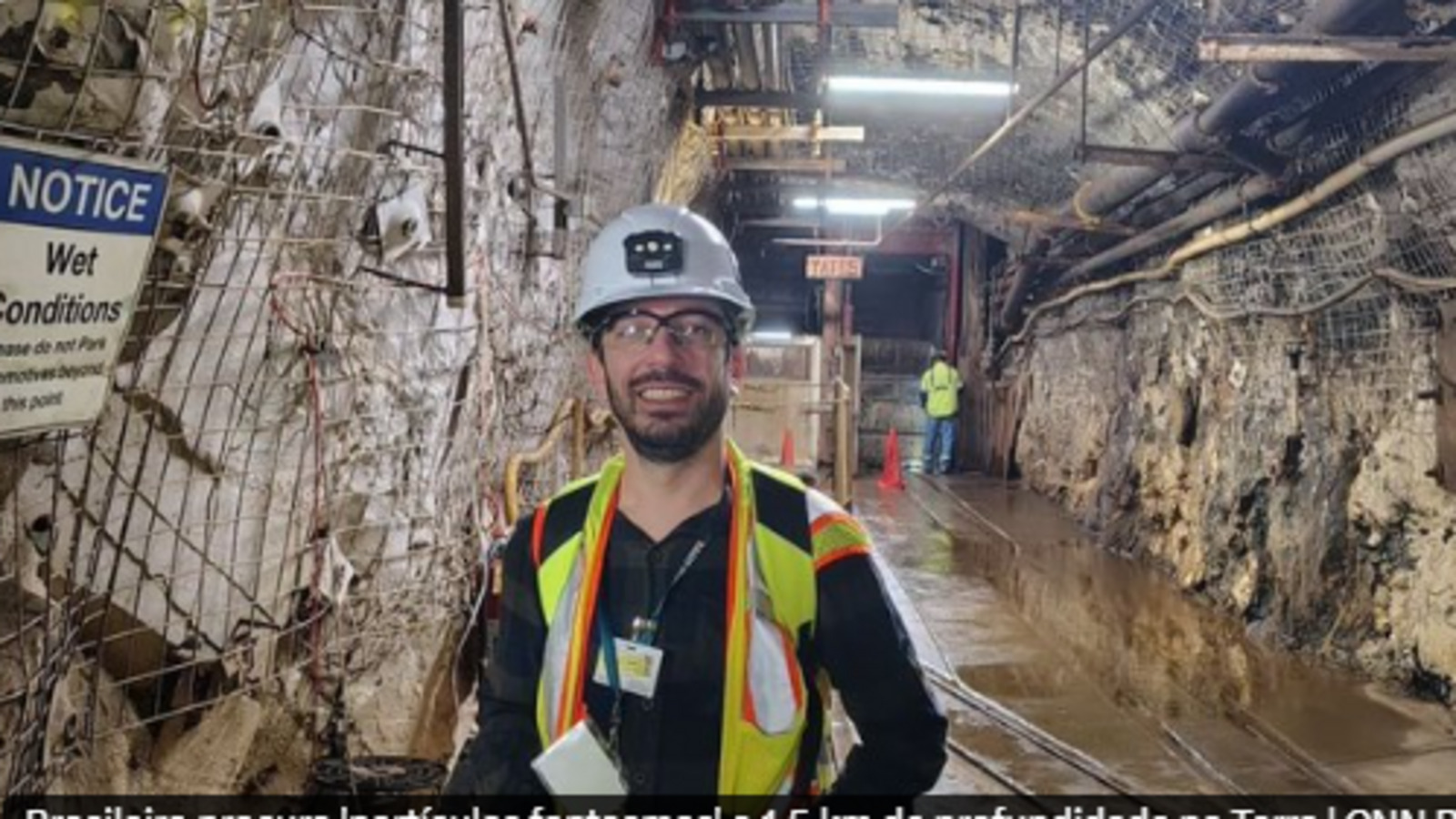

In an underground laboratory in the United States, Luiz Prais participates in a billion-dollar research studying neutrinos, antineutrinos, supernovas, and dark matter more than 1.5 km deep
Billions of neutrinos from the Sun pass through the human body every second, almost without interacting with matter. In the United States, Brazilian physicist Luiz Prais, 34, is participating in research at DUNE, an underground laboratory more than 1.5 km deep, created to study these mysterious particles.


Brazilian researches neutrinos more than 1.5 km deep
Luiz Prais is a post-doctorate in physics and a researcher affiliated with the University of Cincinnati. His research is part of DUNE, the English acronym for Deep Underground Neutrino Experiment.
The laboratory is located in the United States, in a structure linked to Fermilab, an energy research institution connected to the United States Department of Energy. The complex is linked to South Dakota and another site in Illinois.
-
Google’s Biotechnology Project Seeks EPA Approval to Release 64 Million Bacteria-Infected Male Mosquitoes to Curb Disease Transmission

-
China Tests New Urban Mobility in Hefei with Electric Aircraft and Drones, Eyeing a Trillion-Dollar Market to Transform Transportation

-
Xiaomi Unveils Smart Technology to Replace Air Conditioners: Promises 45% Less Energy Use, 1,760 m³/h Airflow, APF 5.31 Efficiency, and Annual Savings of 884 kWh.
-
After AI Failures, Ford Hires Hundreds of Veteran Engineers


The project cost more than R$ 20 billion and brings together over 1,500 collaborators from 38 countries in different research areas. The underground structure is used to reduce interference from other particles during the studies.
According to Prais, neutrinos are produced by various sources, such as the Sun, nuclear reactors, the Earth’s atmosphere, and particle accelerators used in scientific research.
He also cites an everyday example to explain the presence of these particles. Even bananas emit a quantity of neutrinos, about 3 million per day, according to the researcher.
Depth helps isolate the ‘ghost particles’
The experiment is conducted at great depth because the rocks act as a natural barrier.
Most particles are blocked, in a logic similar to the protection made by a lead wall against radiation.
The neutrinos, however, pass through these barriers. This allows detectors installed below the surface to observe these particles more accurately, in an environment with less external interference.
Prais explains that this isolation can help scientists identify differences between the neutrino and its antimatter, called antineutrino.
If ongoing studies confirm a behavioral distinction between these particles, the research could pave the way to investigate why the Universe is dominated by matter, and not antimatter.
This point is linked to questions about what might have occurred in the moments following the Big Bang, as explained by the Brazilian researcher.
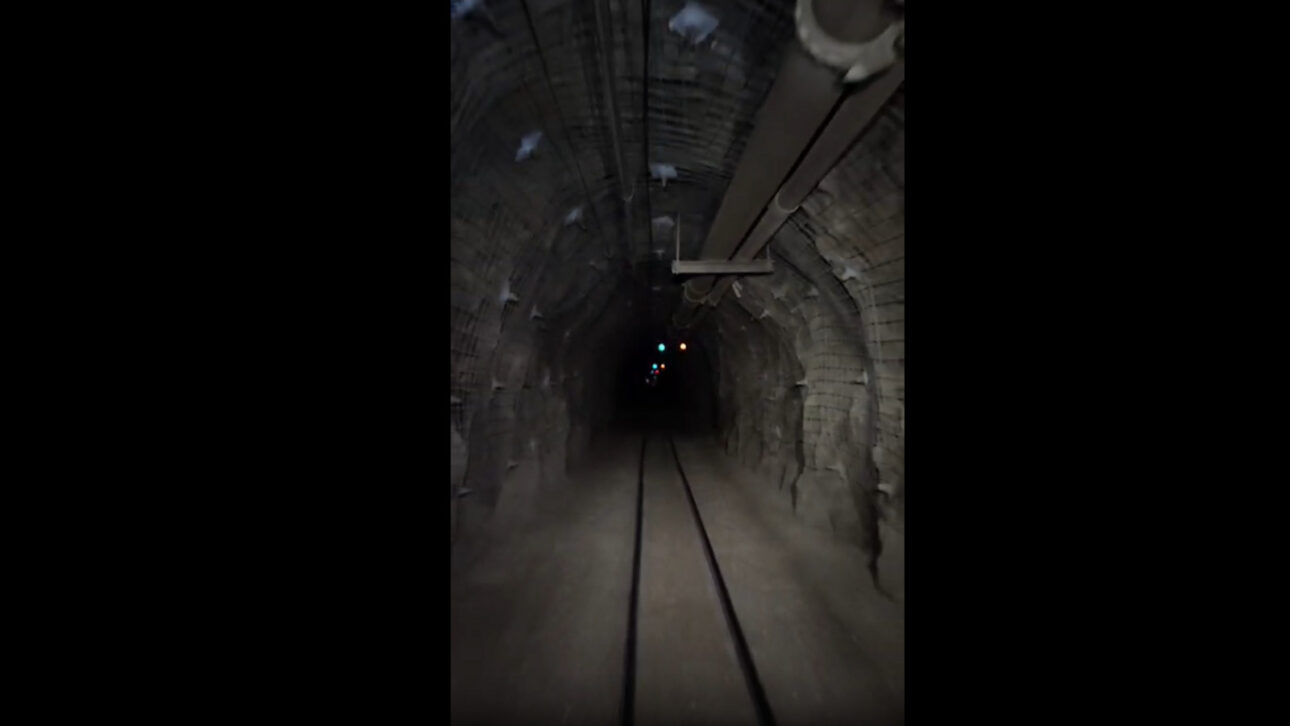
Detectors have mass equivalent to ten Eiffel Towers
The scale of DUNE is one of the central points of the research. Each particle detector is the size of a commercial airplane, according to project information.
Combined, the detectors reach 70,000 tons. The total mass is equivalent to ten Eiffel Towers, a comparison used to dimension the structure necessary to study particles that almost do not interact with matter.
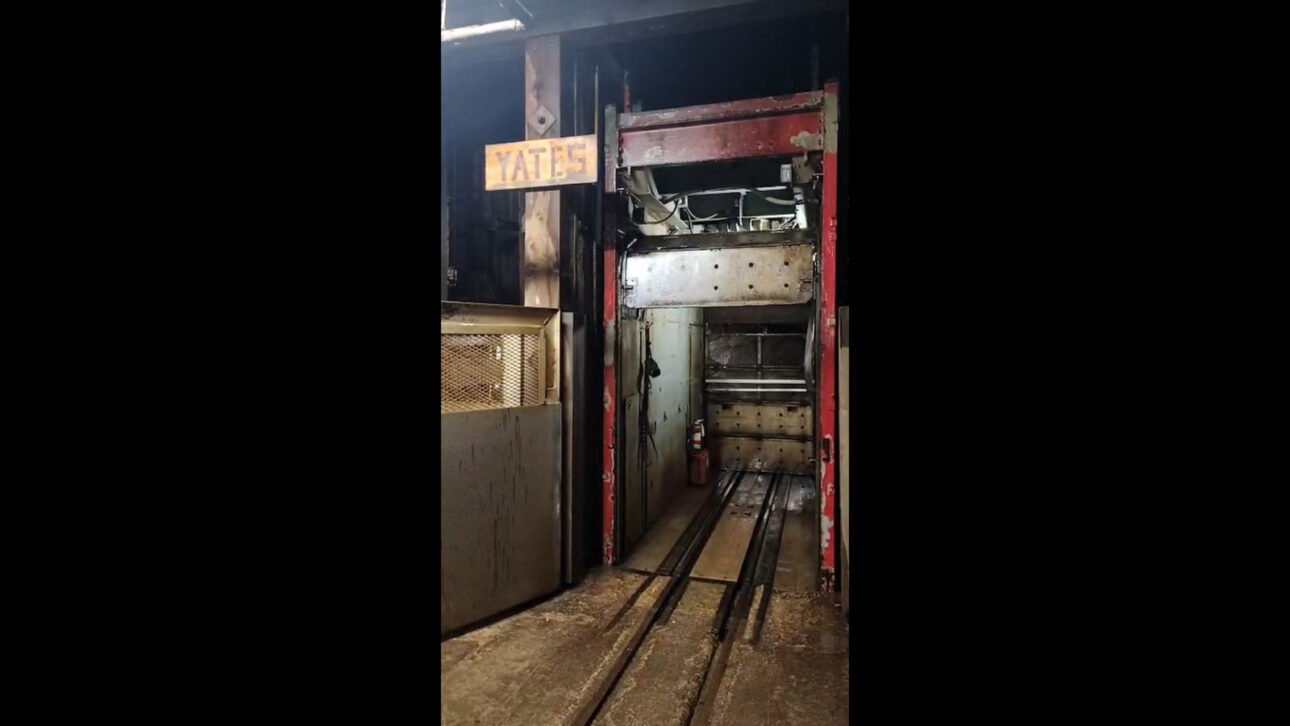
The area takes advantage of an existing structure. According to Prais, the space was expanded with new excavations to house caverns where the new detectors are being erected.
In the location, the first neutrinos produced by the Sun were identified in the 1960s. The new phase expands the scientific use of this underground structure.
Experiment also targets dark matter and supernovas
In addition to the comparison between neutrinos and antineutrinos, DUNE has other scientific objectives. Prais states that the experiment has a wide range of investigation possibilities.
Among them are the study of supernovas, explosions of stars in the final stage of existence, and the search for the so-called dark matter, not yet detected.
The trajectory of the Brazilian researcher began with an undergraduate degree in Physics at Unesp. He also attended the University of Coimbra in Portugal through a scholarship.
Later, during his master’s degree at the Federal University of Goiás, Prais got involved with the NOvA experiment, which also studies neutrinos and has been in operation for over 10 years.
This article was prepared based on information from the material provided about Luiz Prais, DUNE, Fermilab, and neutrino research, with data, numbers, and statements preserved as per the consulted material.