Portuguese
  Spanish


The accelerated modernization of the Brazilian countryside is advancing faster than professional training, creating a deficit of qualified labor capable of operating increasingly sophisticated technologies.
The Brazilian agribusiness is experiencing a curious situation. While farms invest in GPS-equipped tractors, connected harvesters, precision agriculture, and digital monitoring, hiring qualified professionals has become one of the sector’s biggest challenges. A survey conducted by the Mato Grosso Institute of Agricultural Economics (Imea) in partnership with Senar-MT showed that 83% of producers report difficulties in hiring qualified workers, revealing a bottleneck that threatens to keep up with the technological growth of the countryside.
The problem does not occur in a sector in crisis. On the contrary, Brazilian agribusiness remains among the main drivers of the national economy. Data from the Brazilian Agribusiness Labor Market Bulletin, prepared by Cepea and CNA, show that the sector employed 28.2 million people in 2024, a historic record. Even so, many properties find it difficult to fill positions considered essential for the modern operation of farms.
Agricultural machine operators have become one of the most difficult professions to find in the field
The study by Imea and Senar-MT identified that agricultural machine operators top the list of most sought-after professionals, representing approximately 37% of the needs pointed out by the interviewed rural producers.
-
At 93, Brazilian Farmer Restores 56 Hectares of Forest and Revives Spring in the Amazon, Installs First Climate Tower in the Region

-
Brazilian Cheesemaker Wins European Award for Ant-Infused Cheese with Nutty Flavor Inspired by Indigenous Tradition

-
Brazilian Family’s Cheese, Started with One Cow in 1984, Named Best in the World, Beating 2,700 Competitors from 30 Countries
-
Brazilian Ranchers Use Satellites to Optimize Pasture Management and Prevent Feed Loss in Cattle Farms


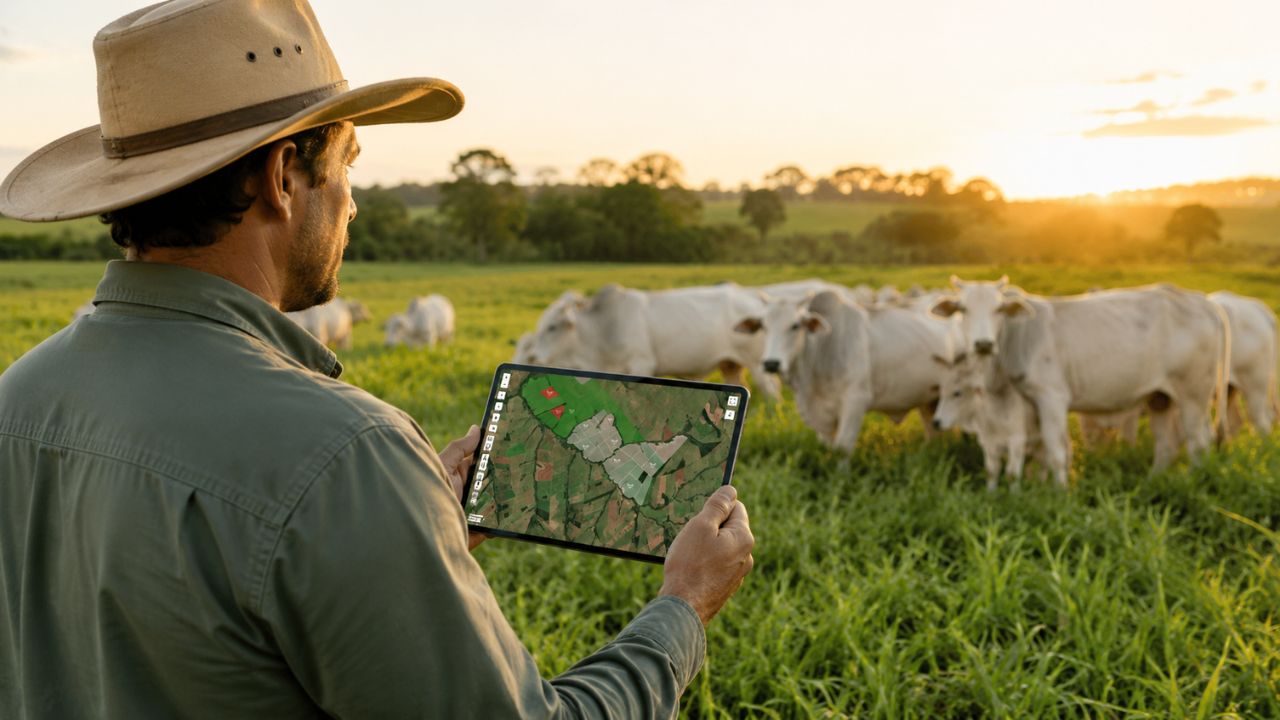
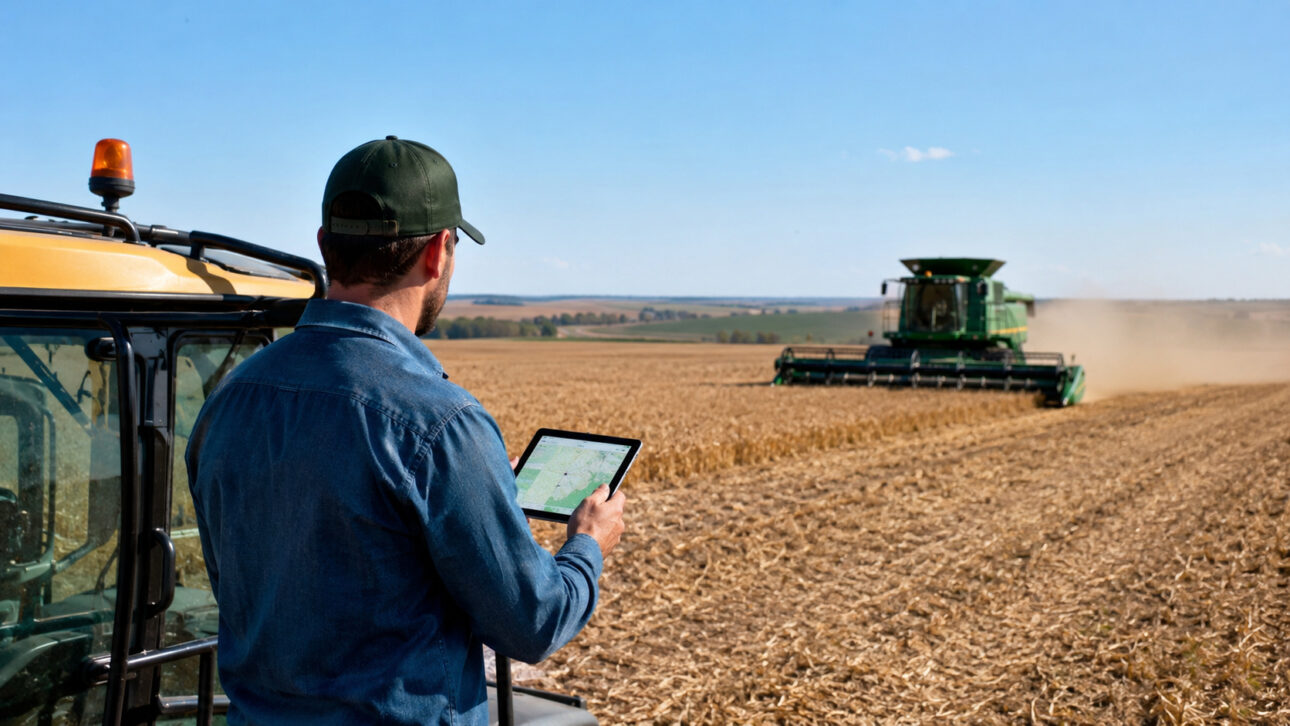
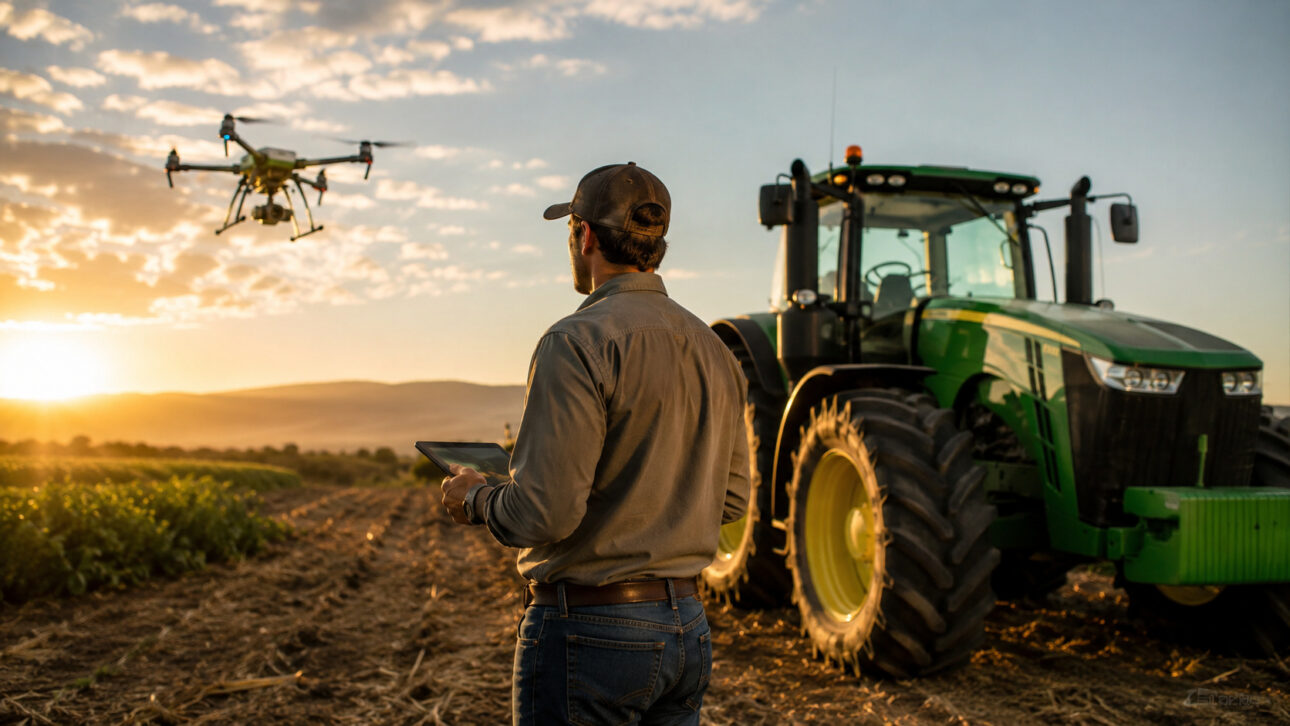
The data is striking because current agricultural machines are far from the traditional image of simple tractors operated only by practical experience. Today, many pieces of equipment work with autopilot, digital maps, sensors, telemetry, connectivity, and precision agriculture systems.
In practice, the modern operator needs to understand not only the operation of the equipment but also the embedded technology, performance monitoring, preventive maintenance, and data interpretation. This has significantly raised the level of qualification required by rural companies.
Increasingly Technological Farms Boost Demand for Specialized Workers
The accelerated modernization of the countryside is completely changing the job profile. According to Senar and Cepea, the growth of mechanization, digitalization, and precision agriculture has increased the need for workers with technical education, professional qualifications, and the ability to operate advanced technological systems.
This transformation is occurring precisely at a time when migration from the countryside to cities continues to reduce the availability of rural labor. AgriHub highlights that rural exodus and the aging population in the countryside are among the main factors explaining the scarcity of professionals. At the same time, farms require increasingly sophisticated skills to handle modern machines and systems.
The Problem is Not Just Finding Workers, But Finding Prepared People
The Imea research shows that the main difficulty reported by producers is not simply the number of candidates. The biggest barrier pointed out was technical qualification, cited by approximately 58% of respondents. This means that many positions exist, but they do not find professionals with the necessary training to fill them.
In addition to machine operators, producers also report difficulties in hiring cowboys, field professionals, technicians related to precision agriculture, drivers, and workers specialized in agricultural equipment maintenance. In many properties, technology has advanced faster than the training of professionals capable of fully utilizing it.
Some Farms Are Already Seeking Workers in Other States to Fill Positions
The shortage of professionals has reached a point that begins to alter recruitment strategies. The Senar-MT survey indicates that about 30% of producers need to seek workers outside their states or regions to fill certain positions.
This movement increases hiring costs and highlights that the problem is no longer localized. In regions heavily dependent on agribusiness, especially in areas of agricultural expansion, the demand for specialized professionals is growing faster than the local capacity to train labor.
Agricultural salaries have grown above the national average in recent years
The shortage of professionals has also begun to impact remuneration. Data cited by sector analyses show that agribusiness salaries have been growing above the national average. The Agribusiness Labor Market Bulletin itself points to a salary increase higher than the Brazilian average, driven by the need for more qualified professionals.
Additionally, studies related to the sector indicate that the average remuneration in agriculture has advanced more intensely than that observed in several other segments of the economy in recent years. This scenario helps explain why technical courses and rural training programs have started to receive increasing investments.
The sector is creating its own programs to train workers from scratch
Faced with hiring difficulties, agribusiness entities have started to invest directly in the training of new professionals. In Mato Grosso, for example, Senar-MT has developed specific programs to train operators and mechanics of agricultural machinery, including those aimed at young people with no prior experience in the sector. The courses include practical training on modern machines and simulators used by manufacturers.
According to Senar-MT, many participants start the courses without any previous contact with agricultural machinery and finish the training already prepared to enter the job market. The goal is to create a new generation of professionals capable of meeting the demands of the highly mechanized agriculture that has consolidated in recent years.
Modern agriculture needs technicians, operators, and technology specialists as much as producers
There is a common perception that agribusiness relies solely on traditional rural workers. The current reality is very different. The advancement of precision agriculture, connectivity, automation, and mechanization has created a growing demand for specialized operators, agricultural technicians, equipment mechanics, maintenance professionals, embedded technology specialists, and workers capable of interpreting data produced by machines.
On some properties, tractors, sprayers, and harvesters already operate with systems comparable to those found in aircraft and modern industrial equipment. Without professionals prepared to handle this technology, part of the productivity gains simply goes unutilized.
The paradox of Brazilian agriculture is producing more, investing more, and still lacking people to operate the machines
The Brazilian agribusiness continues to break production and export records while expanding investments in technology and mechanization. At the same time, producers report increasing difficulty in finding professionals capable of keeping up with this transformation. The research by Imea and Senar-MT shows that the problem is not only in the number of available workers but mainly in the necessary training to work in an increasingly technological field.
The result is a rare paradox: farms equipped with machines costing millions of reais, connected by satellite and loaded with digital sensors, waiting for qualified professionals to operate them. And, in many regions of the country, these professionals are becoming as sought after as the machines themselves.