Portuguese
  Spanish


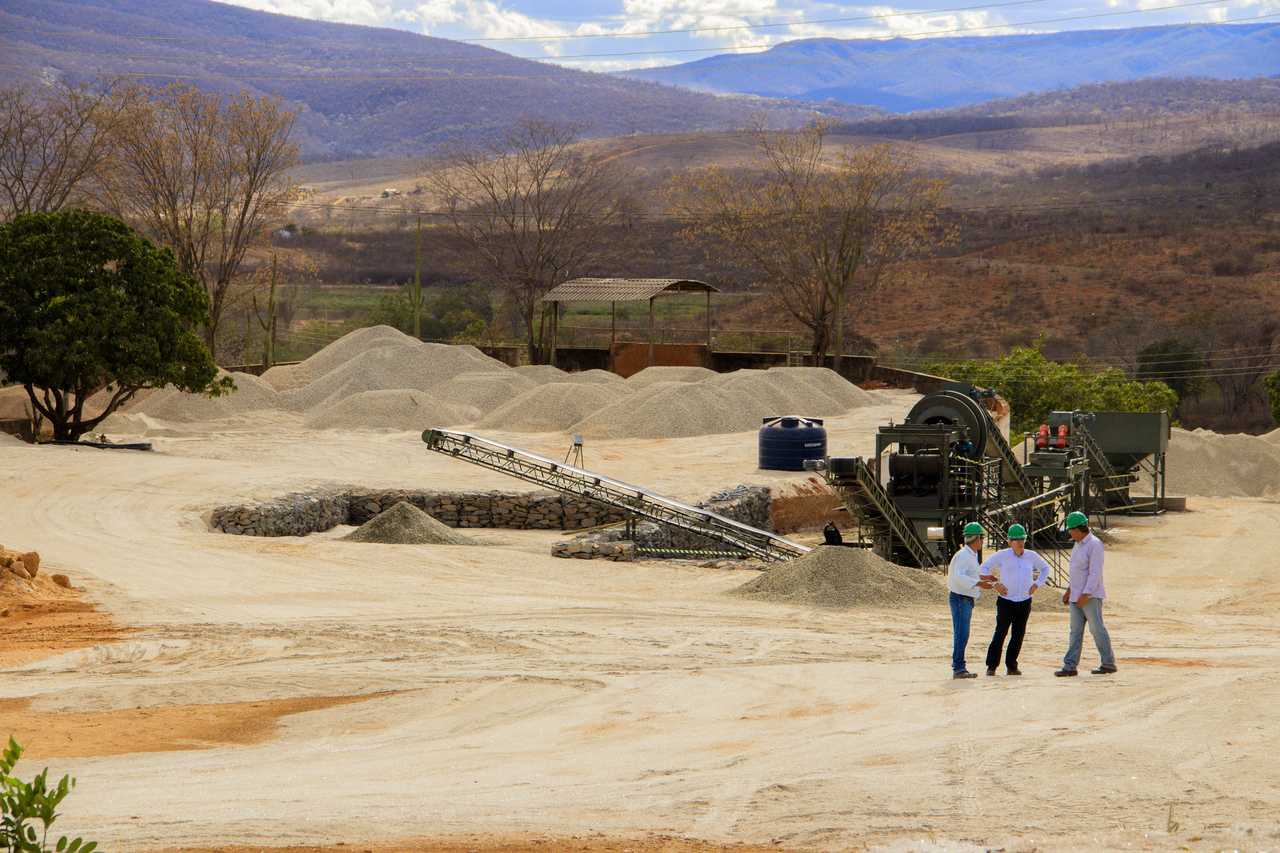

The Total Investments Only from the First Phase of the Grota do Cirilo Complex Already Reach R$ 3 Billion
Sigma Lithium, a mining company founded in Canada and led by Brazilians, will invest more than 1 billion reais to establish a high-purity concentrated lithium production and processing unit in the Jequitinhonha Valley, in Minas Gerais.
The company has been operating in the region for nine years and has programs aimed at providing microcredit for family farming and initiatives to combat violence against women.
The complex called Grota do Cirilo, which is being implemented in the cities of Araçuaí and Itinga, in Jequitinhonha, is responsible for producing a raw material used in the manufacture of bacteria, which costs R$ 1 billion.
-
They exchanged the idea of a large house for a 35 m² warehouse, spent US$ 12,000 on the structure, and created a tiny house in Colorado with space to live and work.

-
While modern cities rely on pumps and electricity, in Iran, ancient tunnels carried water through the desert using only slope and gravity.
-
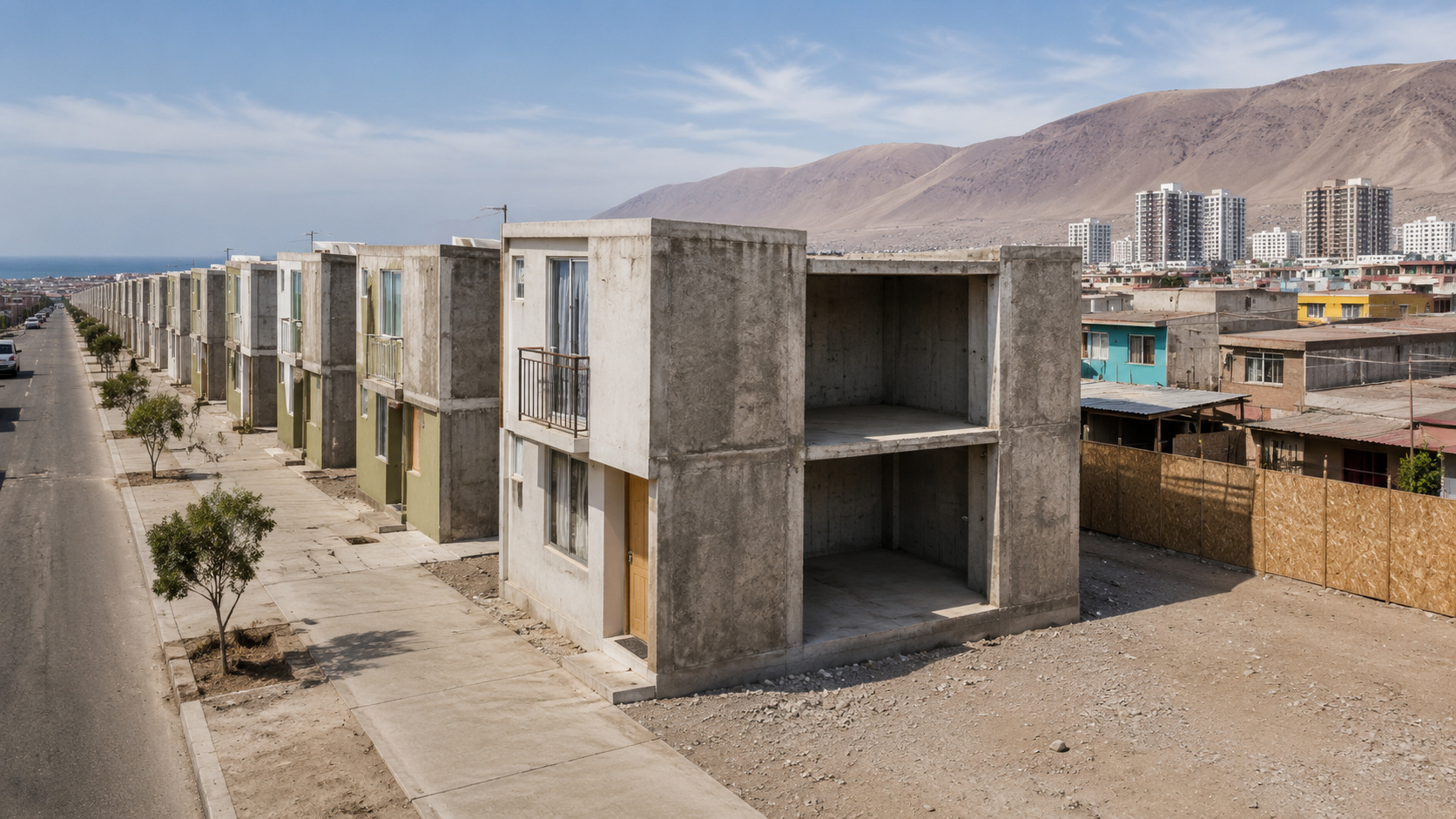
Instead of sending families far from the city, a project in Chile intentionally created incomplete houses on expensive urban land and left technical space for each to grow.
-
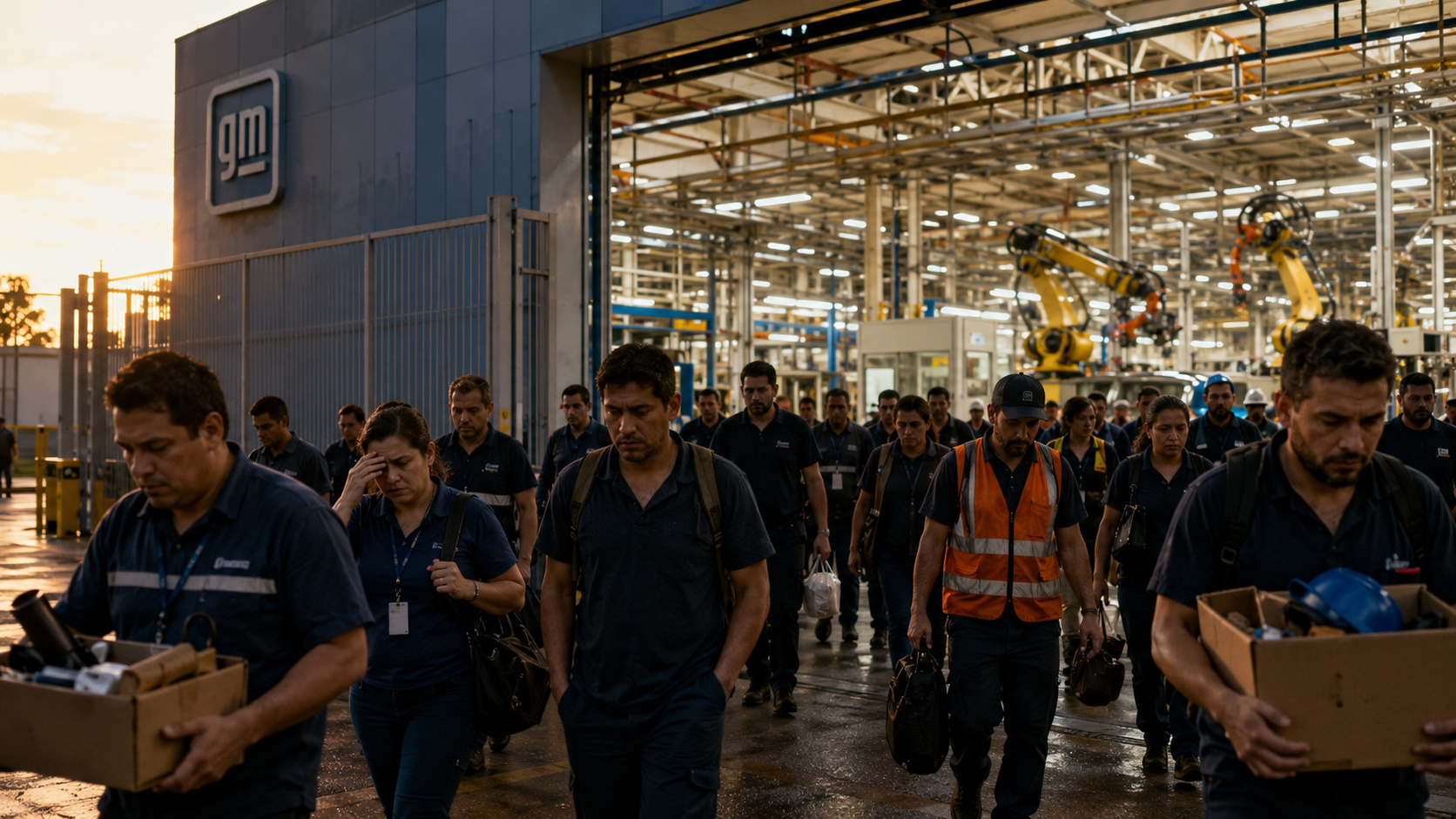
General Motors Replaces Over a Thousand Workers with 50 Cobots at Electric Vehicle Plant, UAW Union Criticizes Move Amid Industry’s Automation Push

One of the main objectives of the mining company’s management is to promote social and environmental development in one of the regions with the lowest HDI in the State of Minas Gerais. For them, the project could bring significant benefits to the local population.
Furthermore, Sigma’s investment has attracted interest from other foreign companies in the region, which is beginning to be known as lithium valley. About 5 other competing mining companies from Brazil in the race for the mineral are investing R$1.5 billion in cities like Salinas and Araçuaí.
Governor of Minas Gerais Romeu Zema Highlights Some of the Advances Achieved with Sigma Mining Company’s Investment
According to him, during a visit to the facilities, one can observe a significant improvement in the lives of rural residents, as well as social advancements, such as women’s empowerment. Still according to the Governor of Minas Gerais: “Actions like these come to put an end to this situation of uncertainty and insecurity,” referring to the difficulties faced by the rural population, who live in inadequate conditions both on their small rural properties and during the times they decide to migrate to the cities.
Zema also highlighted other projects by the mining company in the region, such as the “Dona de Mim” program, created in partnership with the organization Mulheres do Brasil, which allows loans of up to R$2,000 and has already assisted hundreds of women entrepreneurs. There is also the Seca Zero program, through which farmers in the region benefited from the construction of 2,000 rainwater harvesting reservoirs.
According to state authorities, alignment with the company is necessary to strengthen the Social Development Program of Minas Gerais.