






 Portuguese
  Spanish


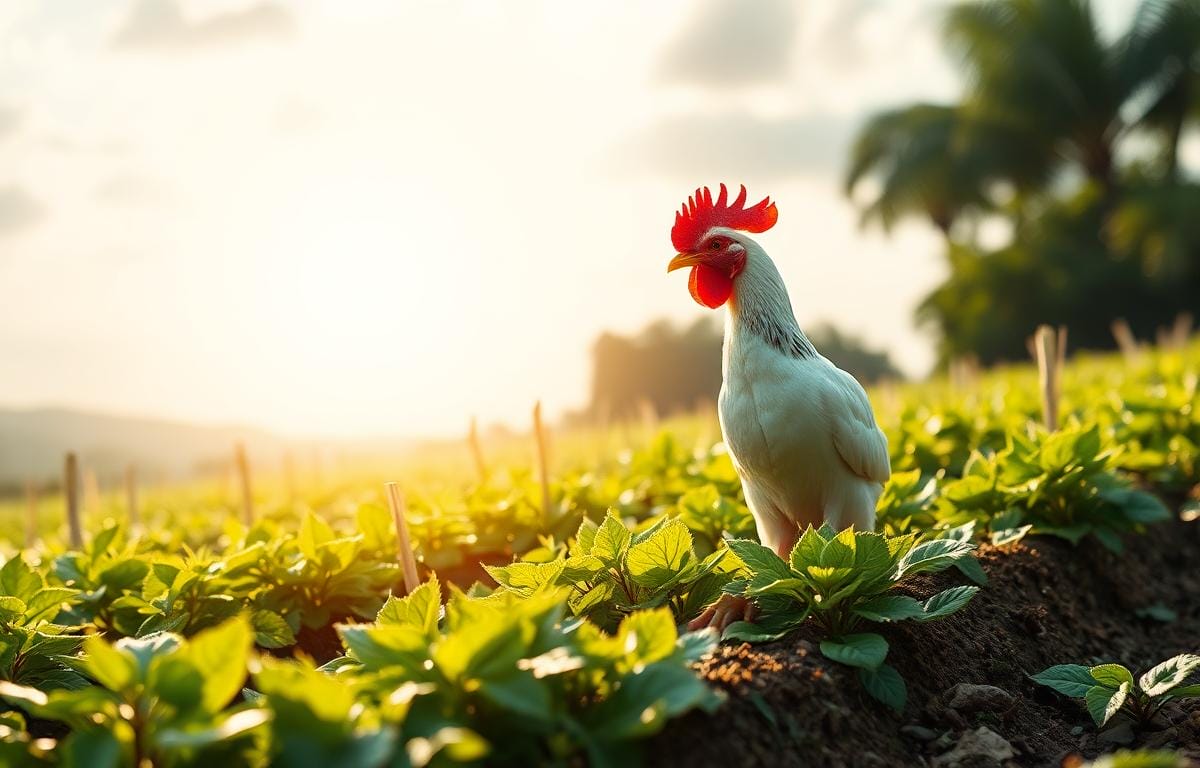
Productive Backyards Drive Income Generation and Food Security in MG, Promoting Sustainable Development Through Poultry and Horticulture.
In recent years, the collaboration between Minerva Foods and Elera Renováveis has strengthened the pursuit of the long-desired sustainable development. By joining forces, these giants of the food and energy sectors have made significant advances in the communities of Minas Gerais. This synergy not only promoted sustainability but also powerfully and innovatively boosted regional economic growth.
The efforts of the two companies materialized through the project ‘Productive Backyards’. This project aims, above all, to foster sustainable development and ensure that the local population has new opportunities for income generation. By implementing practices such as poultry and horticulture, they enabled a new economic dynamic, developing assertive strategies that involve not only the environment but also the local economic structure.
Strategic Partnerships and Sustainable Initiatives: A Detailed Look
In April 2024, both companies decided to intensify efforts and expand the ‘Productive Backyards’, leading to an even deeper social impact. This date marked a crucial point, where the focus on food security evolved into a more comprehensive model of development. Partnerships with local communities were essential, creating a virtuous circle of mutual benefits.
-
Green Roofs on Homes Gain Popularity for Reducing Heat, Noise, and Rain Impact in Brazil

-
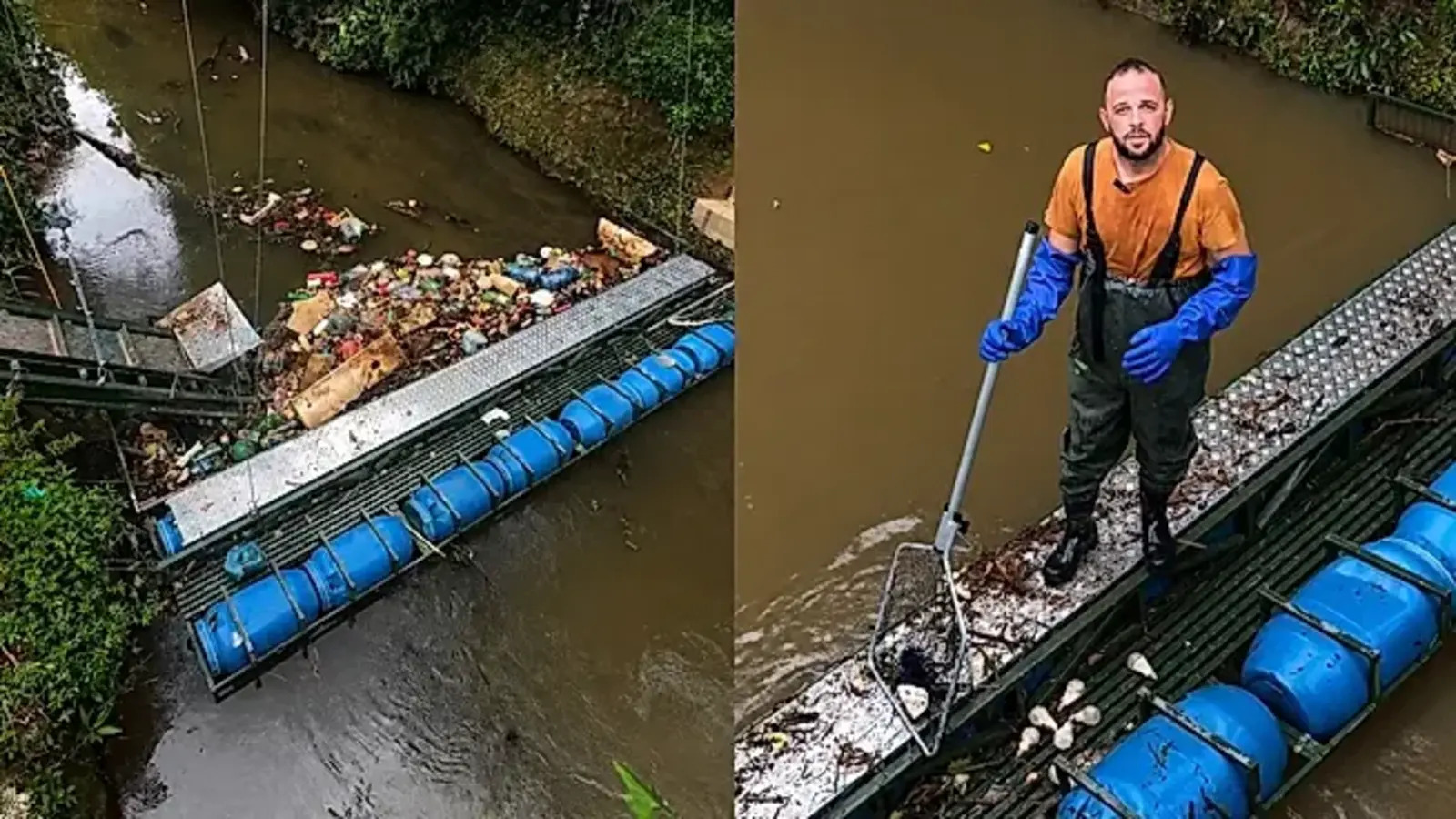
Brazilian promises his children to save a river, creates an eco-barrier in his backyard, has already removed more than 40 tons of trash from the water, and even inspires the idea in other states of the country.

-
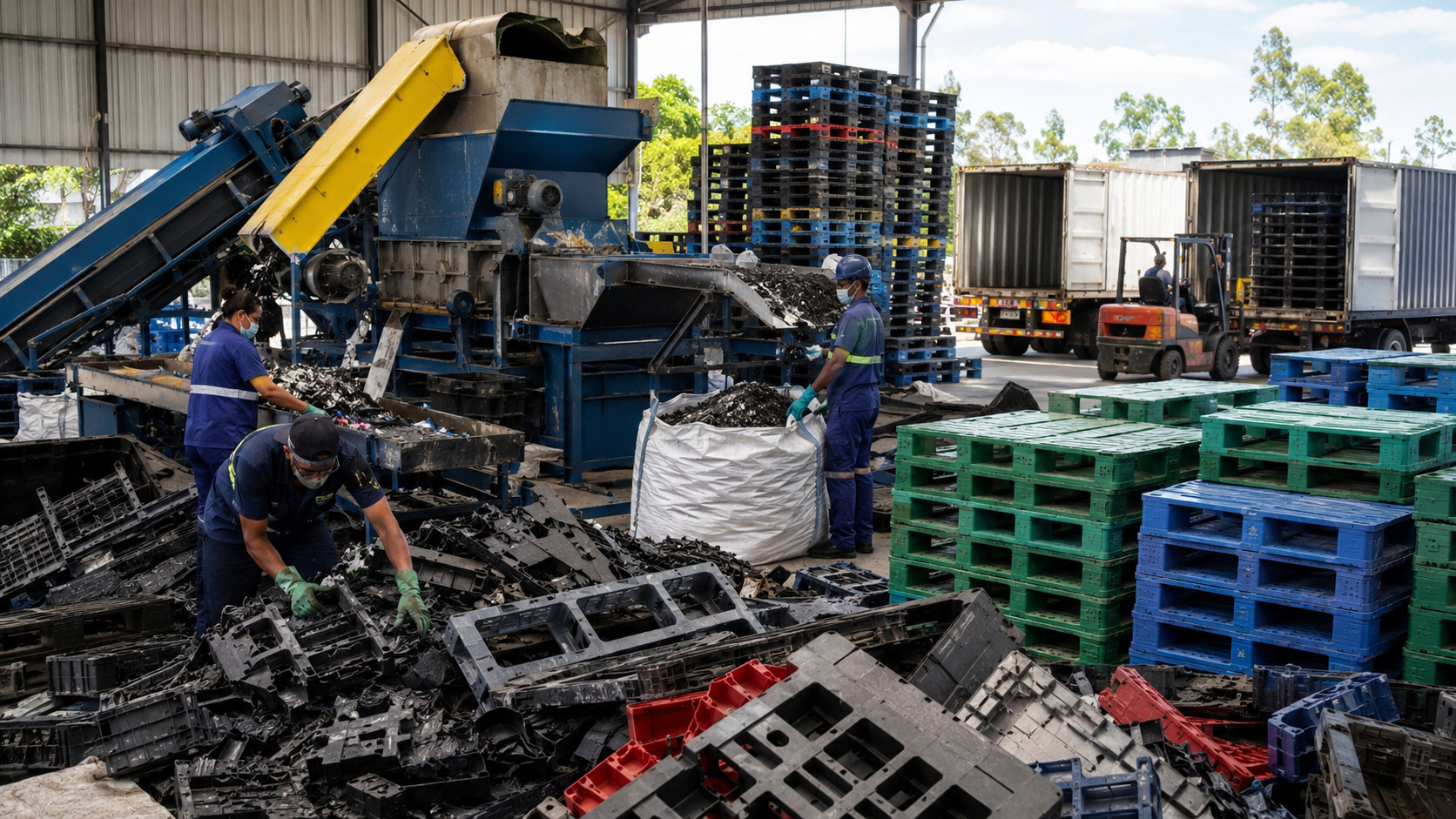
How a Brazilian company created a system that transforms broken pallets of any brand into new assets, recycles 80 tons of plastic per month, and found a profitable solution to a problem that challenges industries across the country.
-
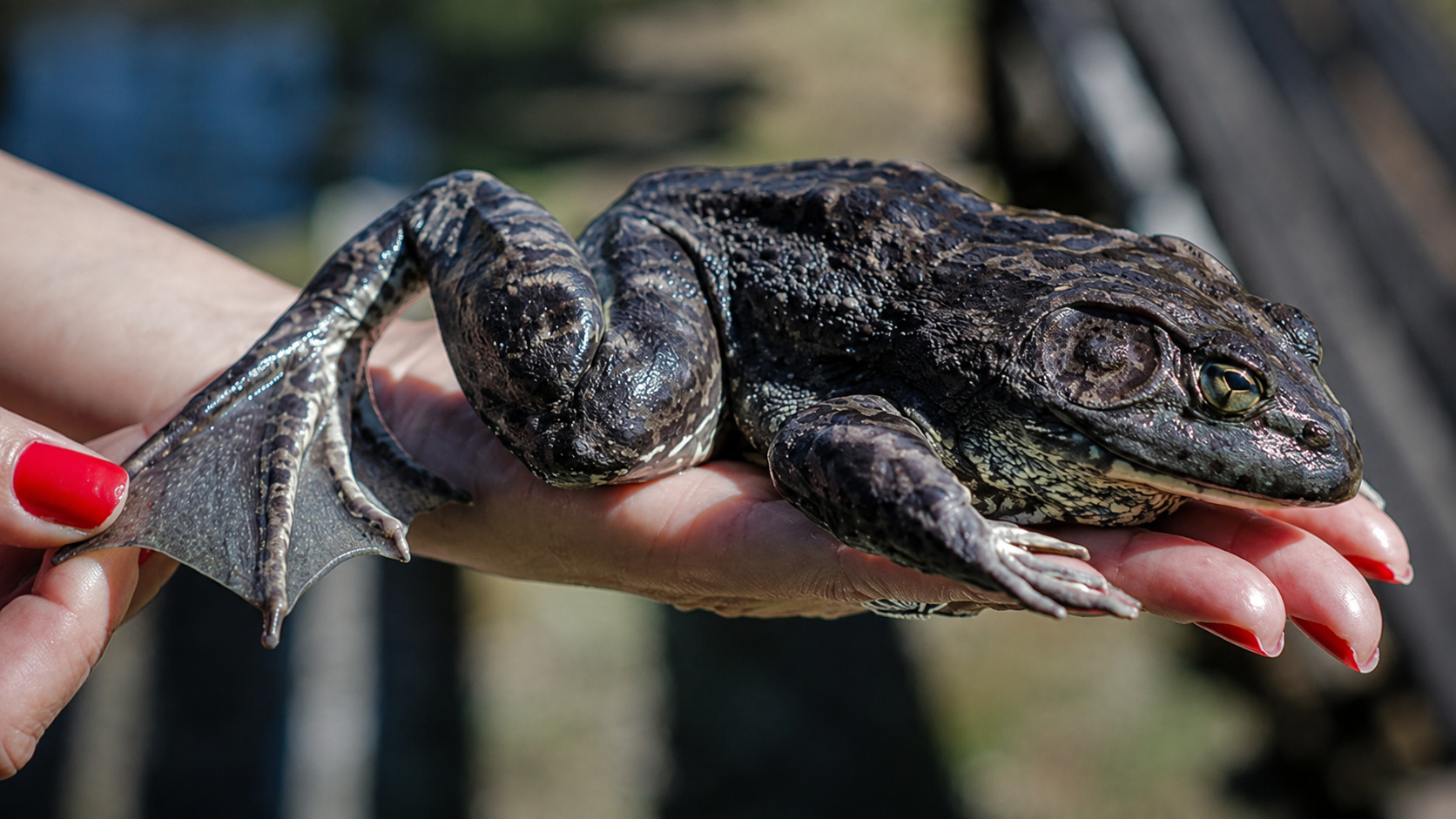
Invasive bullfrog capable of devouring other amphibians and laying up to 20,000 eggs is found in Florianópolis, raising an alert about the threat to native fauna.

The Sustainable Development Goals served as a guide for each step taken. Each productive backyard was not only a production space; it became an ecosystem of learning, encouraging better agricultural practices. Thus, the local population obtained significant training and resources, resulting in a substantial increase in quality of life.
With these approaches, the initiative not only addresses economic aspects but also drives sustainability. Economic growth occurs harmoniously with the environment, where respect for nature and innovation go hand in hand. Elera Renováveis and Minerva Foods show that, together, it is possible to walk a path where sustainable development becomes a reality and not just a distant goal.
Renowned names like Carlos Alvarenga, CEO of Elera Renováveis, and Renata Silva, Director of Social Responsibility at Minerva Foods, have been key players in this success. They emphasize that the continuity of this partnership aligns with long-term visions, creating a solid foundation for future generations in the region. With dedication and innovation, the potential of these partnerships is only set to grow, promoting a sustainability that transforms lives.
In northern Minas Gerais, specifically in the Quem-Quem community in Janaúba, a project focused on horticulture and poultry is transforming the region.
Alignment with International Goals
The ‘Productive Backyards‘ project, which is in compliance with the Sustainable Development Goals (SDGs) of the UN, focuses particularly on SDG 8, which addresses Decent Work and Economic Growth, and SDG 17, which relates to Partnerships and Means of Implementation. This initiative is promoting sustainable development by productively including the community and encouraging collaboration between companies and locals. The project empowers residents in sustainable poultry and vegetable production practices, highlighting the importance of effective water use and the sustainable management of available resources, making community backyards more productive and profitable.
Strategic Interventions
The project has not only established 23 backyards with significant improvements but also set up two gardens that include fish farming tanks, 17 poultry houses, and executed four strategic interventions to adapt and enhance existing structures. Elements such as micro-sprinkler irrigation systems and rainwater harvesting systems were particularly highlighted. Additionally, 950 vaccinated birds were distributed, along with technical instructions to ensure proper management.
Empowerment and Training
Participants – with a notable representation of women – also benefited from training courses in their chosen areas, poultry or horticulture, aimed at enhancing the project’s benefits. The conclusion of these courses culminated in the delivery of certificates recognizing the dedication and learning of those involved.
Social and Economic Impact
The ‘Productive Backyards’ initiative has brought a new perspective to the Quem-Quem community by facilitating income generation and ensuring stronger food security. This action reflects Minerva Foods’ commitment to making a positive impact in the regions where it operates, integrating sustainable development as a foundation of its strategy, as highlighted by Marta Giannichi, Global Director of Sustainability at Minerva Foods.
Transformation and Partnerships
According to Tatiana Ricota, Sustainability Director at Elera Renováveis, these initiatives are powerful in their ability to impact the community and the families involved, promoting socioeconomic development that respects the cultural identity of the region. Elera sees it as a privilege to support projects like this that change realities and are essential for the autonomous progress of communities.
Future Sustainable Commitments
Minerva Foods, which has operated an industrial unit in the city since 2014, and Elera, which manages the Janaúba Solar Complex – the largest in the Americas and the Southern Hemisphere – announced for 2024 a partnership that involves self-production of energy. A portion of the energy consumption of Minerva’s operations in Brazil will be supplied by one of the plants of the Janaúba Solar Complex, thus reinforcing the commitment to using electricity from renewable sources.
Source: Elera Renováveis Press







Be the first to react!